
Travel writing based on first-hand experience
We’re standing in front of the suitcase like it’s a philosophical problem: How to dress in Saudi Arabia as a tourist? And the bigger question hiding behind it—do we really need an abaya? Let’s make this simple, practical, and respectful.
Planning more Saudi Arabia adventures? Read these next
Table of Contents
How To Dress In Saudi Arabia As A Tourist?
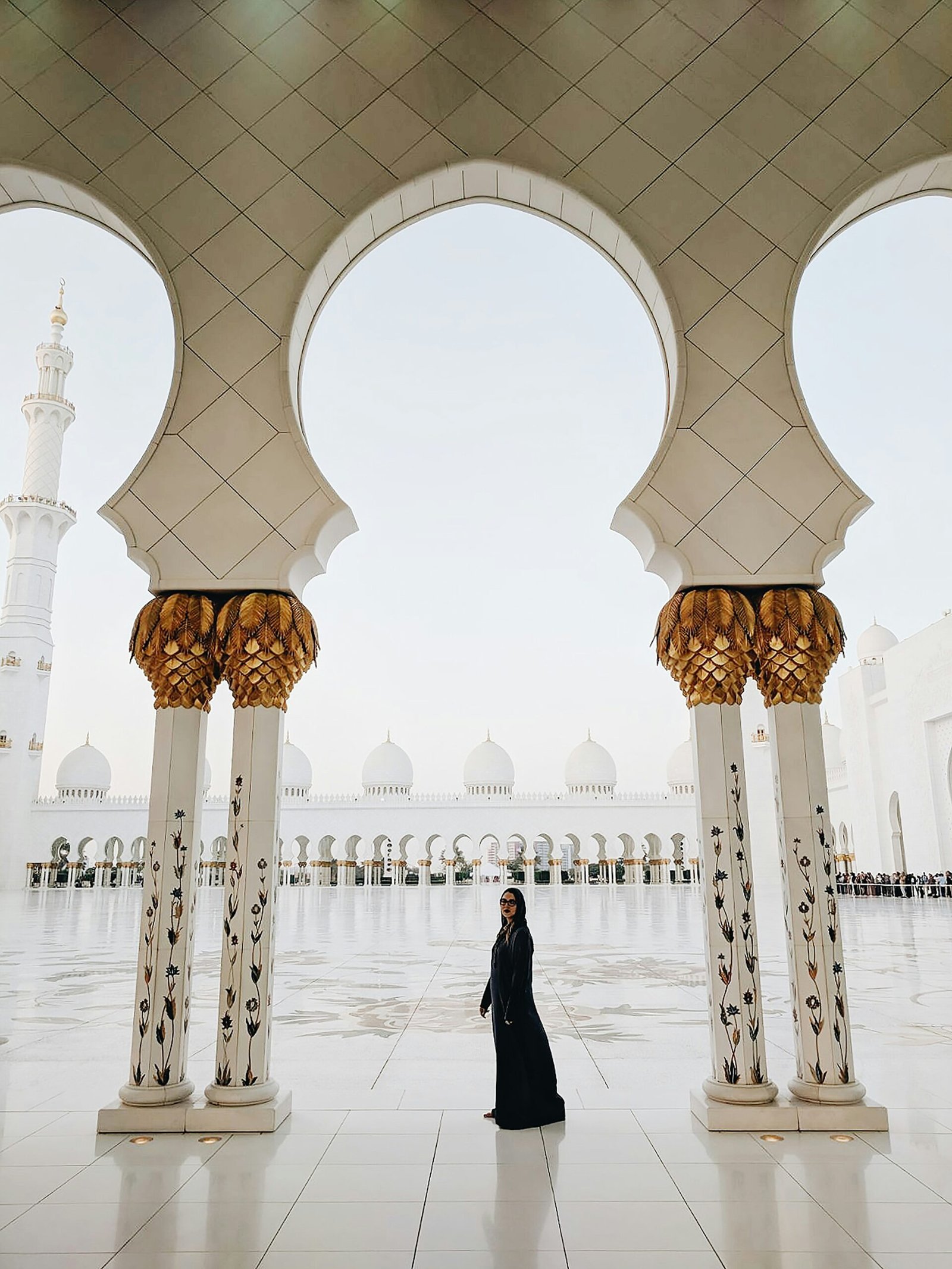
Saudi Arabia’s dress code gets talked about like it’s written on stone tablets—but in reality, it’s become much more flexible.
The abaya (that classic long, open cloak) is a traditional Saudi garment, but it’s no longer mandatory, even for Saudi women. So yes, you can dress in a Western style—just keep it modest and non-revealing.
What usually works everywhere:
- Loose trousers (wide-leg, linen, cargos—anything not skin-tight)
- A long skirt or midi/maxi dress
- A T-shirt or top with sleeves (three-quarter sleeves are a great “safe” option)
- Shoulders and knees covered as a general baseline
What to avoid (especially if you don’t want attention):
- Tight-fitting outfits (leggings-as-pants, bodycon dresses)
- Low necklines, crop tops, backless tops
- Very short skirts/shorts
- Sheer fabrics without layering
Do we change outfits depending on where we are?
Yes—and this is the real travel hack. We dress for the vibe of the place, not just the weather.
Big cities: Riyadh & Jeddah
In major cities like Riyadh and Jeddah, women can dress in Western clothes without issues—as long as you keep it respectful:
- Cover shoulders
- Cover knees
- Keep silhouettes relaxed, not clingy
Think “smart modest”: the kind of outfit you’d wear to a nice café where you might run into your future in-laws.
Rural areas & traditional towns

This is where the abaya becomes useful—not because it’s required, but because it’s a smooth social shortcut.
In smaller villages, wearing an abaya over your clothes can feel like the easiest way to blend in and avoid causing offense. We can wear it like a long vest over pants and a top—simple to take on and off depending on the situation.
And in very remote, conservative villages, you might feel more comfortable adding a light headscarf (not tightly wrapped, not dramatic—just a simple cover). It’s not compulsory, but it can be a quiet sign of respect.
And honestly? That’s part of travel. We’re not there to “correct” culture—we’re there to understand it.
Can women wear a swimsuit in Saudi Arabia?
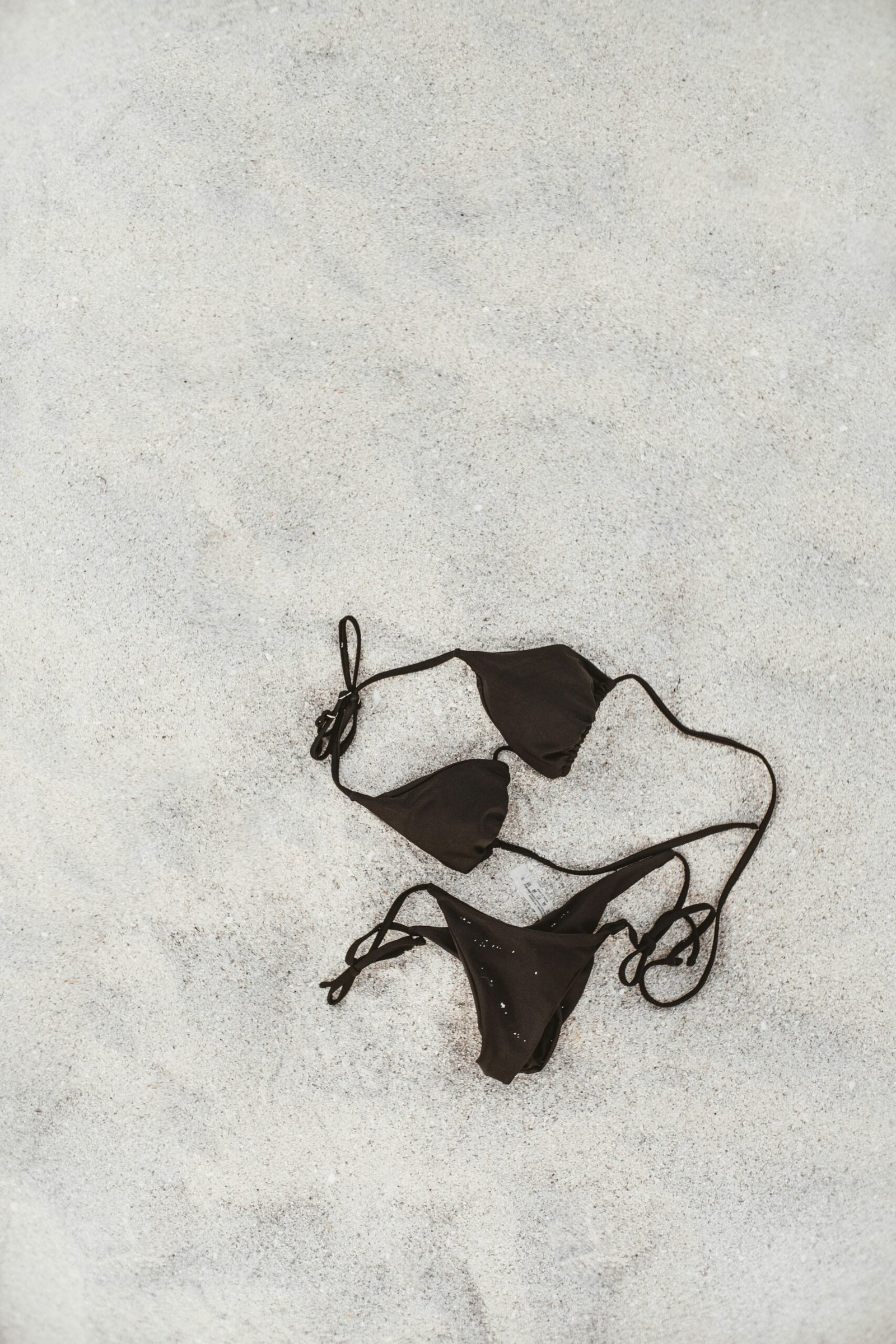
Swimwear is where things get… location-dependent.
Private beaches
There are private beaches where women (including Saudi women) may swim in bikinis. In places like Jeddah, some private beaches allow bikinis even in mixed-gender areas.
Public beaches
Public beaches are more conservative. A burkini is usually the safest option, or swimming in loose clothes.
Hotel pools
Hotel pool rules vary:
- Some pools are mixed-gender, but that’s not the default
- Many places have separate swimming times for men and women
If you care about wearing a bikini, check the rules before you book, because policies can differ from one hotel to another.
Is the veil (hijab) mandatory in Saudi Arabia?
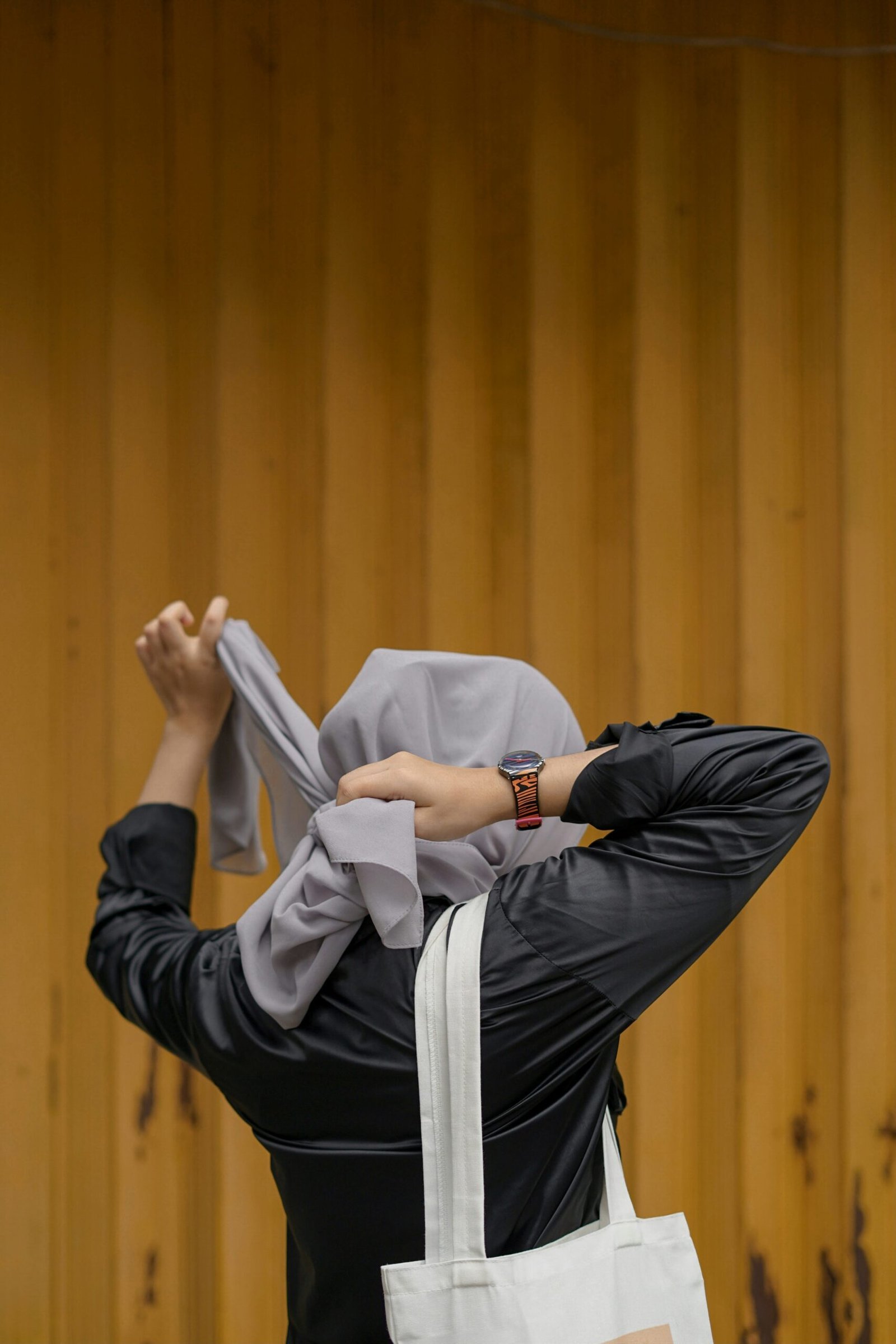
No—the hijab is not mandatory for Saudi women or tourists anymore, and you’ll see more Saudi women going without it in everyday life.
That said, in conservative areas, wearing a light scarf can sometimes make you feel more comfortable and help interactions go more smoothly. People often appreciate the effort, and it can make it easier to connect respectfully.
Is a headscarf mandatory in mosques?

Yes—when visiting mosques (as in many Muslim places of worship), women are expected to cover their hair. This applies to tourists too.
The good news: you don’t need “full religious attire.” A simple headscarf is enough, paired with modest clothing (long sleeves, long trousers/skirt, and covered shoulders).
Our simple packing cheat sheet
If you want a no-stress Saudi wardrobe, pack:
- 1 lightweight abaya (as a layer, not a uniform)
- 1–2 long, loose trousers
- 1 maxi skirt or long dress
- 2–3 loose tops with sleeves
- 1 scarf (mosques + traditional areas + wind + dust = useful anyway)
- Swim plan: burkini or modest set unless you’re sure you’ll be using private beaches/hotel pools that allow bikinis
What about men?
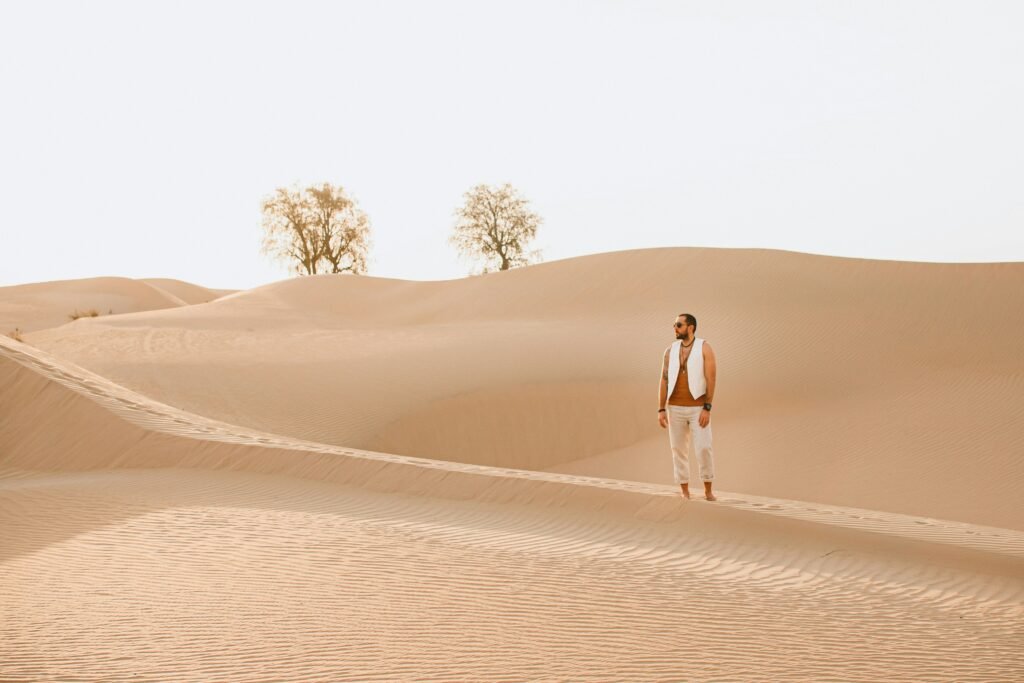
Men can absolutely wear Western clothing, but the golden rule is the same: keep it modest and public-appropriate.
What usually works (and keeps you off everyone’s radar):
- T-shirts or shirts (short sleeves are fine)
- Lightweight long trousers (especially handy in heat + sun)
- Knee-length shorts (in many city settings) if they’re not too sporty/skimpy
- Closed shoes or sandals—both common, depending on where you are
What to avoid in public:
- Very short shorts
- Tank tops / sleeveless tops
- Anything that looks like beachwear or gym wear outside the beach/gym
- Clothing that’s overly tight or see-through (yes, men too)
Do men need to cover up more in certain places?
Yep—just like everywhere, context matters.
Mosques and religious sites
In mosques (and other conservative religious settings), men should wear clothing that covers:
- legs (trousers are safest)
- arms (at least sleeves—short sleeves may be acceptable in some places, but long sleeves are the respectful default)
And remember: even when rules aren’t aggressively enforced, locals notice effort. A simple, modest outfit is usually appreciated—and it makes the whole trip feel smoother, like we’re traveling with the culture, not bumping into it.
- How To Dress In Saudi Arabia As A Tourist in 2026
- Al Ula Saudi Arabia Guide (2026): Top Sights, Best Eats, and Stunning Stays

- The Best Things to Buy in Saudi Arabia in 2026 (That You Can’t Find Anywhere Else)

- Best Restaurants in Mecca – Halal Eats You Can’t Miss in 2026

- 8 Best Cafes in Mecca: Top Spots to Relax and Refuel in 2026