
Travel writing based on first-hand experience
How about diving into some culture, soaking up the sun, and experiencing something totally new? Plan the perfect North Morocco itinerary with stops in Tangier, Chefchaouen, Tetouan, and Asilah. Explore medinas, mountains, and seaside towns in just one magical week. This adventure is all about immersing yourself in the rich Moroccan culture and uncovering its treasures. And the food? It’s a feast for your taste buds! Prepare for a two-week adventure in Northern Morocco, ready to warmly welcome you.
Here’s a little preview of the highlights of this journey:
- Enjoy Mint Tea with a View at Café Hafa in Tangier
- Relax at Café Hafa, enjoying a mint tea while looking out over Tangier.
- Explore Tetouan’s Historic Medina
- Wander through the old, narrow streets of Tetouan’s historic Medina, recognized by UNESCO.
- Taste Chefchaouen’s Food on a Tour
- Go on a food tour in Chefchaouen, the blue city, to try different local dishes.
- See Craftsmanship in Fez
- In Fez, watch artisans work with leather, metal, and wood, showing off their skills.
- Visit Ancient Roman Ruins Near Meknes
- Explore the ancient Roman ruins at Volubilis near Meknes, stepping back in time.
- Relax at Café Maure in Rabat
- Sit back and relax on the terrace of Café Maure in Rabat, enjoying the calm atmosphere.
Planning more stops around North Morocco? Read these next
Table of Contents
North Morocco Itinerary
Route: Tangier > Tetouan > Chefchaouen > Fez > Meknes > Rabat
Some practical information before your itinerary in Morocco
Northern Morocco is one of the best regions for a varied Moroccan road trip: sea views, blue-painted mountain towns, imperial cities, peaceful riads, Roman ruins, beaches, souks, and enough mint tea to keep us happily over-caffeinated for two weeks. This itinerary works especially well if you want a Morocco trip that is rich in culture but not only focused on Marrakech and the desert.
The most comfortable months for this route are generally May to October, when the weather is warmer, rainfall is lower, and the coast is pleasant enough for beach stops. Spring and early autumn are especially good if you want sightseeing weather without feeling like you are being gently grilled by the sun.
Food is a major part of the journey, so do not stop at couscous and tagines, excellent though they are. Try briouates, the crispy triangular pastries filled with savory ingredients like meat, fish, or vegetables, or sweet versions with toasted almonds, orange blossom, and cinnamon. Harira, a rich soup made with chickpeas, lentils, tomatoes, and spices, is another must-try, especially if you want something warming and deeply satisfying. And when you eventually reach Marrakech on another trip, make room for tanjia, a slow-cooked meat dish flavored with lemon and spices and prepared in the clay pot that gives it its name.
Step 1: Tangier
Recommended stay: 2 days
What to do in Tangier?
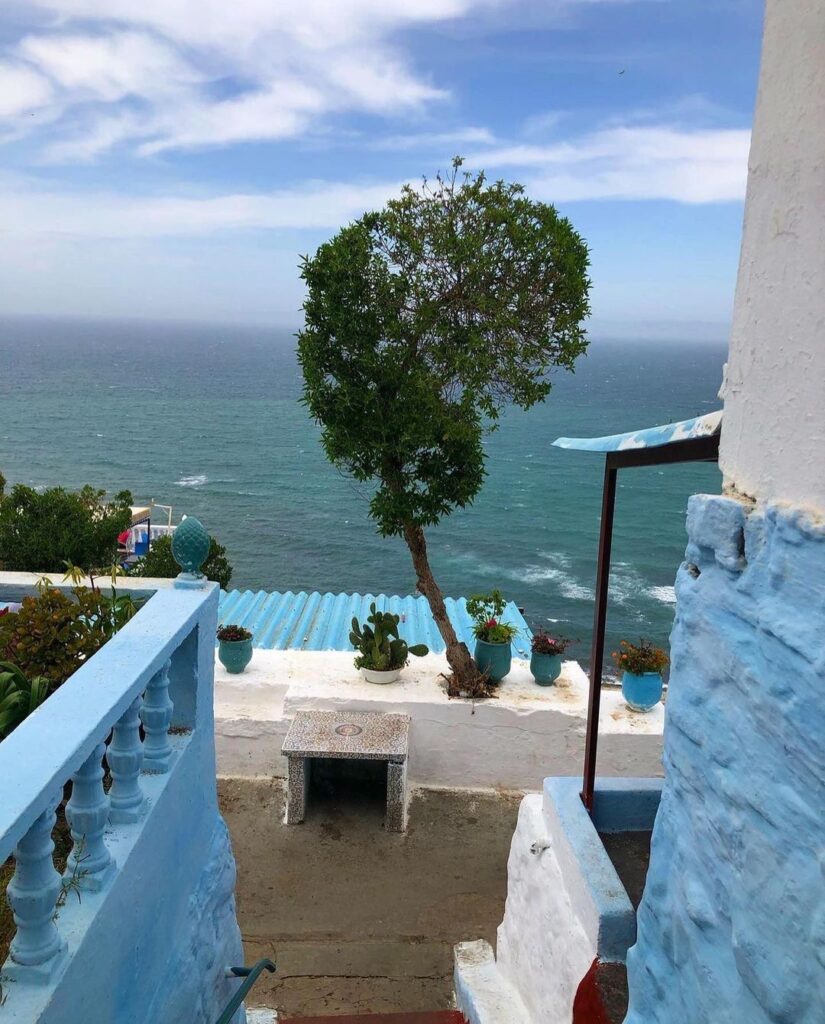
Tangier is the perfect opening act for a North Morocco itinerary. Sitting between Europe and Africa, and between the Atlantic Ocean and the Mediterranean Sea, it has that slightly cinematic border-city feeling: sea air, whitewashed streets, old cafés, port views, and a medina that seems to tilt between continents.
Start your two-week Northern Morocco route by wandering through the bright white lanes of the Medina. This is the best way to get your bearings, adjust to the pace, and begin the trip properly: slowly, curiously, and with at least one stop for mint tea.
From there, head up to the Kasbah, the historic heart of Tangier, where you can look out over the harbor and see why this city has attracted travelers, writers, artists, and general romantics-with-notebooks for so long.
For one of Tangier’s most iconic breaks, make your way to Café Hafa. Order mint tea, settle into the terraces, and enjoy the same sea views that once drew the Beatles and the Rolling Stones. Is that a slightly overused travel fact? Yes. Are we still going to enjoy it? Absolutely.
To go deeper into Tangier’s history, visit Dar el Makhzen, the former sultan’s palace. Its architecture, courtyards, and historic atmosphere make it a strong cultural stop before you escape the city for the coast.
About 12 km from the center, the Hercules Caves are one of Tangier’s classic excursions. The caves are linked to legends of Hercules, but the most famous feature is the sea opening shaped like the African continent. Yes, it is touristy. Yes, you should still take the photo.
Near the caves, Achakkar Beach is a good place to slow down for a while, especially if you want a softer first day before the itinerary becomes a proud little parade of medinas, mountains, and monuments.
Continue to Cape Spartel, where the Mediterranean and Atlantic meet. The viewpoint is one of the most beautiful around Tangier, and it gives the trip a properly dramatic “edge of the map” moment.
Finally, if Tangier starts to feel too busy, escape to Perdicaris Park. It is a calm, green place for a walk, with enough shade and sea air to make you feel briefly like your itinerary is very balanced and sensible.
What to do around Tangier?
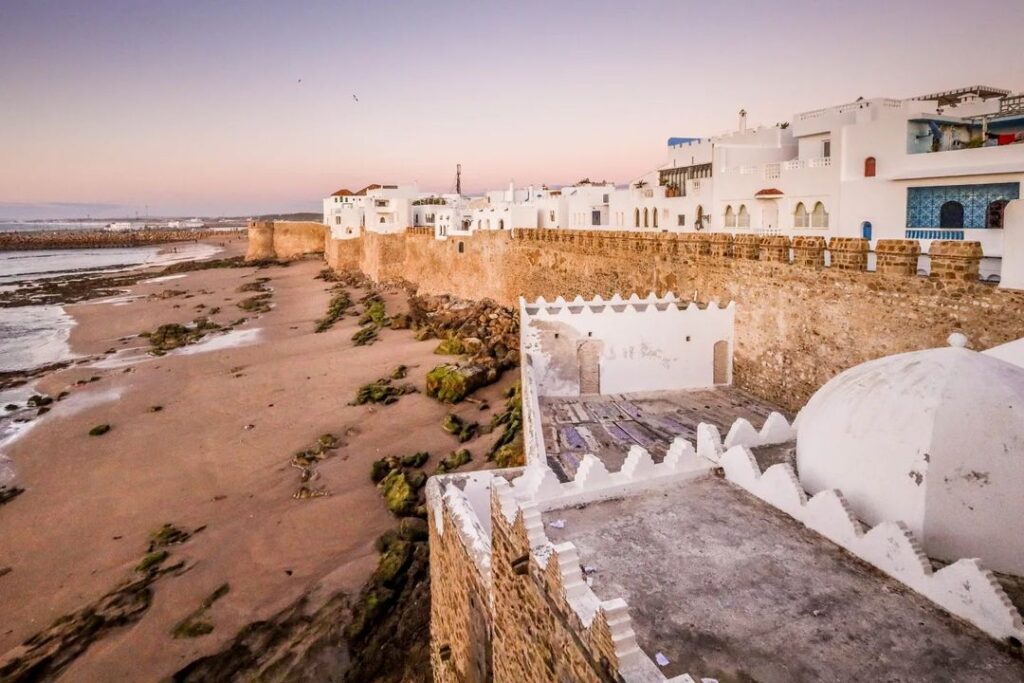
If you have time for a day trip from Tangier, go to Asilah, a small port town about 46 km south of Tangier. Often called the pearl of Morocco, Asilah is known for its white medina, colorful murals, ocean-facing ramparts, and quieter atmosphere. It is an easy, beautiful side trip if you want coastal charm without the full Tangier bustle.
Where to stay in Tangier?
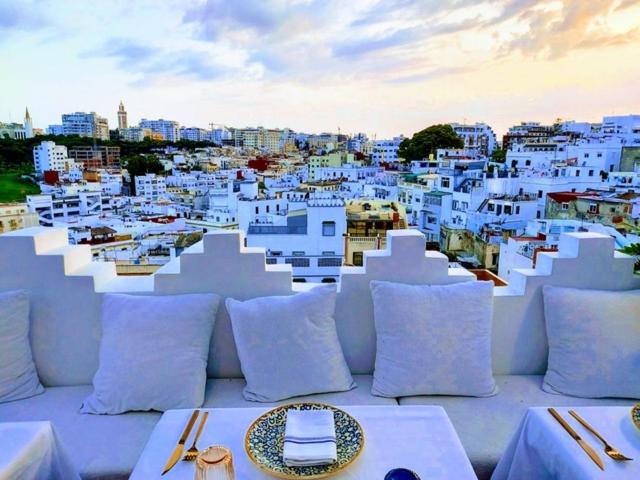
For a comfortable mid-range stay, Dar Nour is a lovely choice in the heart of Tangier’s medina. It has warm riad-style decor, a welcoming atmosphere, and a terrace with sweeping views over the medina and toward the ocean.
For something more luxurious, La Maison de Tanger is a polished option with traditional decor, comfortable rooms, a terrace, a swimming pool, good food, and beautiful views. If you prefer to stay closer to the sea, Marina Bay is another strong option, with an outdoor pool and a more seaside-focused setting.
Step 2: Tetouan
Recommended stay: 2 days
What to do in Tetouan?
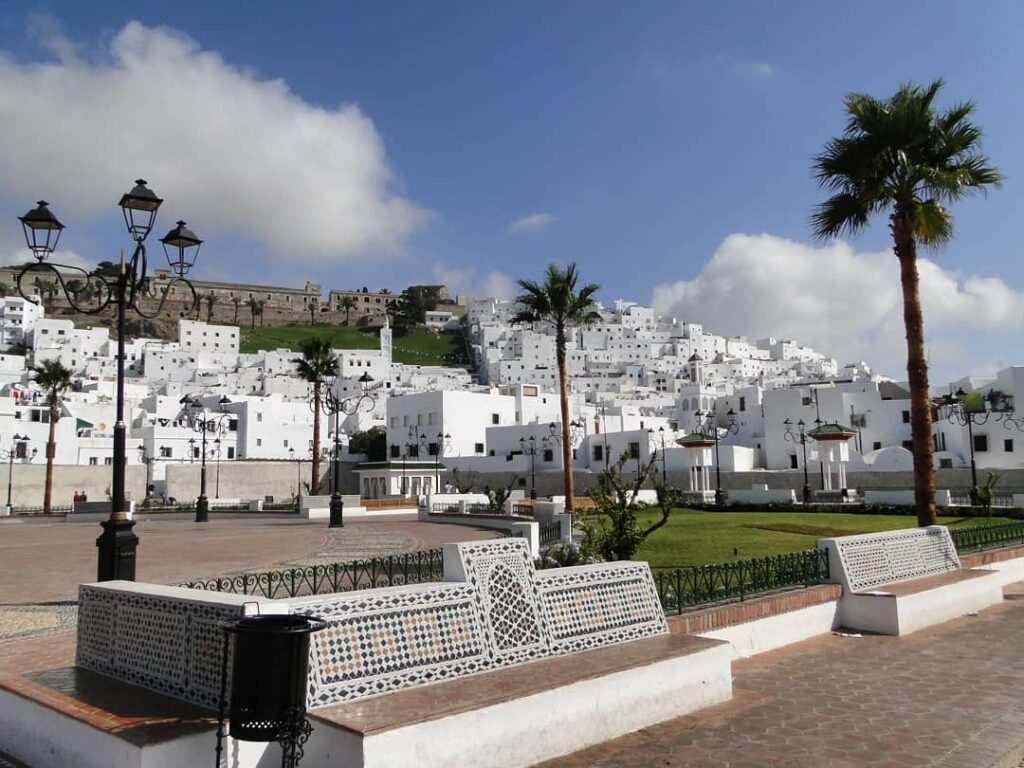
Tetouan is a graceful pause between Tangier and the Rif Mountains. Often called the “white city,” it combines Andalusian influence, a UNESCO-listed medina, local markets, mountain views, and easy access to beaches. It is less famous than Chefchaouen or Fez, which is exactly why it deserves a stop on this North Morocco itinerary.
Begin in Tetouan’s Medina, a UNESCO-listed maze full of movement, daily life, and traditional craft atmosphere. Compared with Morocco’s more intense medinas, Tetouan feels slightly softer and more local, which makes it rewarding to explore without rushing.
Continue into the Mellah, the historic Jewish quarter, where the architecture and atmosphere shift and you get another layer of the city’s history. Tetouan is not a place to tick off quickly; it works best when you wander, look up, and let the details do their thing.
You can also see the Mosque from the outside, though entry is restricted to Muslims only. Even from the exterior, it helps you understand the rhythm and structure of the old city.
If you enjoy art, visit The Tetouan Center of Modern Art. Housed in the former railway station, it adds a different kind of cultural stop to the route and shows a more contemporary side of the city.
For one of the best views of Tetouan, head to Feddan Park. From here, the white city spreads across the hills in a way that makes the nickname suddenly feel very literal.
Before leaving, make time for the Dar el Oddi Cultural Center, set inside the traditional El Oddi family house. Its old posters, stamps, city documents, and artworks make it an interesting stop, but the building itself is part of the pleasure.
What to do around Tetouan?
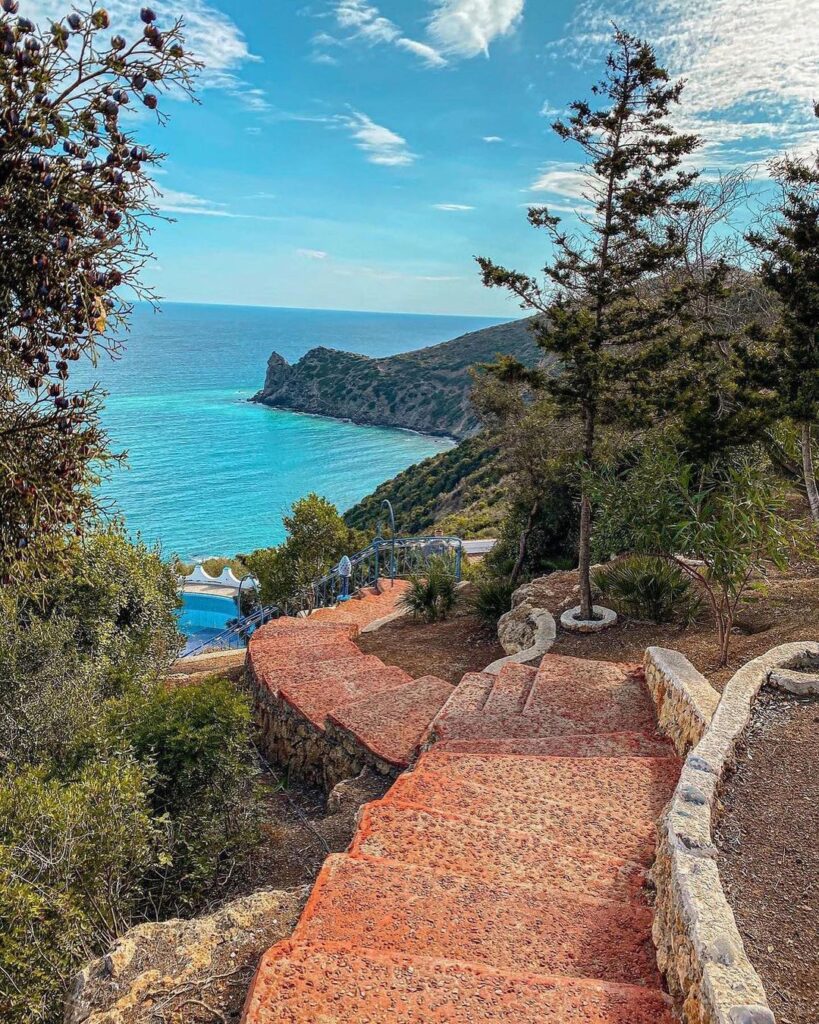
Just south of Tetouan, Aïn Zarka offers a refreshing nature escape with mountain scenery, swimming spots, and even a waterfall. It is a good option if you want to trade medina lanes for fresh air and hiking trails for a few hours.
If you are craving the sea, head toward Martil Beach or Cabo Negro Beach. For a more scenic coastal outing, follow the route toward Oued Lao, where coves, beaches, and small restaurants make the coastline feel more exploratory.
Where to stay in Tetouan?
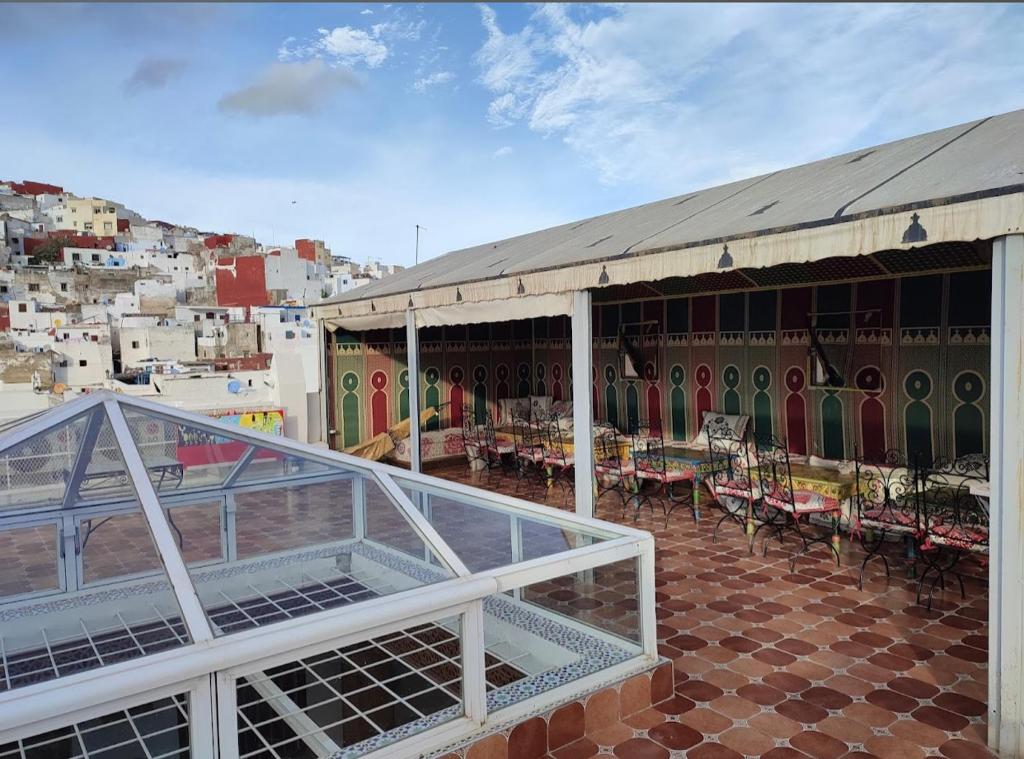
For a cozy and good-value stay, Las mil y una noches Tetuan is well placed for exploring the medina. It has an atmospheric riad feel, a central location, and enough charm to make it feel like part of the experience rather than just somewhere to sleep.
For more comfort, Dar Fama is a calm, polished option after busy sightseeing days. Expect clean rooms, a generous breakfast, helpful staff, and a quieter base for exploring Tetouan.
Step 3: Chefchaouen
Recommended stay: 3 days
What to do in Chefchaouen?
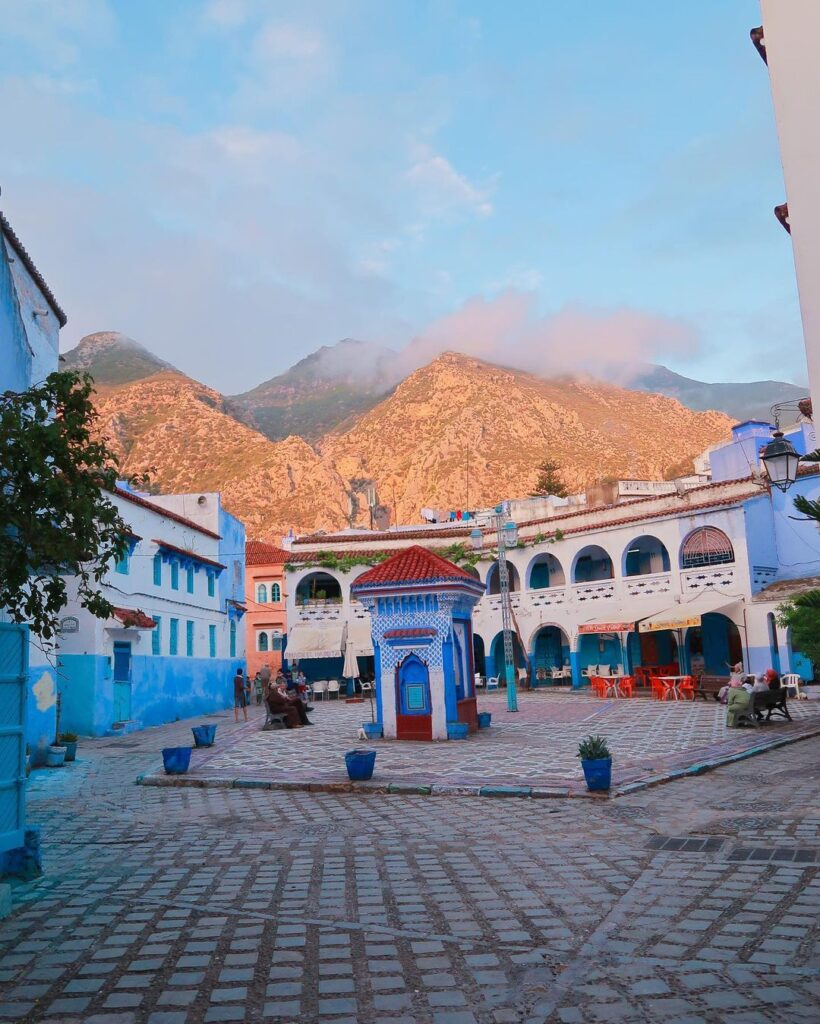
Chefchaouen is the blue mountain pause your North Morocco itinerary needs. Known for its blue-painted lanes, mountain backdrop, relaxed pace, and excellent food, it is beautiful in the obvious way — yes, the photos really do look like that — but it is also a great base for hiking and slow wandering.
Start in Chefchaouen’s old town, where the blue streets, stairways, doors, and corners are the main attraction. This is not a place to rush with a checklist. The whole point is to wander until you lose track of which alley was “the famous one,” because honestly, half of them look like they are auditioning for a postcard.
Make your way to Mohammed V Square and the central parts of town, then return to the quieter lanes for photos, small shops, and café stops. If you are in town on a Monday or Thursday morning, the market and souks add even more life to the city.
For sunset, take the lesser-known route up toward a viewpoint over Chefchaouen. Watching the light soften over the blue city is one of the best moments here, and it costs exactly the right amount: nothing, except a bit of uphill effort.
Back in town, visit the Kasbah and climb its tower for another beautiful view over the city and surrounding mountains. It is a compact but worthwhile stop that adds history to the otherwise very tempting “just photograph blue doors all day” plan.
When hunger appears — and it will, because stairs are secretly cardio — try local dishes at small restaurants. Bab Ssour is a good option for tasting regional flavors, or you can join a food tour if you want someone else to handle the ordering, explaining, and “what exactly is this delicious thing?” detective work.
What to do around Chefchaouen?
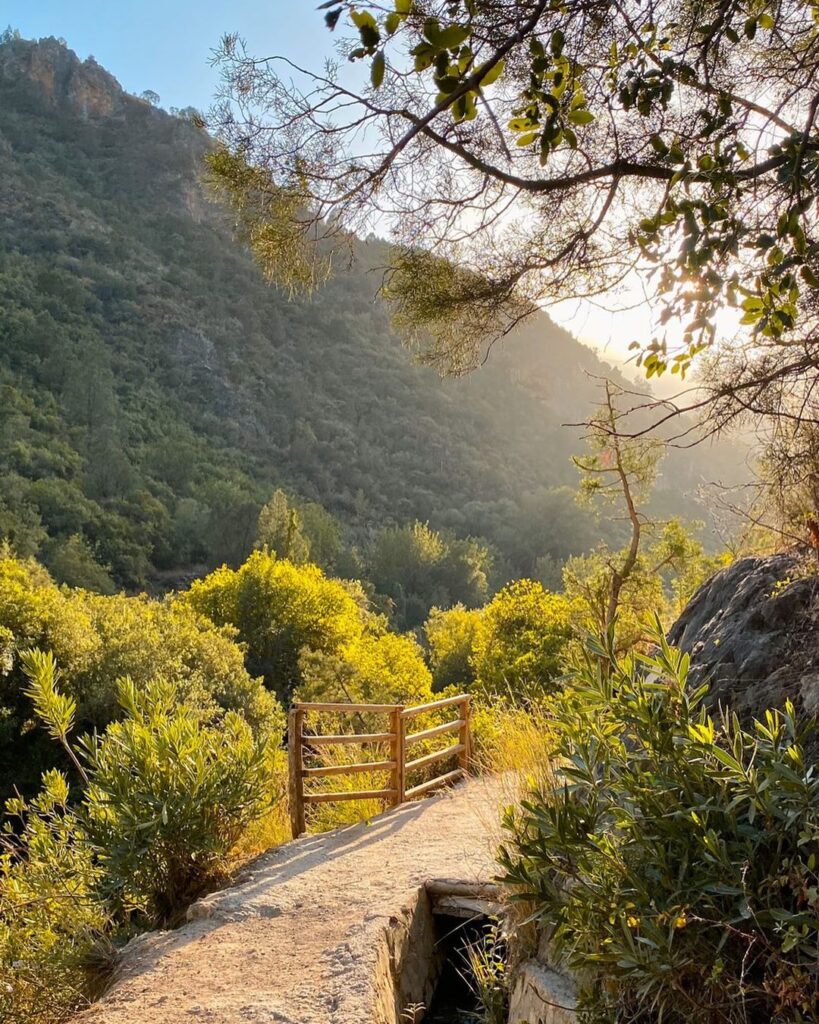
Just outside the old town, Ras el Ma is a simple but atmospheric stop where water flows down from the mountain. You may see locals washing clothes in the traditional way, and it gives you a small glimpse of everyday life beyond the blue-street photo trail.
For hiking and nature, Talassemtane National Park is one of the best places to explore near Chefchaouen. The landscape is rugged, green, and dramatic, making it a strong choice if your ideal Morocco itinerary includes more than cities and souks.
Another excellent nature trip is Akchour, known for its waterfalls and God’s Bridge, a natural rock bridge. It is ideal if you want hiking, mountain air, and the kind of scenery that makes you briefly forget your legs are tired.
Where to stay in Chefchaouen?
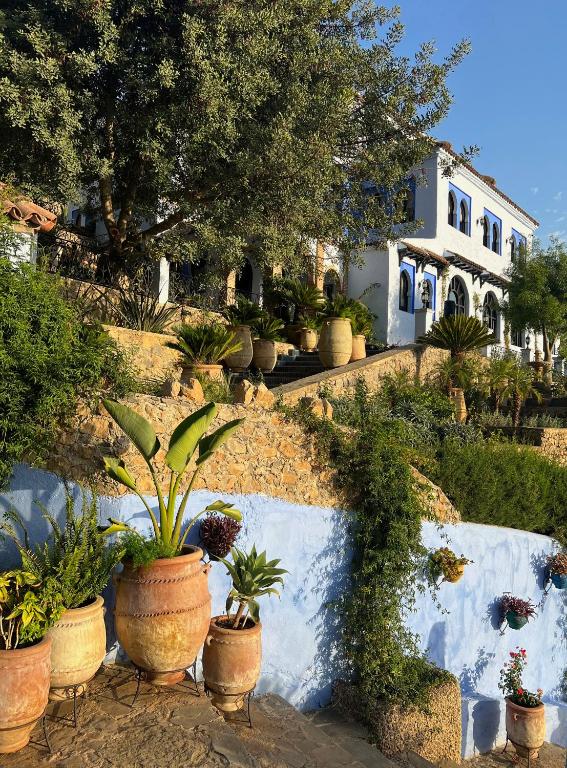
For a mid-range stay, Puerta Azul lets you stay close to Chefchaouen’s signature blue charm without going overboard on price. Rooms feature blue details, many have a patio or balcony, and the location near the kasbah keeps the main sights within easy reach.
For a more luxurious stay, Dar Jasmine is one of the standout options in Chefchaouen. It has sweeping views over the kasbah and blue city, comfortable rooms, a swimming pool, a terrace, and a strong restaurant — basically the place you book when you want your hotel to be part of the scenery, not just somewhere to drop your bag.
Step 4: Fez
Recommended stay: 3 days
What to do in Fez?
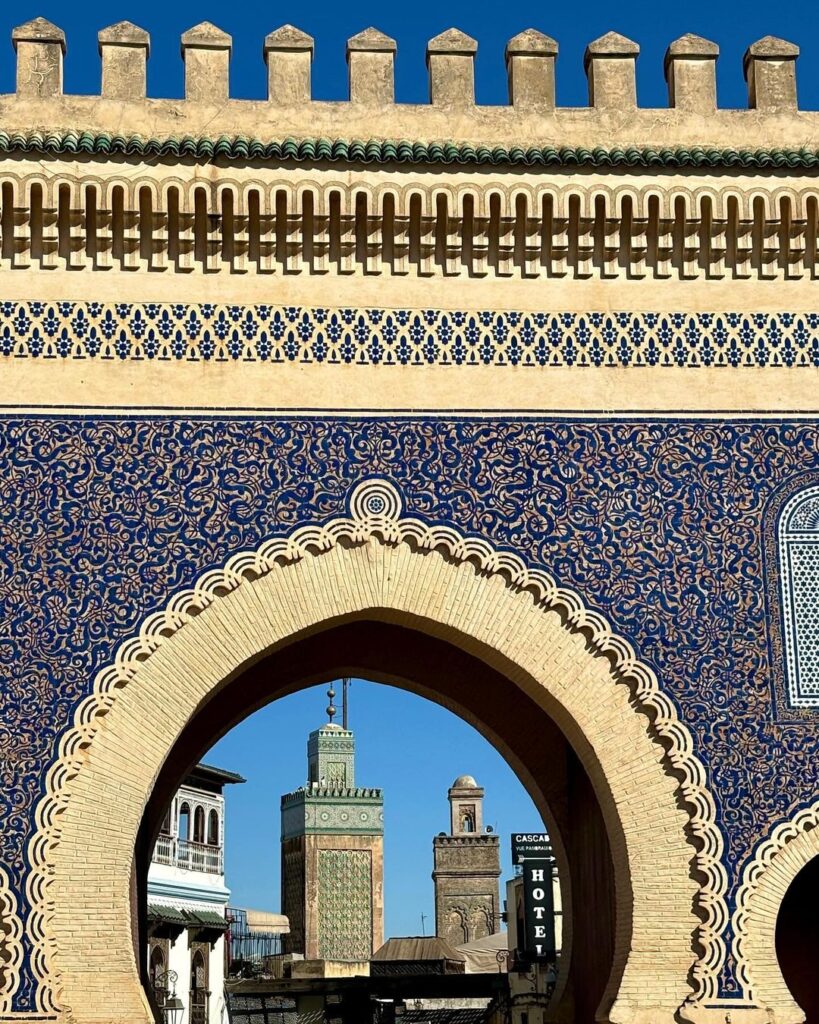
Fez is one of the most important cultural stops on this two-week North Morocco itinerary. Known for its tanneries, ancient medina, religious schools, artisan workshops, and historic architecture, it is intense, beautiful, confusing, and absolutely worth the effort. In other words: classic Morocco, no training wheels.
Start at Bab Boujloud, the famous blue gate, then enter the maze of Fez el-Bali. The medina is a dense world of narrow lanes, markets, workshops, food stalls, donkeys, doorways, and sudden architectural treasures. A guided tour is genuinely useful here, especially if you want to understand what you are seeing instead of simply rotating in circles while pretending this was your plan.
The tanneries are one of Fez’s most famous sights. They are fascinating, photogenic, and yes, famously smelly. Take the mint leaves if someone offers them; this is not the moment to be brave for no reason.
Although non-Muslims cannot enter the Kairaouine Mosque, its courtyard and exterior details are still remarkable. As part of one of the world’s oldest centers of learning, it is a key place for understanding Fez’s intellectual and spiritual importance.
At Place Seffarine, pause to watch coppersmiths working by hand. The sound of hammering metal, the glow of the copper, and the old workshop atmosphere make it one of those small Fez moments that feels more memorable than expected.
Do not miss the grand entrance of the Royal Palace, one of the most photogenic architectural stops in the city. Afterward, walk through the Mellah, where the buildings and balconies give the district a different visual style from the medina.
Back in the old city, stop by the Nejjarine Fountain, known for its beautiful tilework. Nearby, the Nejjarine Fondouk displays traditional woodwork inside a historic building, making it a rewarding stop for craft and architecture lovers.
If you need greenery after the medina’s sensory overload, the Jnan Sbil gardens offer a calmer break with shaded paths and a welcome sense of space.
Food is another reason to slow down in Fez. Try local dishes such as pastilla and khaliî, or eat at the Berrada family restaurant. If you want to bring the flavors home in a more useful form than “I vaguely remember spices,” book a class with Fez Cooking School.
For architecture, visit Madrasa El Attarine, one of the city’s most beautiful historic schools. Then, for a sweeping view over Fez, head up to Borj Nord, where the city finally makes a little more visual sense from above.
What to do around Fez?
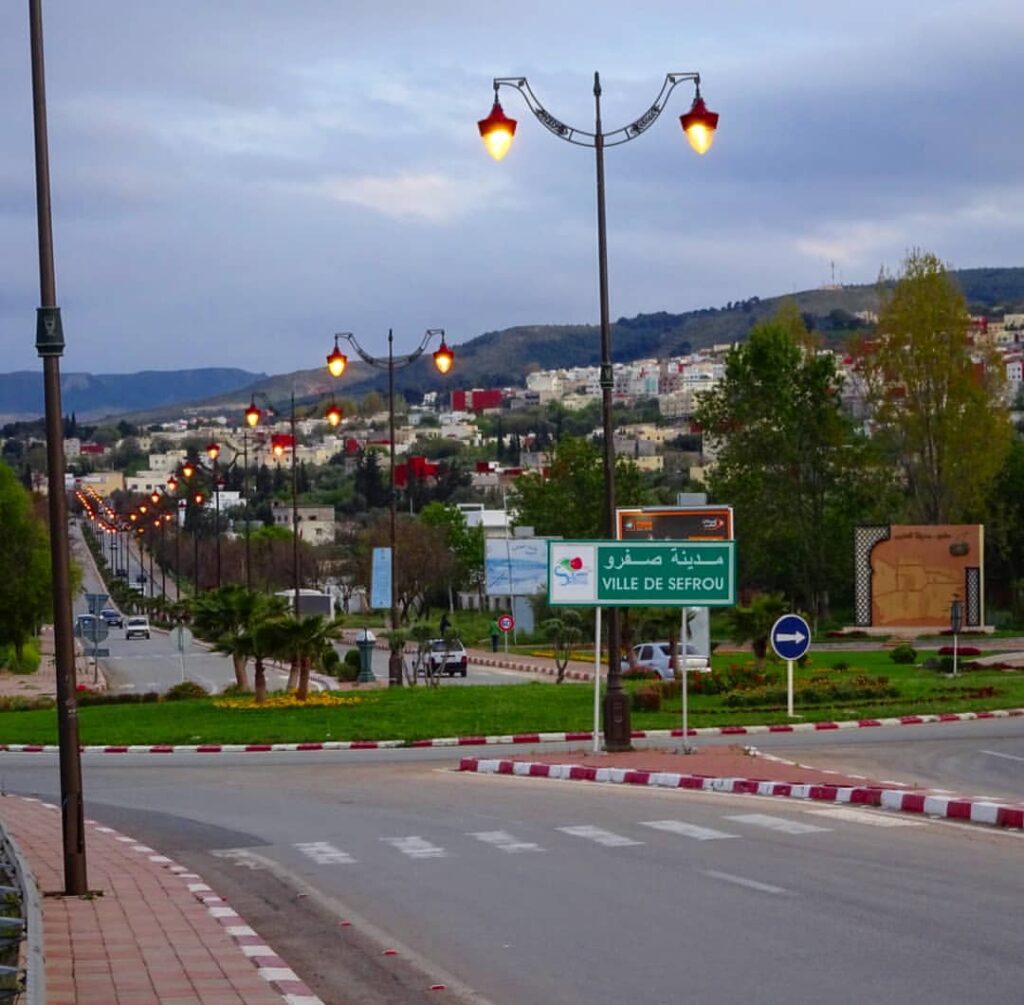
For a day trip from Fez, visit Sefrou, about 30 km away. This old town sits in a fertile agricultural area, so its markets are full of fresh produce and local color.
Close to Sefrou, the village of Bahlil is known for its traditional troglodyte homes. It is a quieter, more unusual stop that adds a different texture to the Fez portion of the trip.
Where to stay in Fez?
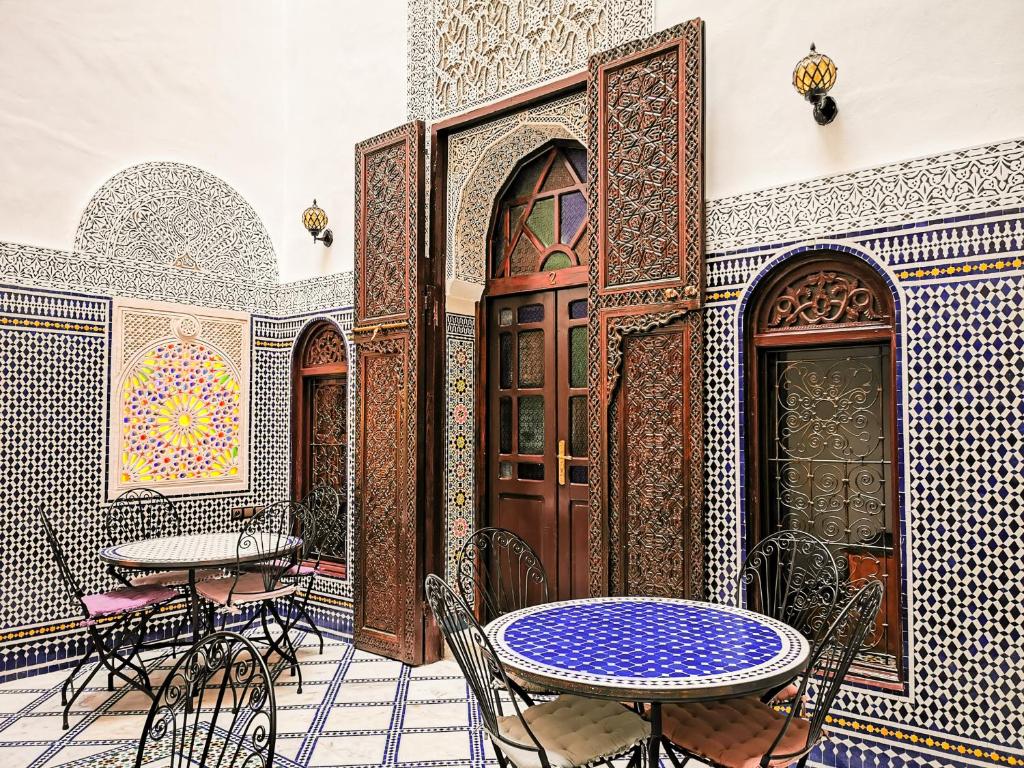
For an atmospheric stay, Riad Farah is a strong choice. It has authentic decor, a restaurant serving local meals, friendly staff, and a rooftop terrace with excellent views.
For a more luxurious riad experience, Riad Rcif & Spa Originale offers ornate interiors, a hammam, spacious rooms, a restaurant, and attentive service. It is a good option if you want Fez’s historic atmosphere with extra comfort waiting at the end of the day.
Step 5: Meknes
Recommended stay: 2 days
What to do in Meknes?
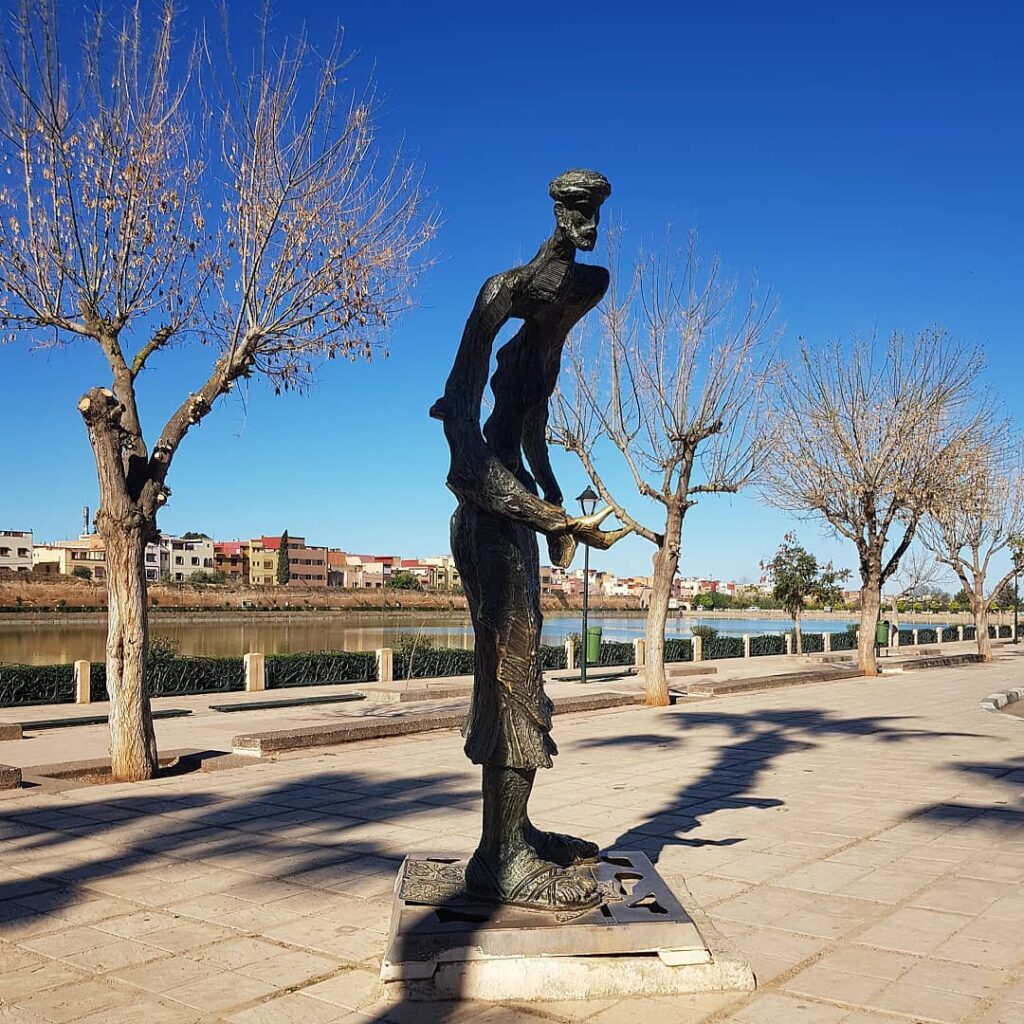
Meknes is one of Morocco’s imperial cities, and it brings a calmer, grander rhythm after Fez. It is known for monumental gates, historic schools, royal heritage, and wide spaces that feel much easier to breathe in after several days inside Fez’s medina maze.
Start with the Medina and Lahdim Square. During the day, it is a good place for a tajine or fresh orange juice; in the evening, it becomes livelier and gives you a more local view of the city’s social life.
The star landmark is Bab Mansour, the grand entrance to the city and one of the most impressive gates in Morocco. It is worth stopping here properly, not just doing the quick “photo and flee.” The details are the whole point.
Visit Bou Inania Madrasa, a historic Koranic school where you can admire the architecture and climb up for a view from the roof tower. It adds a beautiful educational and architectural stop to the Meknes section of the trip.
For a cooler, more open-air break, walk around Bassin Souani. It is a peaceful place to pause, especially if you have been moving quickly through the itinerary.
If you are interested in horses or royal architecture, visit the Royal Stables. The scale of the site helps you understand Meknes’s imperial ambition — because apparently, even the horses needed a serious architectural statement.
What to do around Meknes?
Ancient history lovers should visit the Roman ruins of Volubilis, about 34 km from Meknes. This UNESCO World Heritage site is one of Morocco’s most important archaeological places, with mosaics, columns, and remains including the Arch of Caracalla.
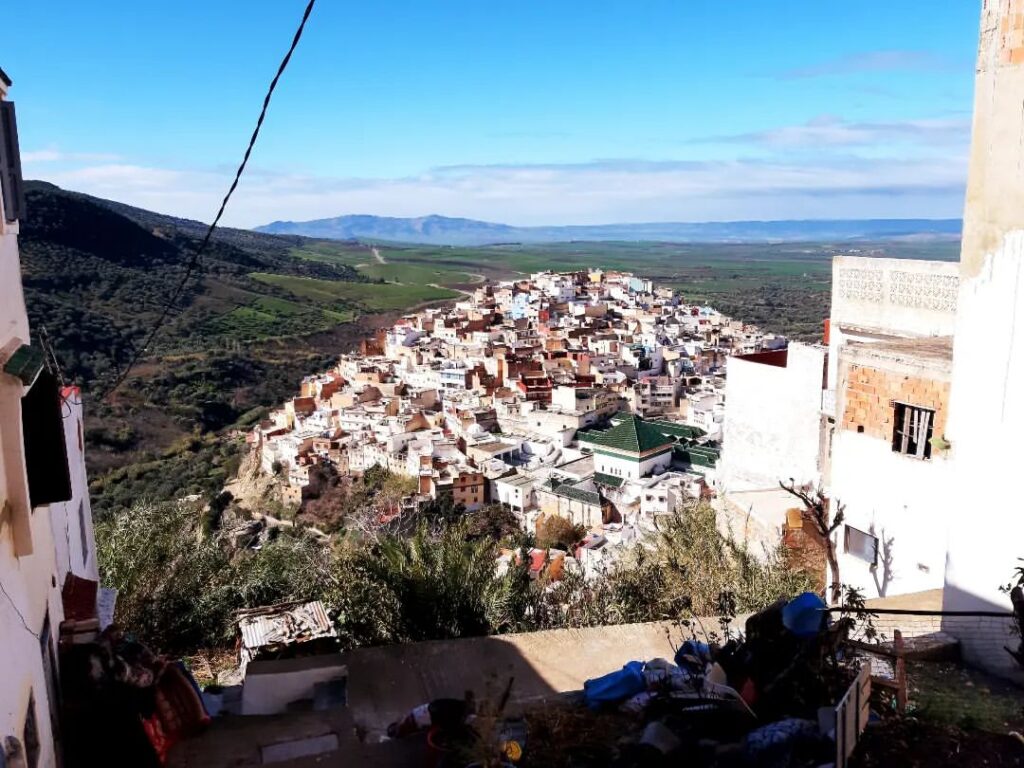
Nearby, Moulay Idriss Zerhoun is another excellent stop. This sacred hill town is named after the founder of Fez and offers narrow streets, strong atmosphere, and beautiful views over the surrounding landscape.
Where to stay in Meknes?
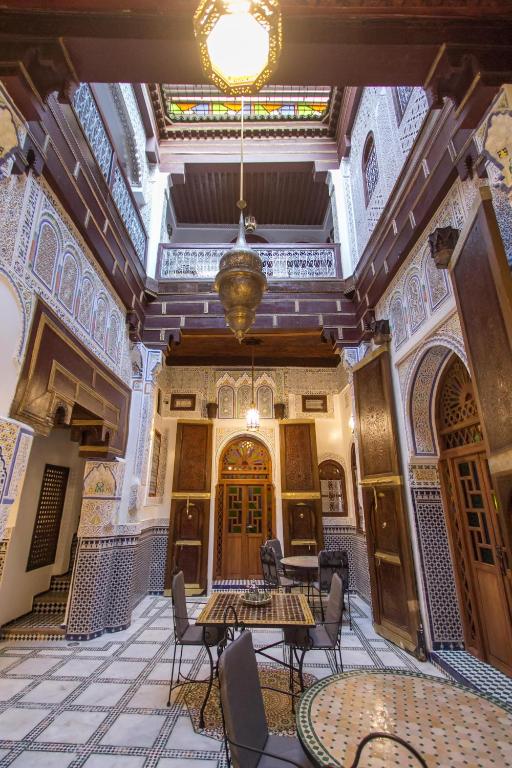
For a budget-friendly option, Riad Dar Meknes Tresor offers good value in the heart of the medina. It is practical, atmospheric, and well located for exploring the city.
For a more comfortable stay, Riad Zyna is a lovely choice with an indoor swimming pool, attentive service, and beautiful Moroccan decor. It works especially well if you want a calm base after busy days of sightseeing.
Step 6: Rabat
Recommended stay: 2 days
What to do in Rabat?
Rabat makes a calm and cultured finale to this North Morocco itinerary. As Morocco’s capital, it has museums, historic gates, ocean views, gardens, medina streets, and a more relaxed rhythm than Fez or Tangier. Basically, it lets you end the trip with culture and a little breathing room. Very civilized of it.
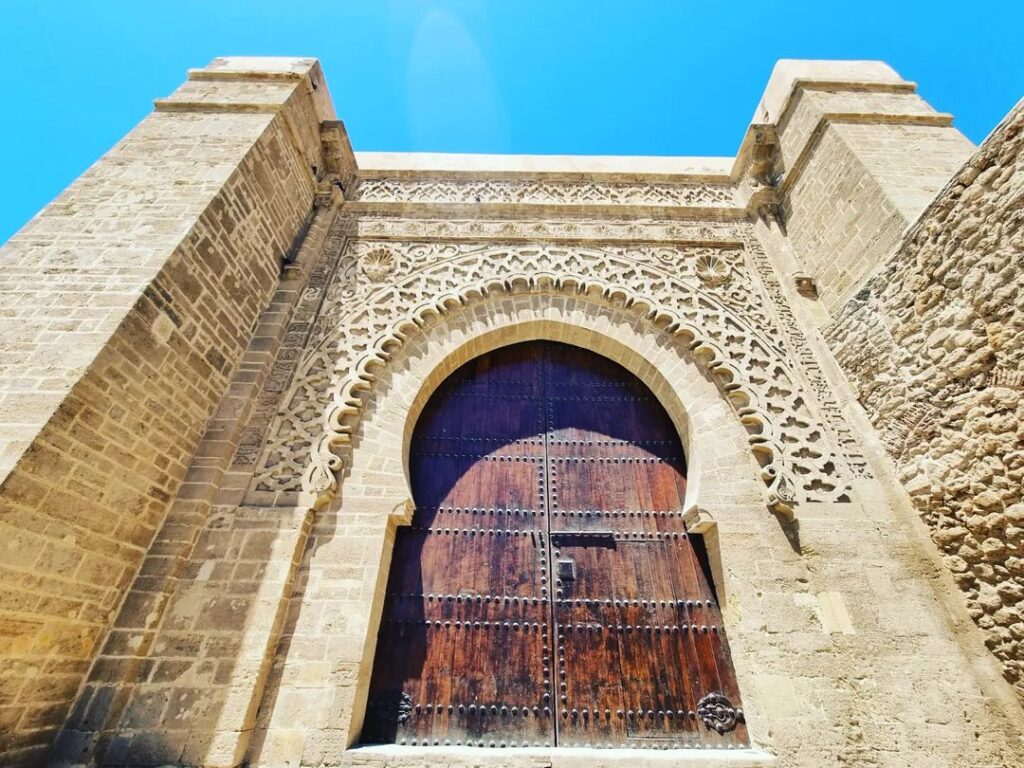
Start at the Oudaïas Kasbah, where white and blue streets overlook the Atlantic. Walk along the walls toward Bab Oudaïa Gate, one of the prettiest entrances in the city.
Inside the kasbah area, stop at Café Maure for tea and Moroccan pastries with an ocean view. This is one of those simple Rabat moments that feels better than any rushed sightseeing sprint.
Next, visit Hassan Tower, the unfinished minaret that remains one of Rabat’s signature landmarks. The surrounding columns and detailed Moroccan design give the site a powerful, slightly haunting atmosphere.
For more history, explore the Chellah, a historic necropolis where ruins, gardens, and storks create one of Rabat’s most atmospheric sites. It is peaceful, photogenic, and a little wild around the edges in the best way.
To see another side of the city, pass through Bab El Bahr, where you can see the old port area, then wander through Rabat’s Souk for shopping, everyday life, and one final dose of medina energy.
If you enjoy museums, the Archaeology Museum is a good stop for history lovers, while the Mohammed VI Museum of Modern and Contemporary Art is ideal if you want a more modern cultural finish to the trip.
If you prefer a deeper introduction to the capital, book a walking tour with a local. Rabat rewards context, and a good guide can make the city feel much more layered than it may seem at first glance.
What to do around Rabat?
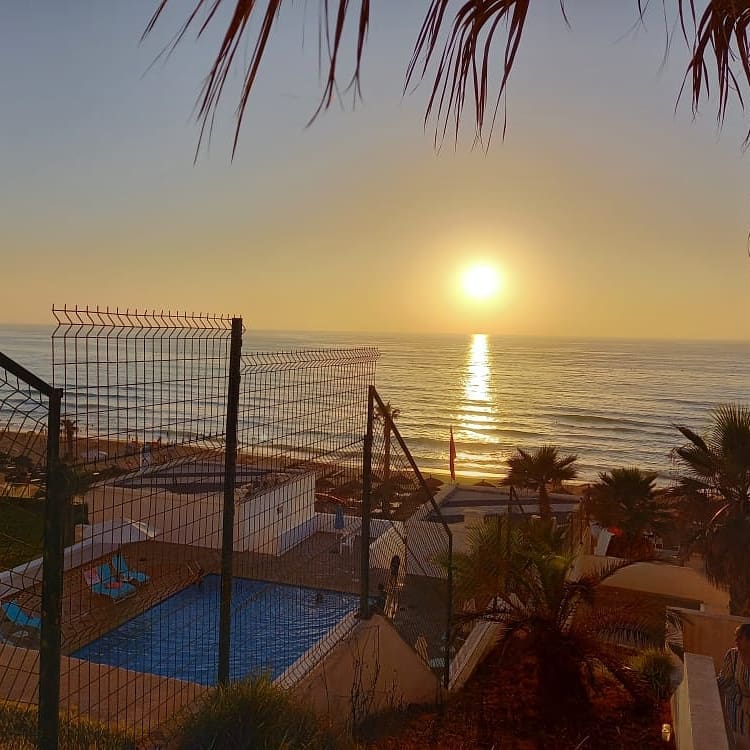
If you want beach time after the city, head to Témara Beach, about 14 km south of Rabat. It is an easy coastal escape if you want to end the itinerary with sand instead of another museum floor.
For something quieter and greener, visit the exotic gardens of Bouknadel, about 23 km north of Rabat. A stroll here feels like moving through different planted worlds, which is a lovely way to decompress after two weeks of towns, roads, and riads.
Where to stay in Rabat?
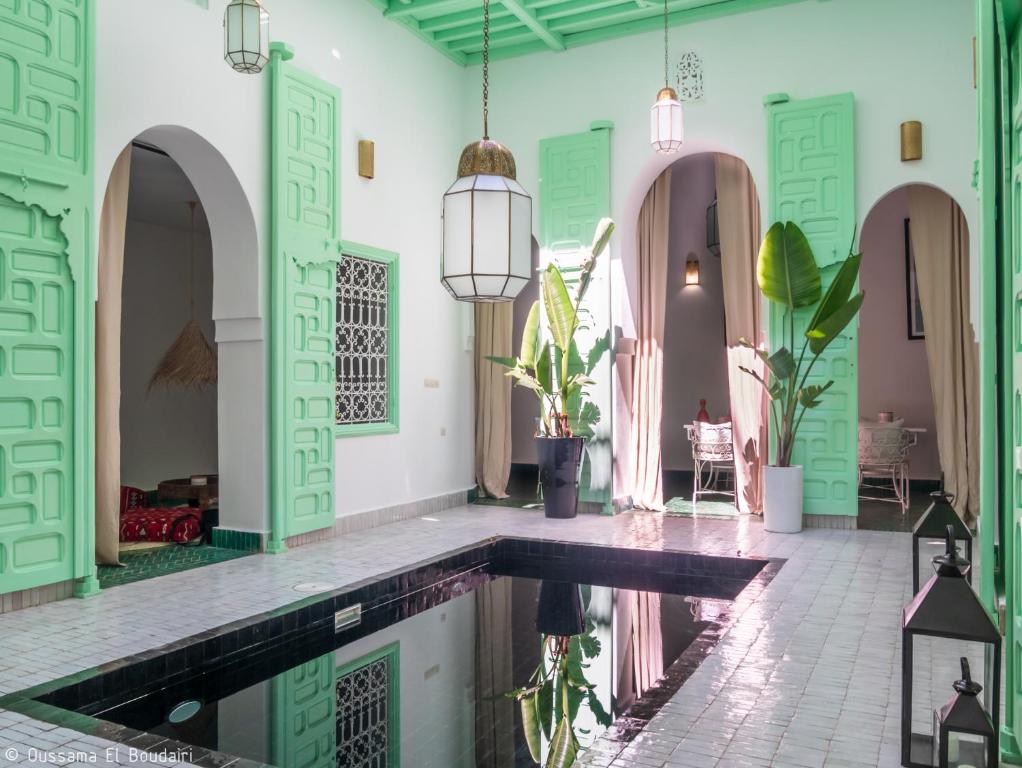
For a mid-range stay, Riad Dar Rabiaa and Riad Dar Soufa are both good options in the heart of the medina. They offer peaceful rooms, warm service, and a traditional feel without putting you far from the main sights.
For a more luxurious finale, Dar Shâan is a beautiful choice. It has a cozy atmosphere, a swimming pool, an excellent roof terrace, and a wellness area, making it a relaxing final base after a busy North Morocco route. It is also about a 10-minute walk from the beach, which is exactly the kind of ending we support.
- Perfect Morocco with kids Itinerary (2026): 25 Days from Tangier to the Anti-Atlas, Coast, and Marrakech
- Where To Stay In Agafay Desert in 2026: Luxury Moroccan Holidays
- 14 Most Beautiful Beaches In Morocco (2026)
- What To Wear In Morocco (2026): Real-World Travel Guide For Female Travellers
- 3 Best Places To Stay in Marrakech Medina [2026 Updated]