
Travel writing based on first-hand experience
Explore the best places to visit in Egypt, from the Pyramids of Giza and Luxor’s ancient temples to the stunning Red Sea beaches in Hurghada and Dahab. Discover top attractions, cultural gems, and travel tips for an unforgettable Egyptian adventure.
Planning more Egypt temples, beaches, and desert adventures? Read these next
Table of Contents
Best Places to Visit in Egypt
1. Giza Pyramids
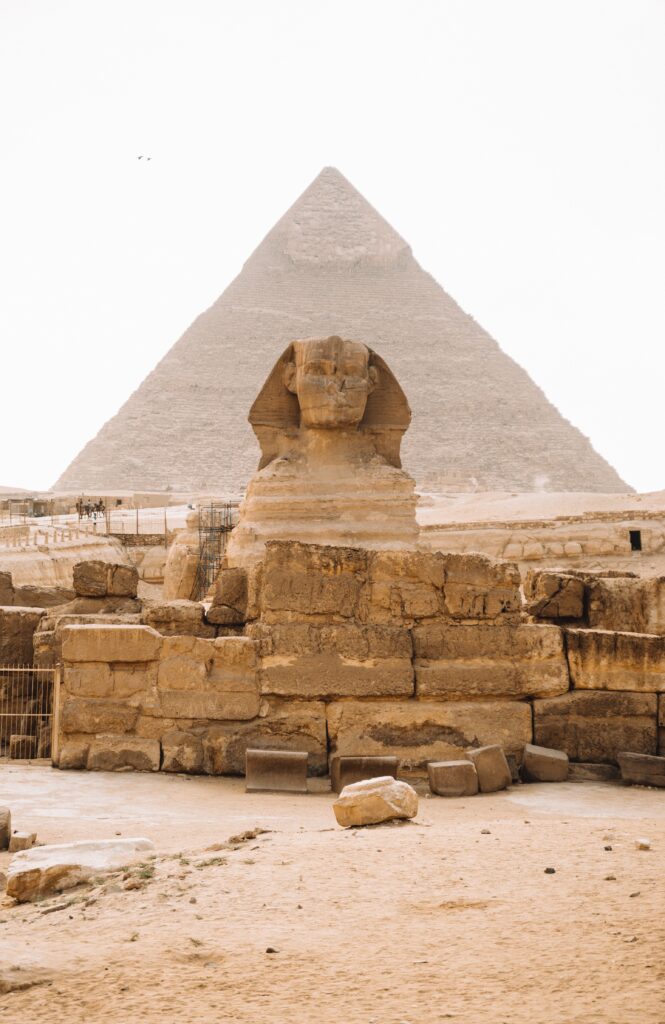
The Ancient World had seven wonders, but the Pyramids of Giza are the only ones still standing today. So yes, if we’re visiting Egypt, this is not optional. This is the big one.
Built around 2,500 BC, the pyramids were made from massive limestone blocks and designed as royal tombs for three powerful pharaohs: Khufu, Khafre, and Menkaure. The scale is almost rude. You stand there, squinting into the desert light, wondering how humans managed this thousands of years ago while we still struggle to assemble flat-pack furniture.
At the edge of the complex, the Great Sphinx keeps watch. With its lion’s body and human head, this 20-meter-high guardian adds another layer of mystery to an already incredible place. Come early if you can, bring water, and prepare for sand, sun, and one of the most unforgettable views on earth.
2. Karnak Temples
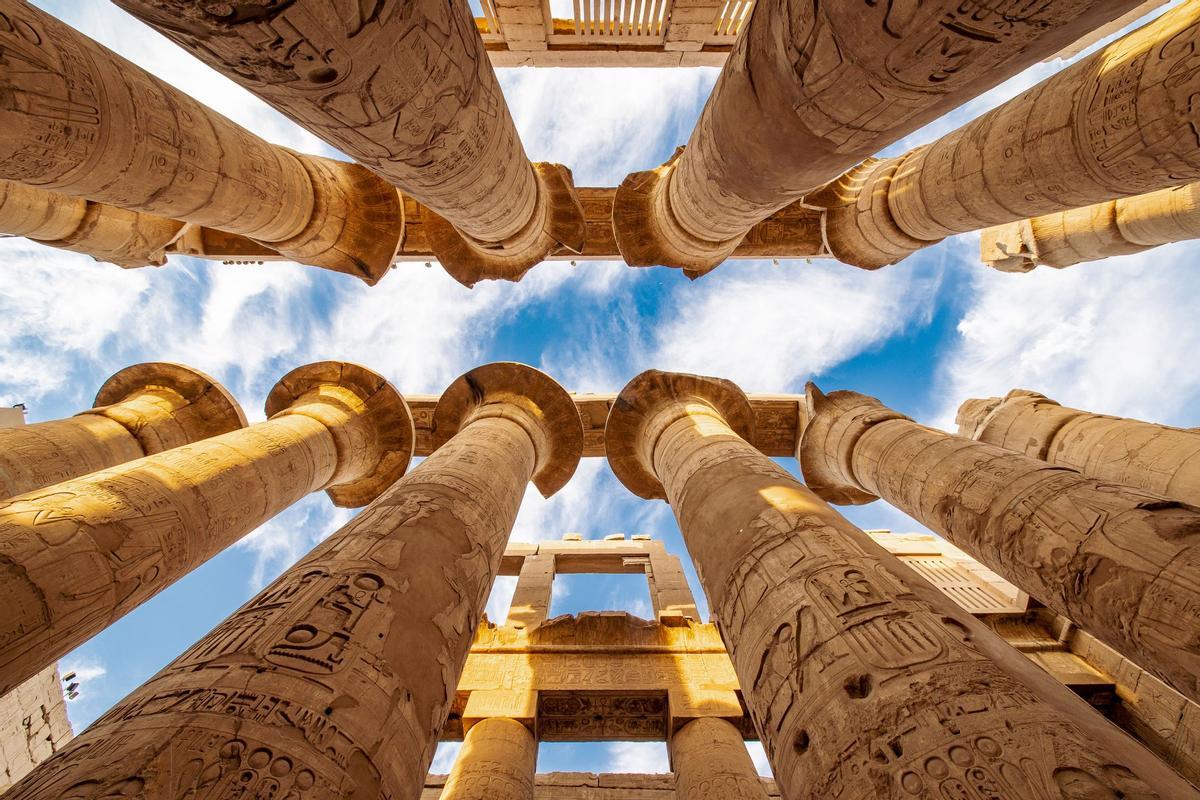
If ancient Egypt had a “go big or go home” department, Karnak was clearly running it. Located in ancient Thebes, the former capital of Egypt for more than a thousand years, this huge temple complex was built and expanded by generations of pharaohs.
For centuries, rulers competed to honor the god Amun with bigger temples, taller obelisks, grander statues, and more dramatic sacred spaces. The result? A sprawling complex with temples, columns, statues, obelisks, chapels, and even a sacred lake. Subtle? Absolutely not. Magnificent? Completely.
The highlight is the Great Hypostyle Hall, filled with enormous columns covered in hieroglyphics. You can also walk along the famous Avenue of the Sphinxes, which once connected Karnak with the temples of Luxor. Some of the ram-headed sphinxes are still visible near the entrance, standing there like they know they’re iconic.
3. Temple of Luxor
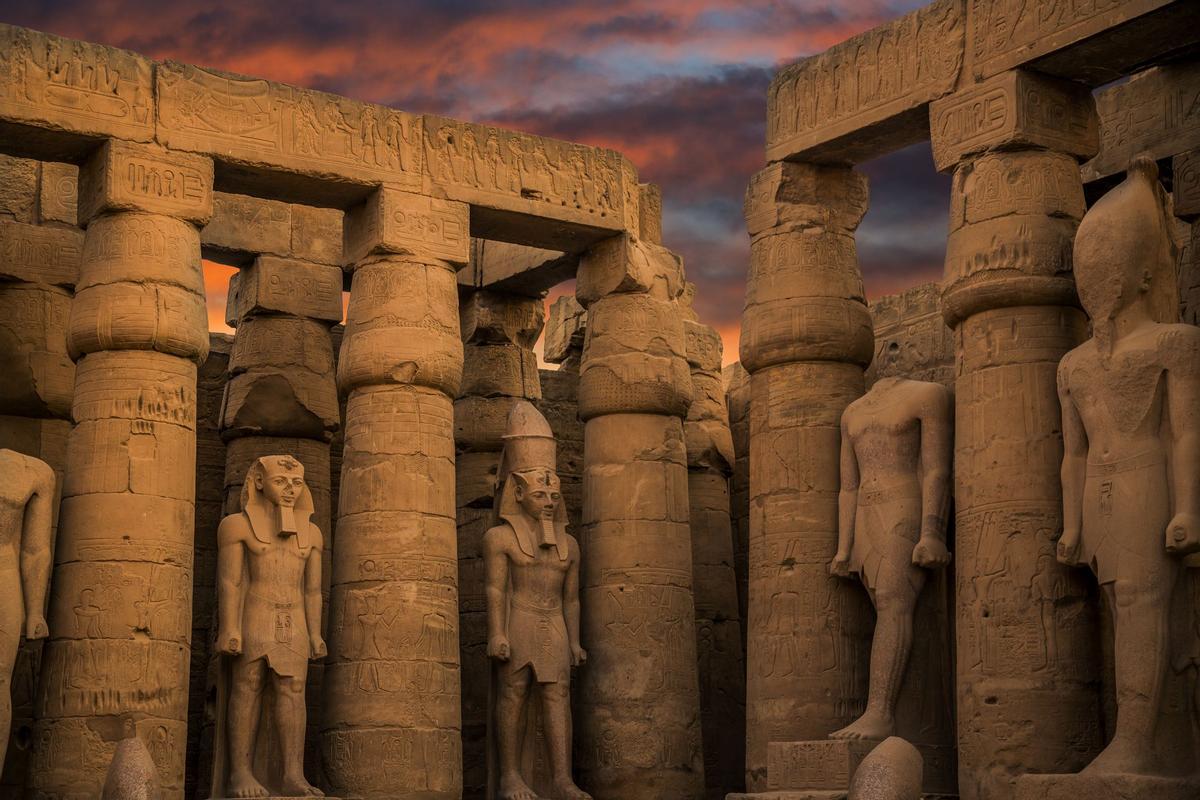
Just two kilometers from Karnak, the Temple of Luxor is another giant reminder that ancient Egyptian architecture did not believe in doing things halfway. Built mainly by Amenhotep III and Ramses II more than 3,500 years ago, this temple was also dedicated to the god Amun.
Luxor Temple is one of the best-preserved temples in Egypt, and its grand façade, huge statues, carved walls, and dramatic columns make it one of the country’s most impressive places to visit. One of its original obelisks now stands in the Place de la Concorde in Paris — because apparently even ancient Egyptian monuments like a European city break.
Visit during the day to see the carvings clearly, or come in the evening when the temple is lit up and the whole place feels wonderfully cinematic.
4. Cairo
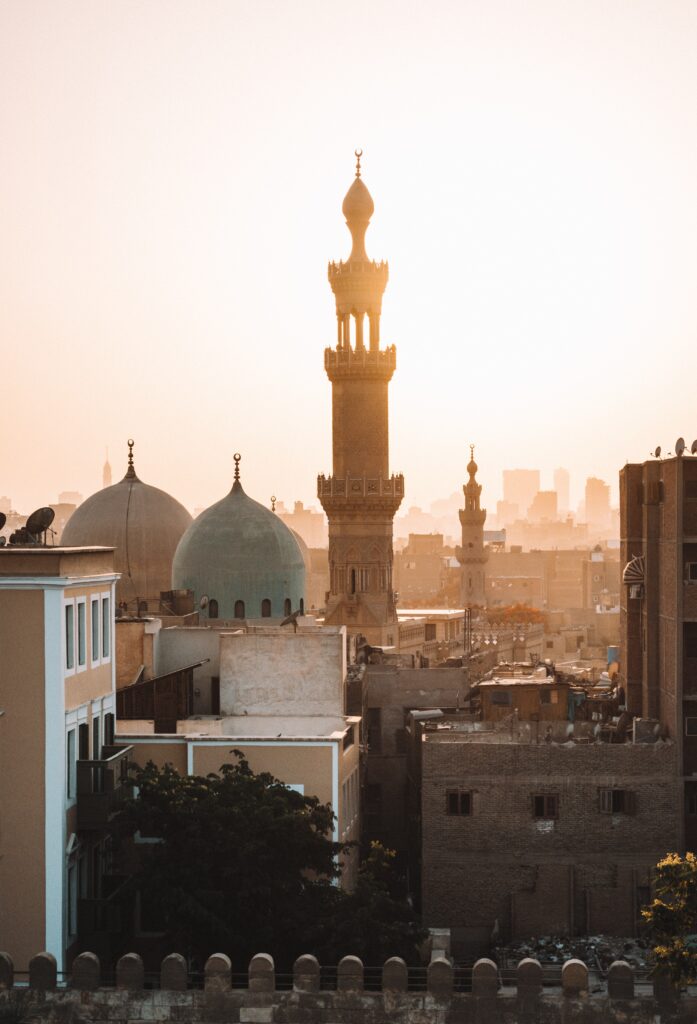
Cairo is loud, layered, chaotic, historic, and completely essential. It is the kind of city that throws everything at you at once: traffic, mosques, markets, cafés, Nile views, street food, dust, beauty, noise, and then somehow — magic.
Walking through Cairo, we get a real sense of Egypt’s contrasts. There are deeply traditional neighborhoods, modern districts, historic mosques, busy shopping streets, and cultural treasures everywhere. The city’s food, history, and energy can feel overwhelming at first, but that is also part of the experience. Cairo does not whisper. Cairo announces itself.
The markets are a huge part of the city’s charm, with stalls, bazaars, crafts, perfumes, lamps, spices, and souvenirs packed into lively streets. Cairo is also home to famous mosques, including the Mosque of Muhammad Ali, often called the Alabaster Mosque, one of the city’s most beautiful landmarks.
5. Temple of Kom Ombo
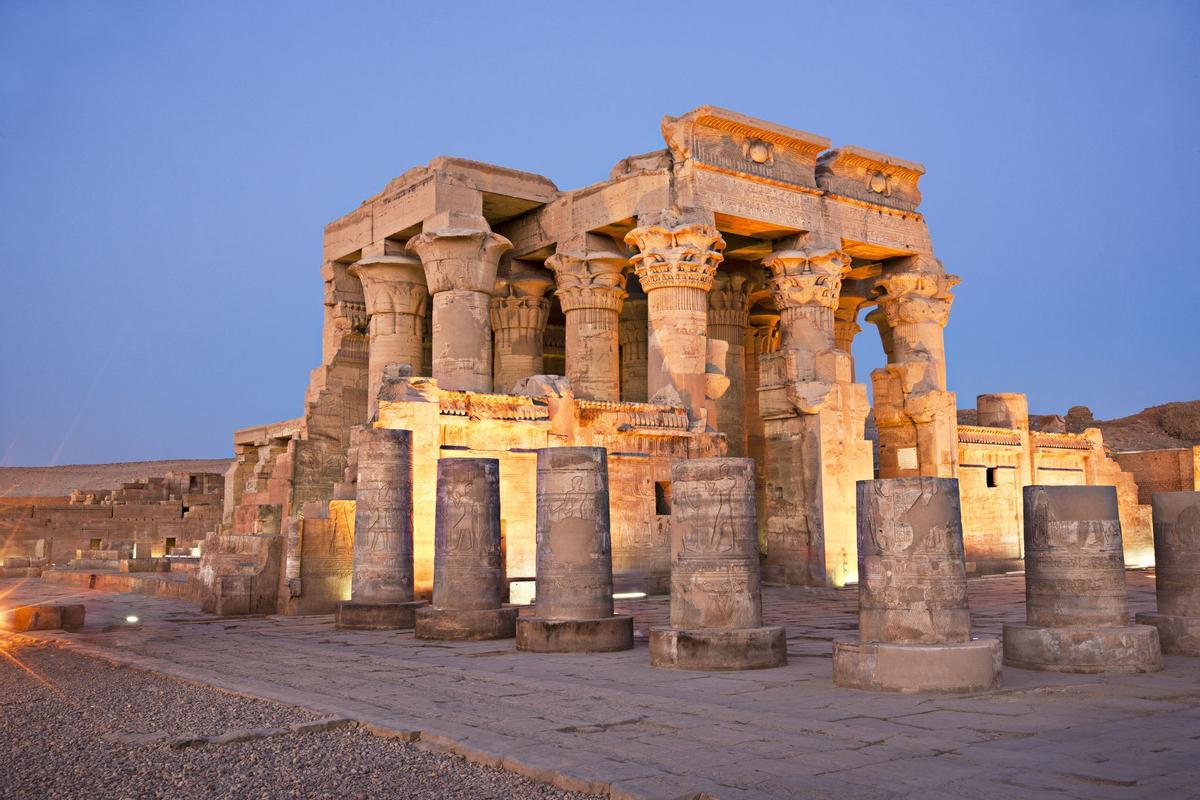
On the banks of the Nile, the Temple of Kom Ombo brings us something a little different: one temple, two gods, and a crocodile twist. Built during the Ptolemaic period, this is a double temple with two symmetrical sections. One side was dedicated to Haroeris, a form of Horus, and the other to Sobek, the crocodile god.
Inside, you can see fascinating carvings, ancient reliefs, and even a crocodile mummy — because yes, Egypt really does keep raising the bar. On the outer walls, look for carved medical tools, which give a glimpse into ancient Egyptian knowledge of surgery and healing.
Although the temple is not perfectly preserved, it remains one of the most memorable stops along the Nile and a must-see place in Egypt, especially if you are traveling between Luxor and Aswan.
6. Temple of Horus
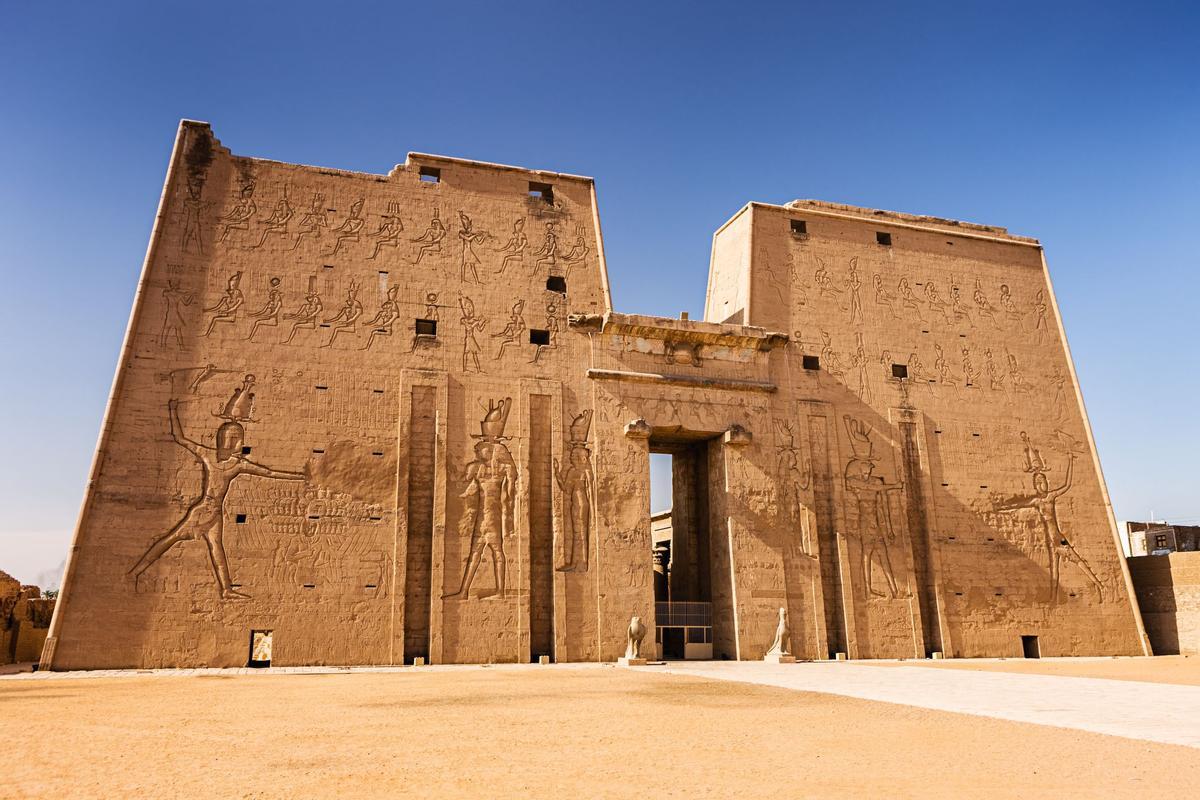
The Temple of Horus at Edfu is one of the best-preserved ancient temples in Egypt and the second largest after Karnak. Dedicated to the falcon god Horus, it was built during the Ptolemaic period and still feels astonishingly complete.
The reason it survived so well? For centuries, it was buried under desert sand. Not glamorous, perhaps, but very effective. When it was rediscovered by French archaeologist Auguste Mariette, much of the structure, statues, and reliefs were still in excellent condition.
Walking through Edfu feels like stepping into an ancient stone textbook. The walls are covered with carvings, stories, symbols, and scenes that help bring Egyptian mythology to life. If you love temples, this one is a heavyweight.
7. Alexandria

On Egypt’s Mediterranean coast, Alexandria brings a completely different mood. Less desert drama, more sea breeze. Founded by Alexander the Great in 332 BC, the city became one of the ancient world’s most important centers of trade, learning, and culture.
Alexandria was once home to the legendary Great Library of Alexandria, which held millions of historical documents before its loss, and the Lighthouse of Alexandria, one of the Seven Wonders of the Ancient World. The lighthouse stood more than 120 meters high, which in ancient times was basically skyscraper behavior.
Today, Alexandria is known for its seafront, historic sites, cafés, museums, and slightly nostalgic charm. It is a great place to add to your Egypt itinerary if you want a break from temples and tombs without leaving history behind.
8. Abu Simbel
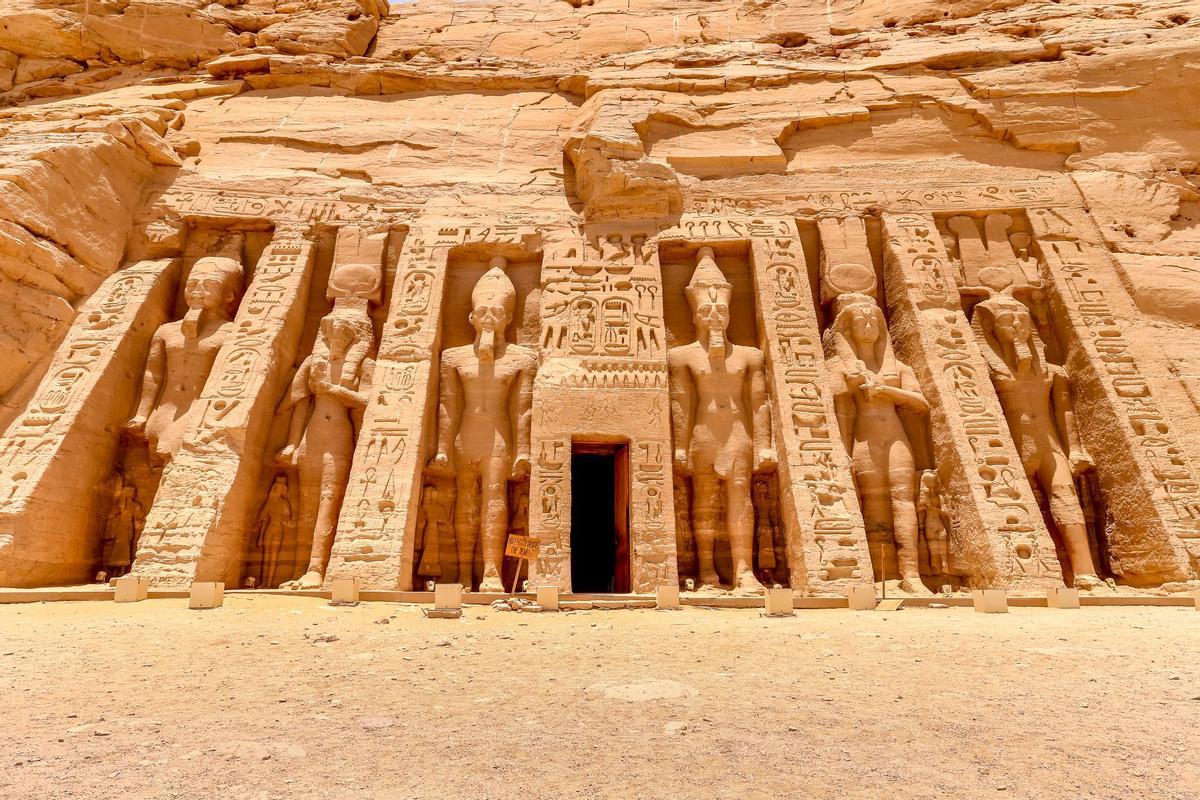
Far in southern Egypt, Abu Simbel is one of the country’s most jaw-dropping archaeological sites. Built in the 13th century BC by Ramses II, the two huge rock-cut temples were created to celebrate his power and honor both the pharaoh and his wife, Queen Nefertari.
The four colossal seated statues at the entrance are the kind of sight that makes everyone go quiet for a second. Even the most tired traveler suddenly finds energy. Ancient Egypt knew how to make an entrance.
In the 20th century, the temples had to be moved to higher ground during the construction of the Aswan High Dam. The relocation was a massive international effort and is almost as impressive as the temples themselves. Today, Abu Simbel remains one of Egypt’s most unforgettable places to visit.
9. White Desert
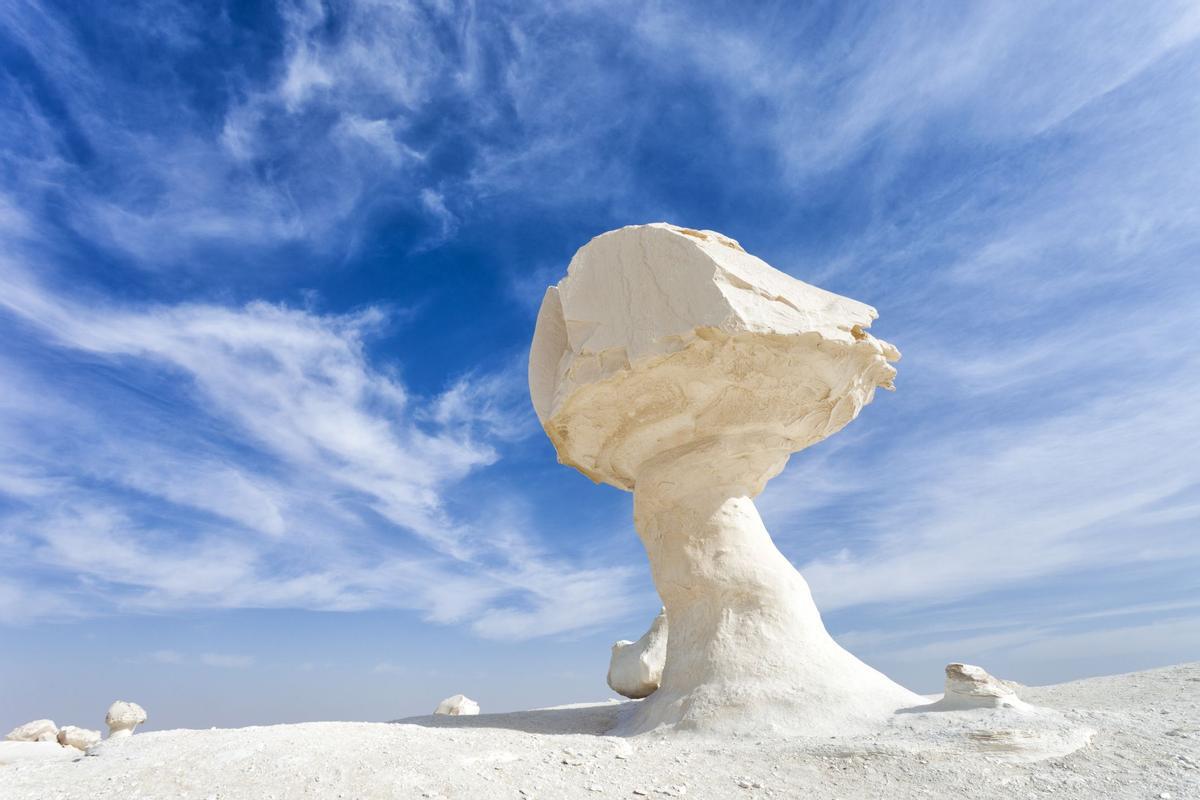
When we picture Egypt, we usually imagine golden sand, pyramids, and maybe a camel posing like it knows its angles. But the White Desert is something stranger and more dreamlike.
Located in Egypt’s Western Desert, around 400 kilometers from Cairo, this surreal landscape is filled with white chalk and limestone formations shaped by wind over thousands of years. Some look like mushrooms, animals, towers, or sculptures abandoned by aliens with excellent taste.
Many visitors camp overnight here to see the stars, which are spectacular far from city lights. You can also combine the trip with the Black Desert, Crystal Mountain, and Bahariya Oasis. It is one of Egypt’s most unusual natural landscapes and a brilliant choice if you want something beyond the classic temple route.
10. Grand Egyptian Museum

The Grand Egyptian Museum has been one of Egypt’s most anticipated cultural openings for years. Located near the Giza Pyramids, it is designed to become one of the world’s great museums and a major stop for anyone interested in ancient Egypt.
The museum covers a vast area and is expected to display thousands of objects, including treasures from the tomb of Tutankhamun. For many travelers, this will be the first time they can see so many of these artifacts together in one place.
The collections cover ancient Egyptian history from prehistory and the Predynastic Period through to later eras, making it a perfect companion to a visit to the pyramids. Basically, we go to Giza to stare at the monuments, then come here to understand more of the story behind them.
Egypt is a destination that deserves to be visited at least once in a lifetime. Its ancient monuments, cities, temples, deserts, museums, and rich architecture create a cultural experience unlike anywhere else in the world.
11. Mount Sinai
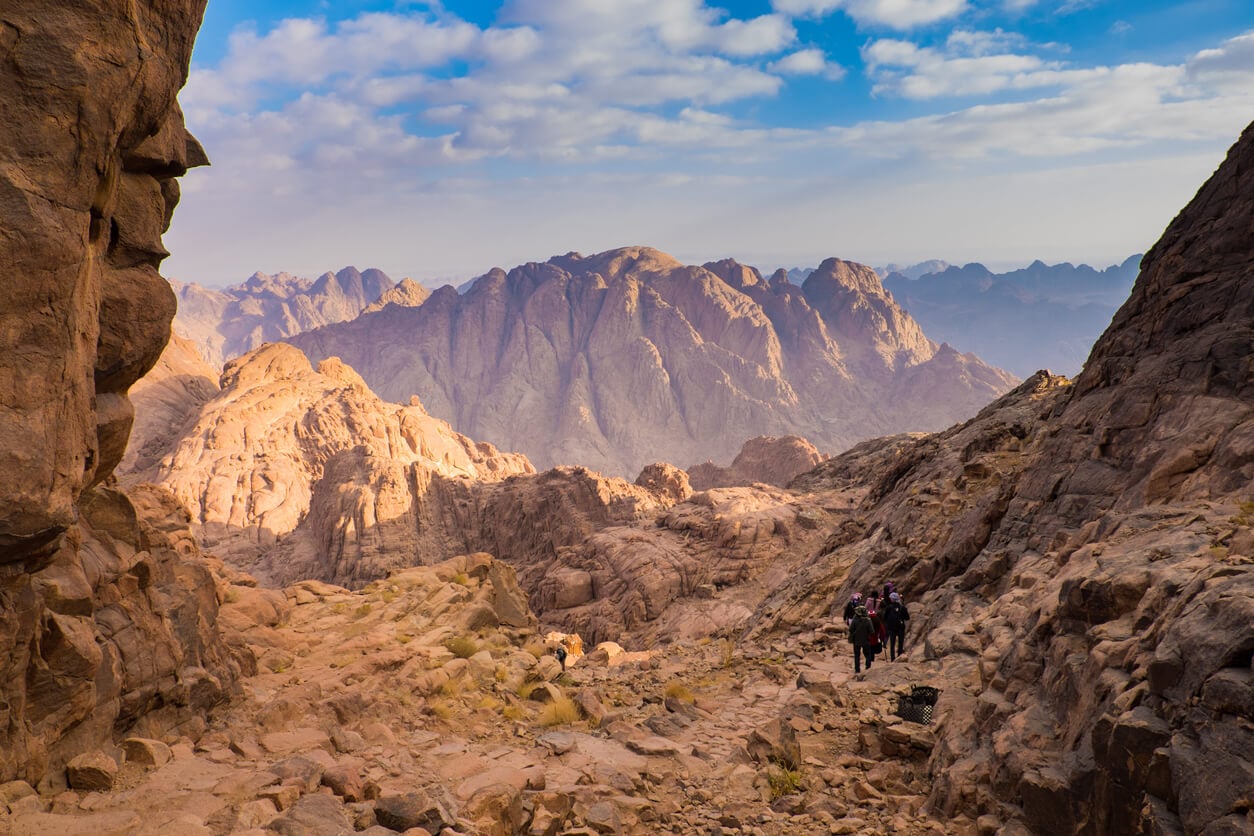
Whether you come for the biblical story of Moses or simply for the hiking views, Mount Sinai is one of Egypt’s most meaningful mountain experiences. It is a popular climb, especially for sunrise, when the rocky landscape slowly turns gold and everyone suddenly becomes very quiet and philosophical.
The hike is not extremely long, but it can feel steep in places, especially in the dark or early morning cold. Bring layers, wear proper shoes, and take water. At the summit, the wide desert views make the early wake-up feel completely worth it.
12. Nuweiba Canyon
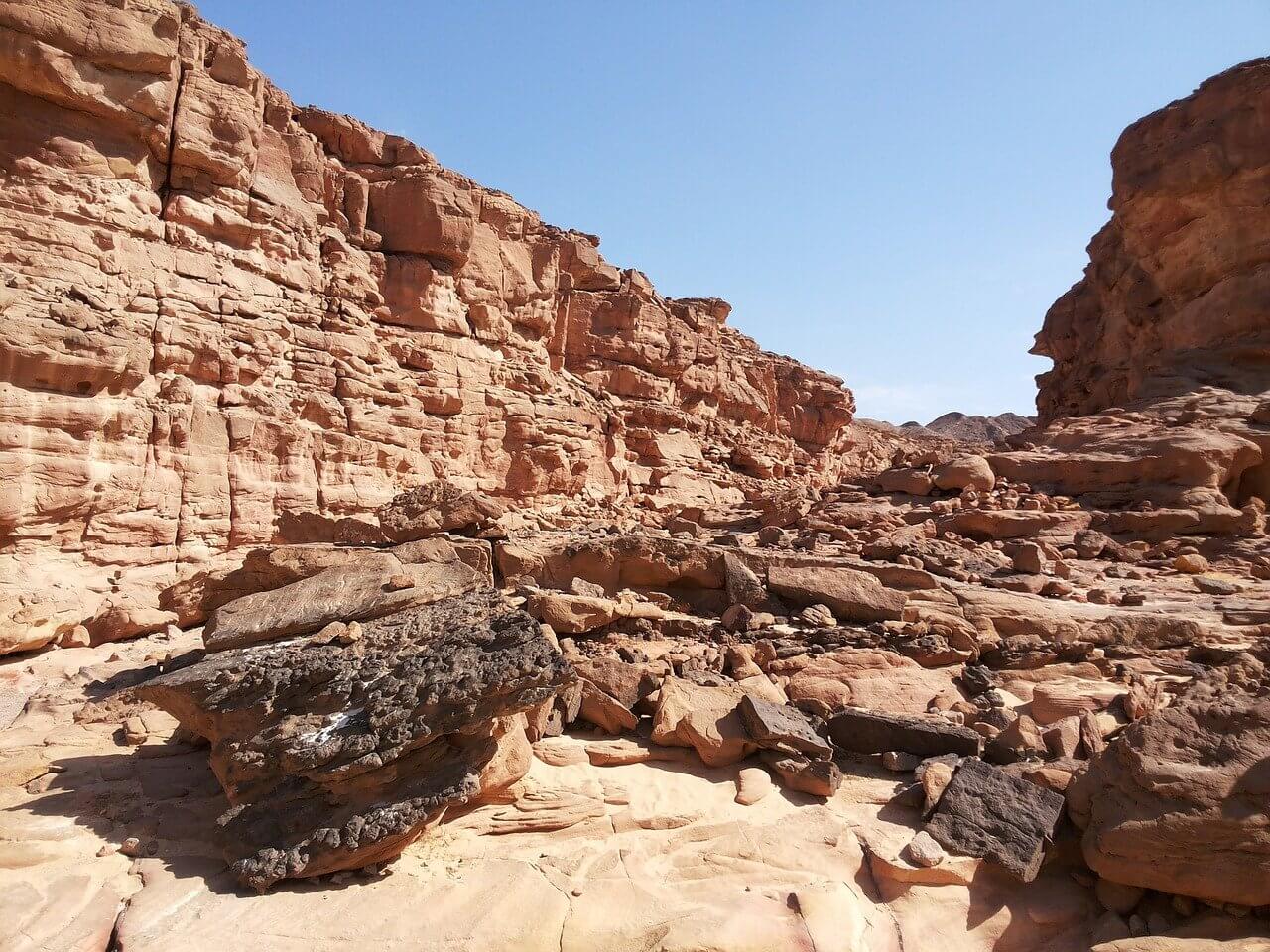
Nuweiba Canyon is one of those places where the rocks seem to have raided an artist’s paint box. The canyon walls shift through shades of yellow, red, orange, and grey, creating a wild and colorful landscape that feels completely different from the classic Egypt postcard.
The hiking trails around the canyon lead through narrow passages, rocky formations, and sun-baked desert scenery. Bring plenty of water, sun protection, and a camera, because this is not the place to realize your phone battery is at 4%. The heat can be intense, but the colors and silence make the effort worthwhile.
FAQs: Best Places to Visit in Egypt
What are the must-see places for a first trip?
Cairo & Giza (pyramids + museums), Luxor (Karnak, Valley of the Kings), Aswan (Philae, felucca), and Abu Simbel. That core is Egypt 101.
How long should I plan for that “classic” route?
About 7–10 days: 2–3 Cairo, 3 Luxor, 2 Aswan, plus a day (or flight) for Abu Simbel. Add a Nile cruise if you want slow, scenic travel.
Is a Nile cruise worth it?
Yes if you love unhurried days and temple stops (Edfu, Kom Ombo). If you’d rather build your own timing, go land-based and day-trip.
Beyond the classics, what else is amazing?
Alexandria (Mediterranean vibe), Siwa Oasis (salt lakes, desert sunsets), White Desert (otherworldly chalk formations), and Dahab/Sharm (Red Sea reefs).
Where are the best beaches and snorkeling?
Dahab, Sharm el-Sheikh, Marsa Alam, and the Giftun islands off Hurghada. Blue water, healthy coral, easy boat trips.
Best spots for history lovers?
Saqqara (Step Pyramid), Abydos & Dendera (incredible reliefs), Philae, Karnak, and the small but brilliant Nubian Museum in Aswan.
If I only have 5 days, what should I pick?
Do Cairo/Giza (2–3 days) + Luxor (2 days). Save Aswan/Abu Simbel for next time, or swap Luxor for Alexandria if you want coastal chill.
When’s the best time to visit?
October–April. Cooler, clearer light. Summer works with dawn starts and long siestas.
Is Egypt safe for tourists on these routes?
Generally yes on the main circuit. Use licensed guides/drivers, keep valuables close, and stick to well-lit areas at night.
Do I need a guide at the big sites?
Not required, but highly recommended at Luxor and Saqqara—your understanding jumps 10× when someone decodes what you’re seeing.
What’s unmissable in Cairo besides the pyramids?
Egyptian Museum (or the new displays as they open), Islamic Cairo (mosques, lanes, Khan el-Khalili), and Coptic Cairo (churches, Ben Ezra).
Best sunrise/sunset moments?
Sunrise at Mount Sinai (overnight hike), sunset felucca in Aswan, and golden hour at Abu Simbel or Karnak.
How do I fit Alexandria in?
Train or car from Cairo (day trip or one night). See Bibliotheca Alexandrina, Qaitbay Citadel, and the Corniche; eat by the sea.
What about permits and “special” tickets?
Inside the Great Pyramid, Seti I or Nefertari tombs, and some camera tickets are separate and limited. Book early when possible.
Family-friendly picks?
Luxor (balloon views, open spaces), Aswan (boat rides), and the Red Sea (calm snorkeling). Bring sun gear and snacks.
How should I split time between temples and the sea?
First-timer: 70% history / 30% sea. Return visits often flip that ratio—Dahab tends to keep people longer than planned.