
Writing lived-in travel guides from long stays and real routes
The ferry doors opened, Morocco appeared ahead of us, and there we were: full of road-trip optimism, snacks, children, luggage, and the foolish belief that our first day would be simple.
Morocco laughed politely.
A wildfire had closed the highway. We ended up crawling along a secondary road near Asilah, ash landing on the windshield, black smoke hanging over the hills, and our “quick lunch stop” turning into a tense three-hour detour. Not exactly the cinematic arrival we had in mind.
And yet, this is Morocco: chaos one minute, kindness the next. Villagers stood by the road handing bottles of water to drivers stuck in the heat. Nobody had planned for this. Everyone helped anyway.
That set the tone for our 25-day Morocco with kids itinerary: intense, beautiful, occasionally ridiculous, and full of moments we still talk about.
Below is our full Morocco itinerary with kids, including Rabat, Casablanca, Oualidia, Essaouira, Taghazout, Tafraout, Aït Mansour, Tata, Ouarzazate, Skoura, the Valley of Roses, Marrakech, and the Atlantic coast.
Our 25-Day Morocco with kids Itinerary at a Glance
| Day | Stage |
|---|---|
| Day 1 | Arrival in Tangier by ferry, then drive to Rabat |
| Days 2–3 | Rabat |
| Day 4 | Casablanca family stop |
| Day 5 | Oualidia |
| Days 6–9 | Taghazout, surfing, and coworking |
| Days 10–11 | Tafraout and the Anti-Atlas |
| Day 12 | Aït Mansour Oasis and road to Tata |
| Day 13 | Route to Ouarzazate via Foum Zguid |
| Days 14–15 | Ouarzazate and surroundings |
| Day 16 | Aït Ben Haddou and Skoura |
| Days 17–18 | Valley of Roses |
| Days 19–20 | Marrakech |
| Days 21–22 | Tamares beach stop |
| Days 23–24 | Casablanca |
| Day 25 | Return to Tangier |
Our Detailed Morocco with kids itinerary
Arrival in Morocco: Tangier to Rabat
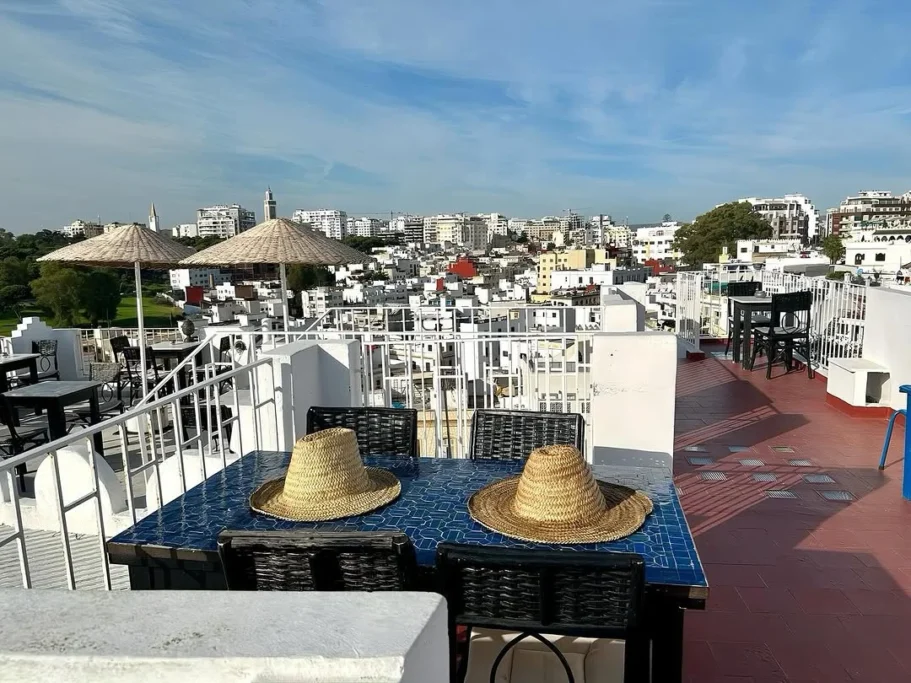
We arrived in Morocco by ferry, bright-eyed and slightly delusional, as all good road trips begin.
The plan was simple: disembark, stop near Asilah for lunch, then continue toward Rabat. A gentle first day. A soft landing. A tidy little introduction to Morocco.
Absolutely not.
The highway was closed because of a fire, so we were redirected onto a secondary road. Soon we were wedged in traffic between smoke, ash, and hills that looked far too dramatic for comfort. What should have been a short section turned into a long, slow drive with a knot in our stomachs.
But even there, Morocco gave us one of those small human moments that stay with you. Local villagers came out to offer water to drivers stuck on the road. It was hot, stressful, and uncertain — and people helped strangers anyway.
Not a smooth arrival. But a memorable one? Completely.
Rabat with Kids: Days 2–3
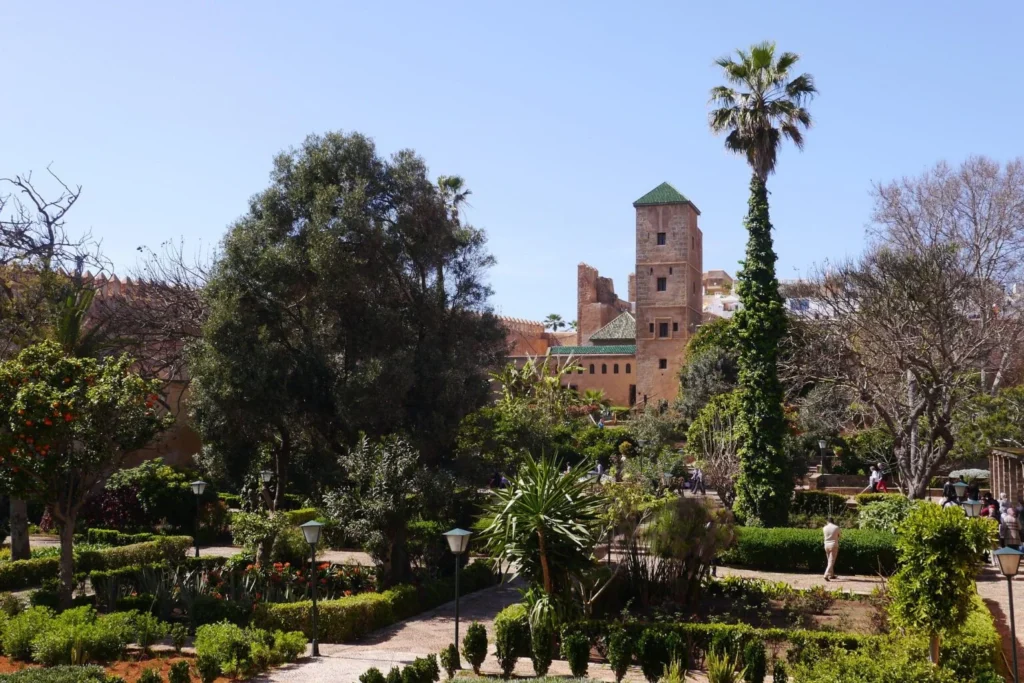
In Rabat, we had a HomeExchange waiting for us for three nights, and honestly, the house was a dream.
We are talking: a huge swimming pool, musical instruments, tiny kittens, a rabbit, a lush garden, and storks circling overhead like they had been hired for atmosphere. The children were thrilled. We were thrilled. Even the rabbit looked pleased with itself.
Rabat itself, however, charmed us less than on previous visits.
The souk gallery had been renovated, and the old wrought iron and stained-glass atmosphere we remembered had disappeared. The Kasbah of the Udayas was under construction, so we could not enjoy it properly. And finding a simple Moroccan restaurant was oddly difficult — everywhere seemed to be serving pizza, burgers, and tacos.
Not tragic, obviously. But when you come to Morocco dreaming of tagine and mint tea, being ambushed by taco signs feels like betrayal.
We also wanted to show the girls Chellah, the ancient necropolis. Naturally, it was closed. Because travel with children is basically a long comedy sketch written by logistics.
Luckily, the Mohammed VI Museum of Modern and Contemporary Art saved the day. The girls loved it, and it gave us a calm, air-conditioned break from the city. We also watched young people jumping into the sea from the quay, which became one of those simple, vivid Rabat memories.
Good tip: Do not miss the Moorish café in Rabat. The view is beautiful, and it is a lovely place to pause.
Best for: families who want a softer city stop, culture without Marrakech-level intensity, and easy access to the coast.
With kids: Rabat works well if you mix sightseeing with slow breaks. Do not overpack the schedule.
Read :Three Days in Rabat: The Perfect Itinerary for First-Timers- Medina, Kasbah & Ocean Views and What To Do In Rabat Morocco: Ultimate Capital City Guide
Casablanca: Day 4
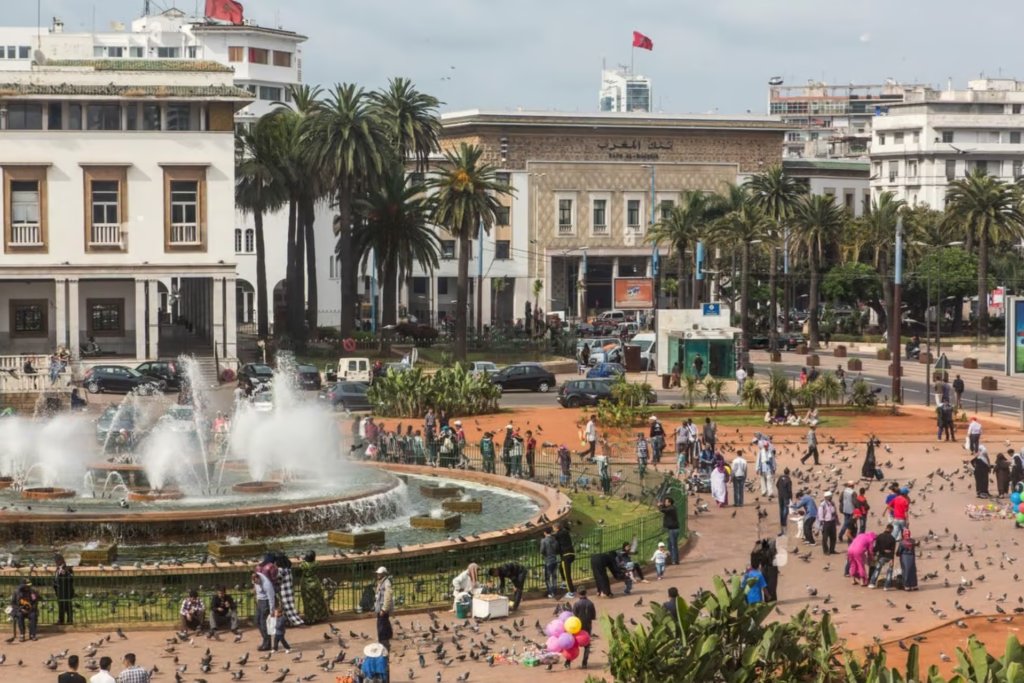
Casablanca was a family stop for us, which means we arrived with practical goals: hugs, tea, family news, and dropping off our precious work equipment before heading further south.
Of course, leaving Moroccan family is never quick.
“One more tea.”
“Wait, your aunt is coming.”
“Just five minutes.”
Another tea appears.
Time evaporates.
We also squeezed in a quick stop around Aïn Diab and the Corniche. Casablanca gave us a glimpse of modern Morocco: big roads, sea views, cafés, shopping, and a very different rhythm from the old medinas.
The girls saw another side of the country here — less postcard Morocco, more everyday urban Morocco. And that matters too.
Best for: family visits, modern city life, the Corniche, and the Hassan II Mosque if you have time.
With kids: Casablanca can feel big and busy, so keep expectations realistic. Pick one or two stops instead of trying to “do” the whole city.
Read : Best Things to Do in Casablanca: Top Attractions, Hidden Gems & Local Tips
Oualidia: Day 5
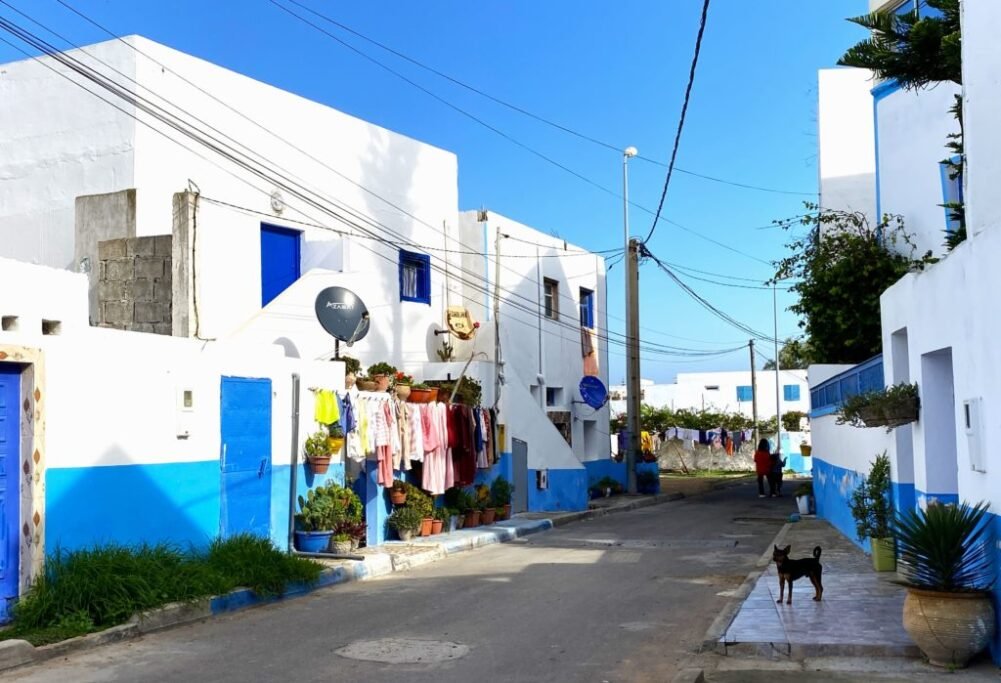
We had imagined Oualidia as a peaceful lagoon stop: surfing, sea air, maybe a dreamy seafood lunch.
Reality kicked the door open.
When we arrived, the area felt crowded and polluted, with plastic bags blowing around and far too many people. It was not the calm lagoon fantasy we had packed in our heads.
So we retreated to a campsite with a swimming pool. And you know what? The girls had a fantastic time. We slept in the rooftop tent, cooled off, and decided not every stop has to be magical to be useful.
Sometimes the pool saves the day. This is family travel law.
Best for: lagoon scenery if you catch it at the right time, seafood, and a coast break between Casablanca and Essaouira.
With kids: Check recent conditions before planning too much around the lagoon. A pool backup is never a bad idea in Morocco.
Read : What to Do in Oualidia: Ultimate Travel Guide
Essaouira: Our Family Favorite
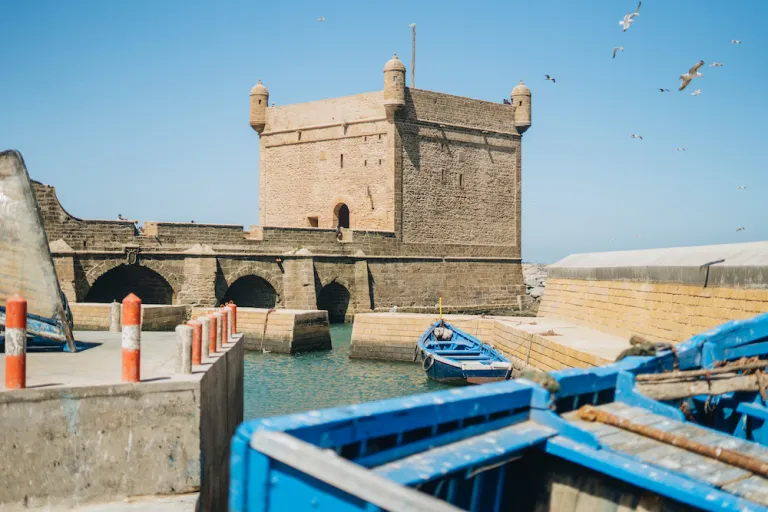
Then came Essaouira, and suddenly the trip found its rhythm again.
Cool mornings. Cats asleep in the medina. Blue doors. Sea wind. Narrow lanes made for wandering. Essaouira has that rare gift: it feels lively but not overwhelming, beautiful but not polished into boredom.
We walked, got lost, and explored the medina slowly. At one point, we chatted with a music seller, and the conversation turned into an impromptu jam session. Magical? Yes. Slightly random? Also yes. Very Essaouira.
The port was another highlight. I put down the camera and spoke with the fishermen. Just a few words of Arabic were enough to open smiles everywhere. Those little moments are often the real souvenirs.
During our stay, we also went surfing and did a horseback ride on the beach. The girls loved it. We loved it. Even the chilly wind felt like a blessing after hotter inland days.
Good tip: Have breakfast at Miloud’s or in one of the tiny local places on Layoune Street. Simple, authentic, generous, and inexpensive.
For fish, head to the port market. We had a feast for four for around 90 dirhams — roughly €9. A ridiculous bargain, in the best possible way.
Best for: families, medina wandering, surf lessons, beach rides, cats, seafood, and cooler weather.
With kids: Essaouira is one of the easiest Moroccan cities to enjoy as a family. The medina is compact, the beach is wide, and the atmosphere is relaxed.
Read :12 Top Things To Do In Essaouira: Your Ultimate Coastal Adventure
Taghazout: Days 6–9
On the road to Taghazout, we stopped in Sidi Kaouki to meet long-time digital nomad friends I had known online but never met in person. It was one of those strange modern friendships where you skip the small talk because you already know each other’s lives through messages. Too short, but lovely.
Then we arrived in Taghazout.
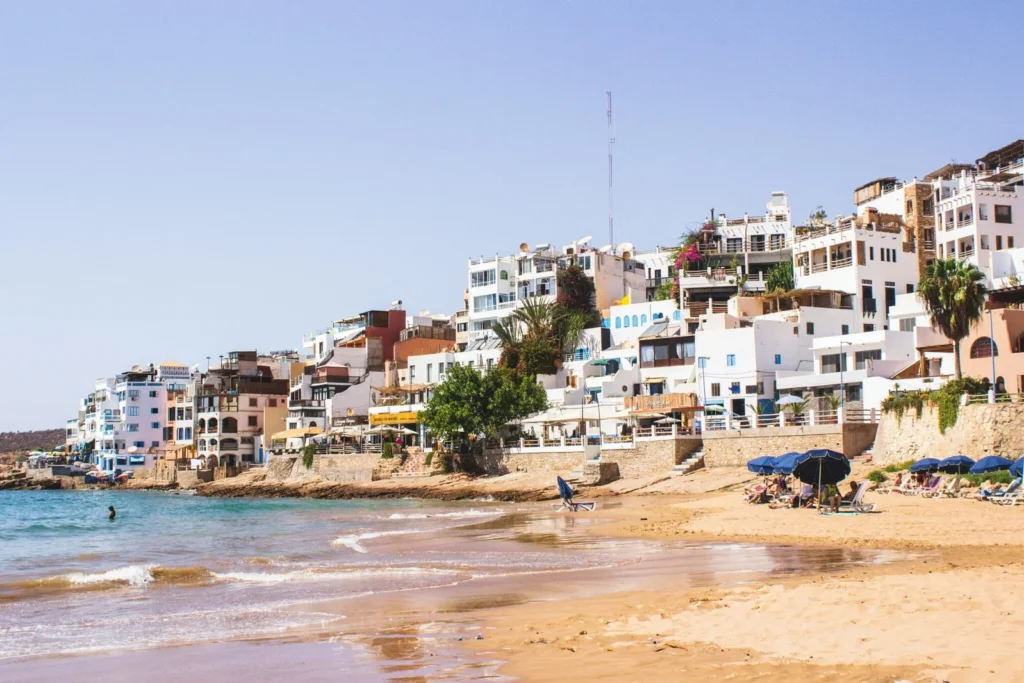
Taghazout is a former fishing village turned surf village, with colorful lanes tumbling down toward the sea. Yes, it has become popular. Yes, there are smoothie bowls and surf schools and laptop people. But it still keeps a village feel, especially if you wander away from the main drag.
Because it was extremely hot inland, we stayed four nights at Adventurekeys, a coworking and coliving space. For us, it was ideal: we could work, surf, and keep the family routine from fully collapsing into sandy chaos.
The family rooms had two separate bedrooms, which is the kind of thing traveling parents appreciate with almost embarrassing intensity. The view was beautiful, and the welcome was excellent.
Best for: surf families, digital nomads, relaxed beach days, and mixing work with travel.
With kids: Choose accommodation carefully. A family room with separate sleeping areas makes a huge difference, especially on longer trips.
Booking tip: Taghazout is popular with surfers, remote workers, and families. If you want sea views or family rooms, book early.
Read: What To Do in Taghazout: Ultimate Taghazout Travel Guide (Surf, Relax, Explore)
Tafraout and the Anti-Atlas: Days 10–11
Leaving the Atlantic coast behind, we drove inland toward Tafraout in the Anti-Atlas.
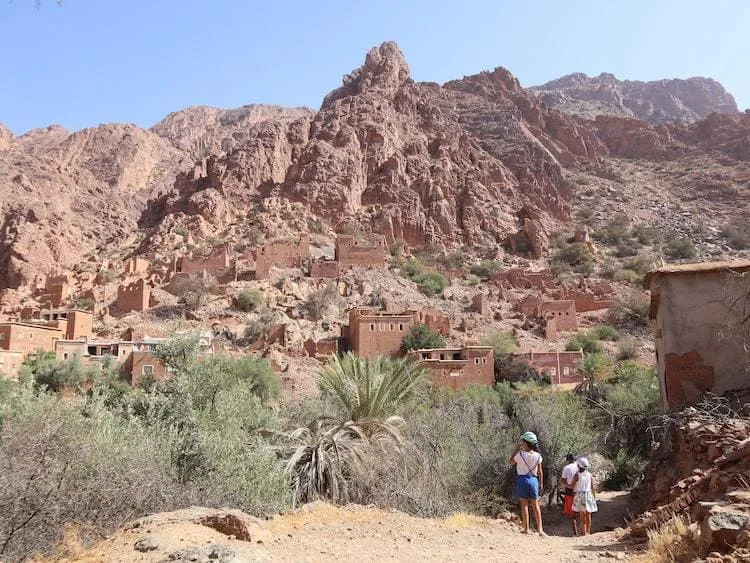
From Agadir onward, the landscape changed completely. The air grew hotter. Houses became rarer. The land turned red. Argan trees appeared, sometimes with goats in them, because Morocco enjoys casually placing goats in trees as if this is normal.
Cacti, red rock, dusty roads, mountain shapes — the drive was superb.
In Tafraout, we found a small campsite. In theory, we planned to pitch the tent. In practice, it was far too hot, so we took rooms instead. This is not failure. This is survival with air circulation.
We visited the village of Oumesnat, the traditional Berber house in Takza, and the famous painted rocks. Walking among those surreal colored boulders at sunset was one of the most beautiful moments of this part of the trip.
Touristy? A little.
Worth it? Absolutely.
Best for: mountain landscapes, Anti-Atlas culture, painted rocks, quiet villages, and families who like scenic drives.
With kids: Go early or late in the day in summer. The heat can be brutal.
Aït Mansour Oasis and Road to Tata: Day 12
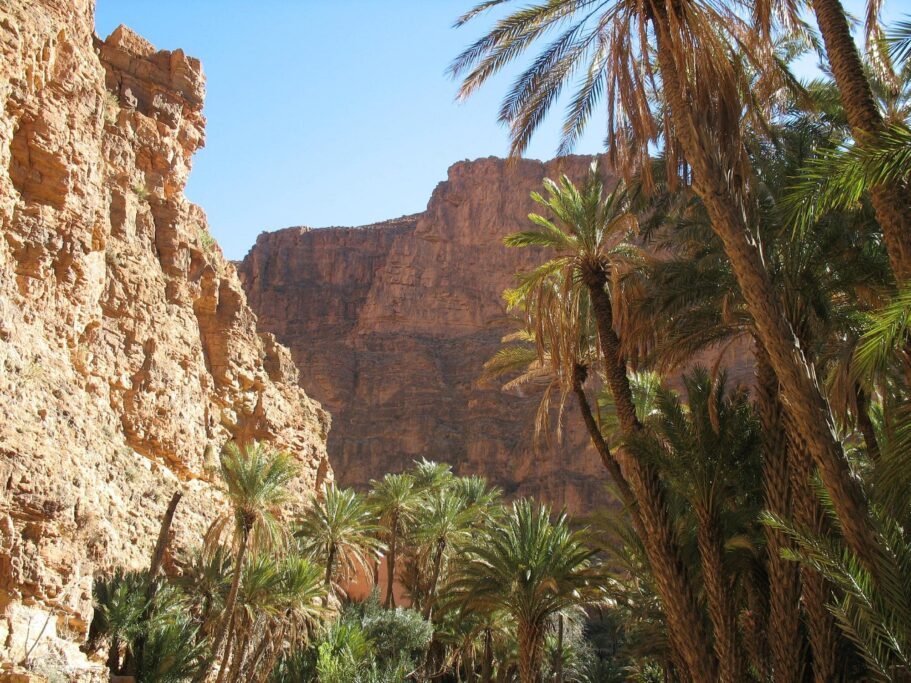
The Aït Mansour oasis felt like magic after the dry red landscapes around Tafraout.
Suddenly: palms, shade, water, green life tucked into the desert-like rock. The contrast is stunning. We stopped for a refreshing swim, which felt less like a swim and more like being resurrected.
We had lunch at Omar Takkadere’s place just outside the oasis on the road toward Tata. Omar was welcoming, warm, and a wonderful cook. We ended up having one of those long, easy conversations that turn a lunch stop into a memory.
Then we continued toward Tata, and the scenery surprised us again. The road felt desert-like, lunar, and wild. We had not expected it to be so dramatic.
We had planned to keep going, but the drive was tiring and the girls needed to move. So we stopped in Tata for the night and spent the evening by the pool. They were delighted. We were relieved. Everyone survived. A glamorous victory.
Tata itself did not win us over. People felt less welcoming than elsewhere, and accommodation was much more expensive than expected. It was not a disaster, but it was not a highlight either.
Good tip: Stop at Omar Takkadere’s place near Aït Mansour Oasis if you can. He was lovely, the food was excellent, and he was planning to add a pool with a slide — which, in that heat, sounds like a public service.
Best for: oasis scenery, dramatic roads, and families who enjoy remote landscapes.
With kids: Break up the drive. The distances may not look terrible on a map, but heat changes everything.
Road to Ouarzazate via Foum Zguid: Day 13
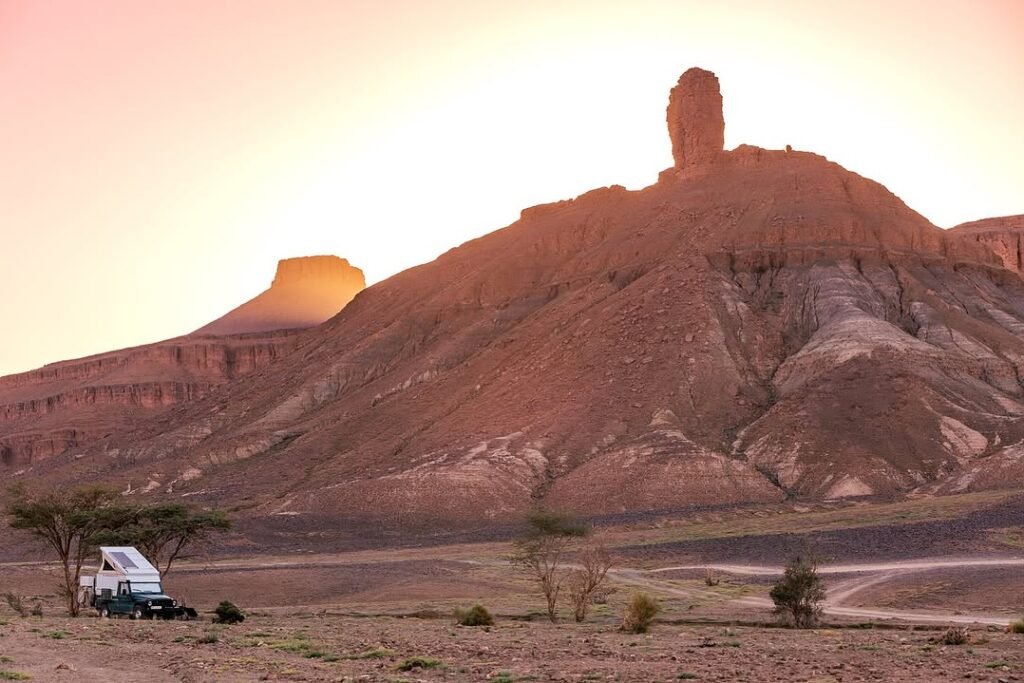
This was our most indecisive day.
We had considered sleeping in the M’Hamid desert and had a contact in Foum Zguid who could organize it. But then we looked at the temperature: 48°C.
Forty-eight.
At that point, the desert did not sound romantic. It sounded like voluntary roasting.
So we ate, swam, reconsidered our life choices, and decided to head toward Ouarzazate instead.
Foum Zguid was still worth the detour for the scenery. The mountains, palm groves, ksars, and empty landscapes were magnificent. We also used the pool at Hotel Bab Rimal, which cost an arm and a leg by Moroccan road-trip standards — but in the middle of nowhere at 48°C, we paid gladly and without dignity.
Best for: desert-edge scenery, ksars, palm groves, and a possible gateway toward desert bivouacs.
With kids: In summer, be very careful with desert plans. The heat is not a cute inconvenience. It can be dangerous.
Ouarzazate and Surroundings: Days 14–15
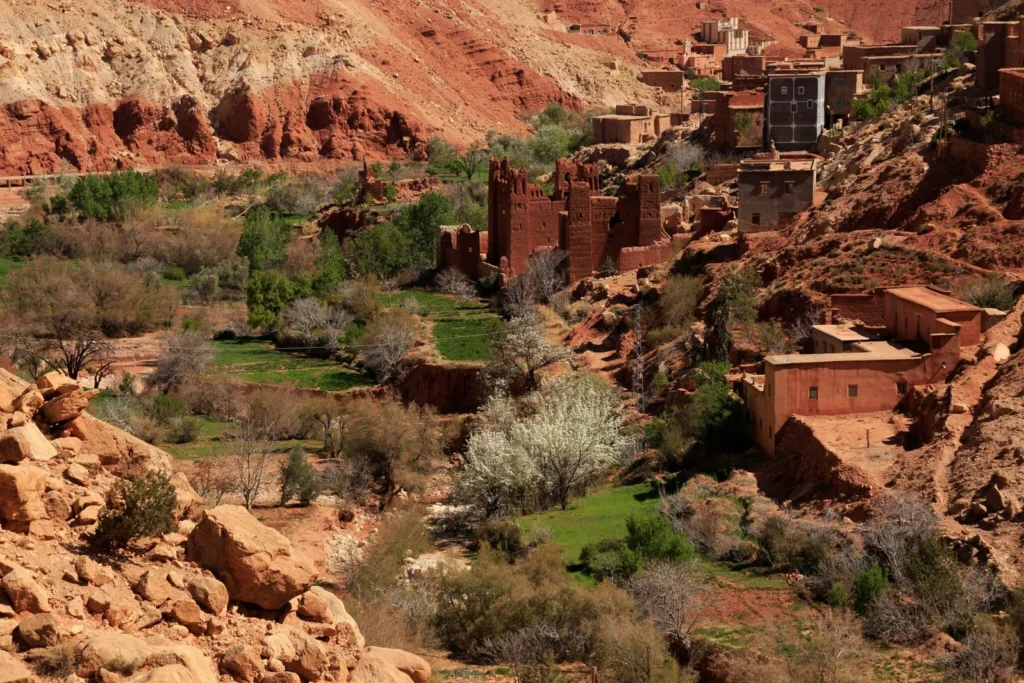
Ouarzazate itself did not completely charm us. It felt functional rather than magical.
But the surrounding area? Fantastic.
We visited the film studios, which are especially fun if you watch Asterix & Obelix: Mission Cleopatra beforehand. The children enjoyed seeing the sets, and adults get to pretend they are above such things while absolutely enjoying them too.
The old town is also worth a visit, but our favorite moment was at Fint Oasis.
We went there in the evening with a picnic. Dusk settled over the palms. Frogs started their concert. We shared food and stories with Amine, a local we met there, and the whole evening became one of the most cherished memories of the trip.
Not because it was spectacular.
Because it was simple and alive.
Best for: film studios, nearby kasbahs, oasis visits, and breaking up the route between the south and the mountains.
With kids: The film studios are a good family activity because they are visual, unusual, and easy to understand even if nobody cares about film history.
Read: 10 Best Things To Do In Ouarzazate: Culture, History, and Thrills
Aït Ben Haddou and Skoura: Day 16
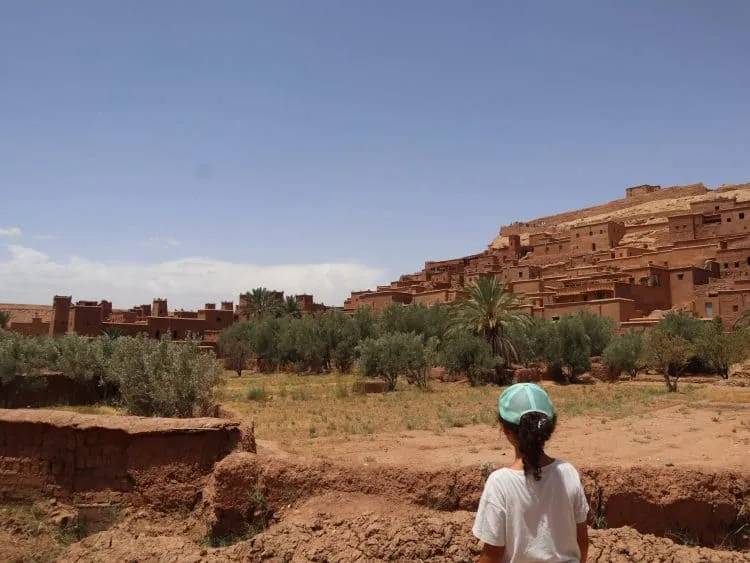
Before reaching Skoura, we visited Aït Ben Haddou.
And yes, it is famous for a reason.
This UNESCO-listed ksar is spectacular, with earthen architecture rising against the desert landscape like a film set — because, conveniently, it has been one many times. In summer, the advantage is that there are fewer crowds. The disadvantage is that the heat wants to personally defeat you.
Still, the visit was beautiful.
Skoura was more of a mixed experience. The palm grove was dry, which is normal in summer, but still a little disappointing when you have imagined lush green shade. We stayed at Kasbah 1 2 3 Soleil, where Sadïa welcomed us warmly. The garden and pool were wonderful, and the food came from the garden.
At the end of the day, we walked through the palm grove. Even dry, it was pleasant to see the small villages and the slower way of life. I imagine it must be truly beautiful when the landscape is greener.
Best for: Aït Ben Haddou, kasbah stays, palm-grove atmosphere, and families who like history with scenery.
With kids: Visit Aït Ben Haddou early or late in summer. Take water, hats, and low expectations for speed. Nobody moves elegantly uphill in heat.
Valley of Roses: Days 17–18
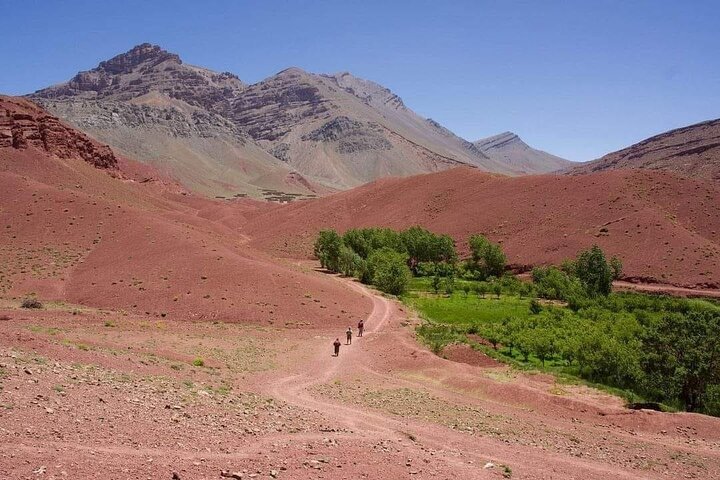
The Valley of Roses was one of the most unforgettable parts of the trip.
First, we made a stop at the Flant oasis, which was honestly less beautiful than the previous ones. Morocco had spoiled us by then. Our standards had become unreasonable.
But then the Valley of Roses opened up, and everything changed.
Red rock. Green vegetation. Blue sky. Mountain curves. Villages tucked into the landscape. Every bend in the road seemed to say, “Yes, take another photo. You are not done yet.”
We drove deeper into the valley until Bou Tharar, our stop for the night.
There, we did two fantastic hikes, including one through the gorges in a Berber 4×4. The landscapes were wild, warm, and cinematic without needing to shout about it.
Our accommodation, Kasbah Chems, was our favorite of the whole trip. The family room was beautiful, with a separate children’s area and a huge bay window overlooking the valley. Breakfast was divine: fruits and vegetables from the garden, local dairy products, and meat. Musical instruments were available, and the owners were delightful.
This is also where we experienced one of our most beautiful memories: an impromptu Gnaoua concert by our host and his friends in the Dadès Valley.
No stage. No ticket. No performance polished for tourists.
Just music, generosity, and one of those moments that quietly stamps itself into your memory forever.
Best for: hiking, mountain scenery, kasbah stays, cultural encounters, and families who want the Morocco beyond the big cities.
With kids: This area is wonderful for active families, but plan hikes carefully around heat and energy levels.
Marrakech: Days 19–20
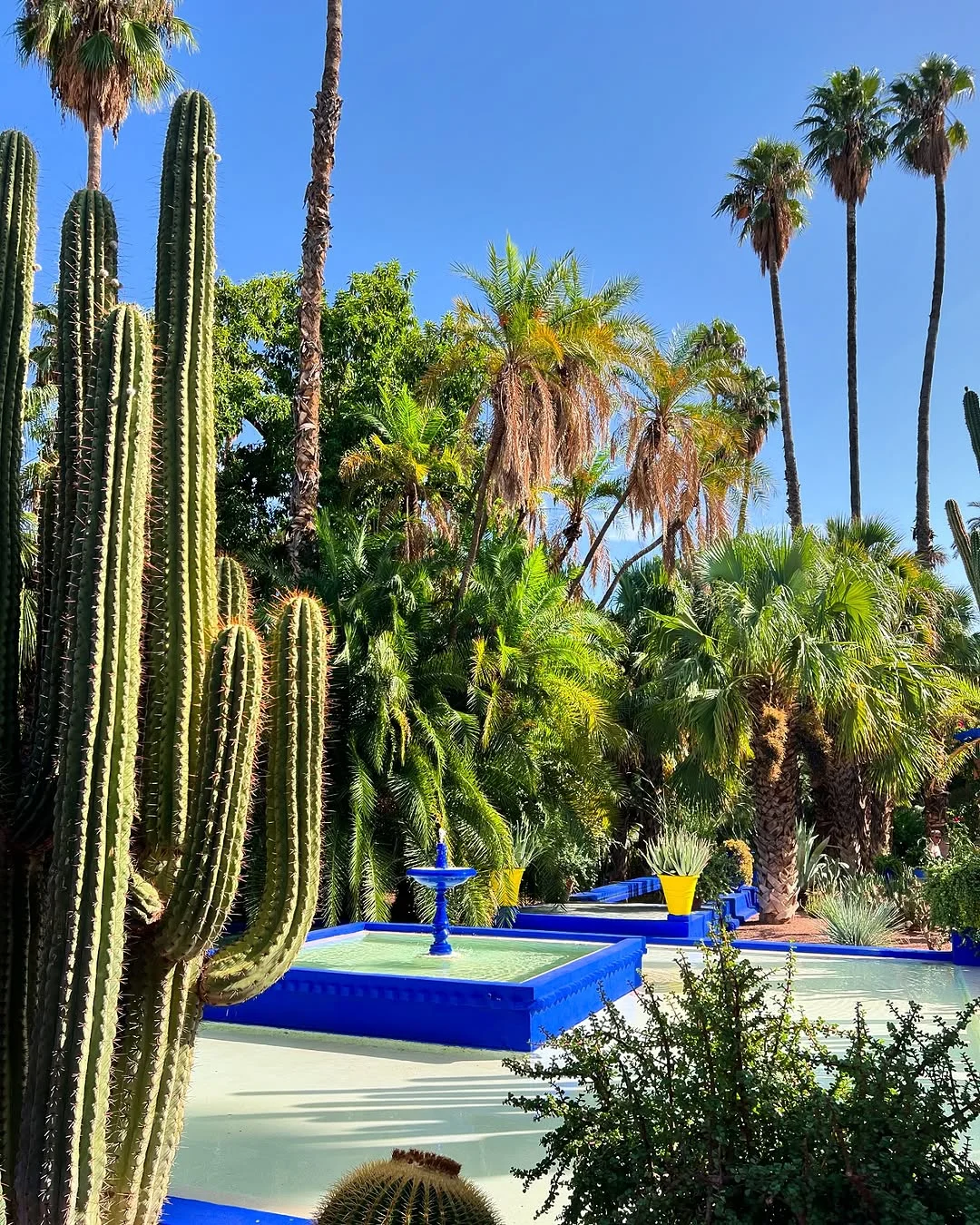
We had not planned to go to Marrakech.
But the Dadès Valley was dry, the desert was too hot, and I woke up completely exhausted. The easiest route back toward Casablanca, with the fewest curves, went through Marrakech.
So Marrakech it was.
We did not attempt a classic sightseeing marathon. No ambitious medina plan. No checklist. No “we must see everything or we have failed as travelers” nonsense.
Instead, we showed our daughters the place where we got married in the palm grove.
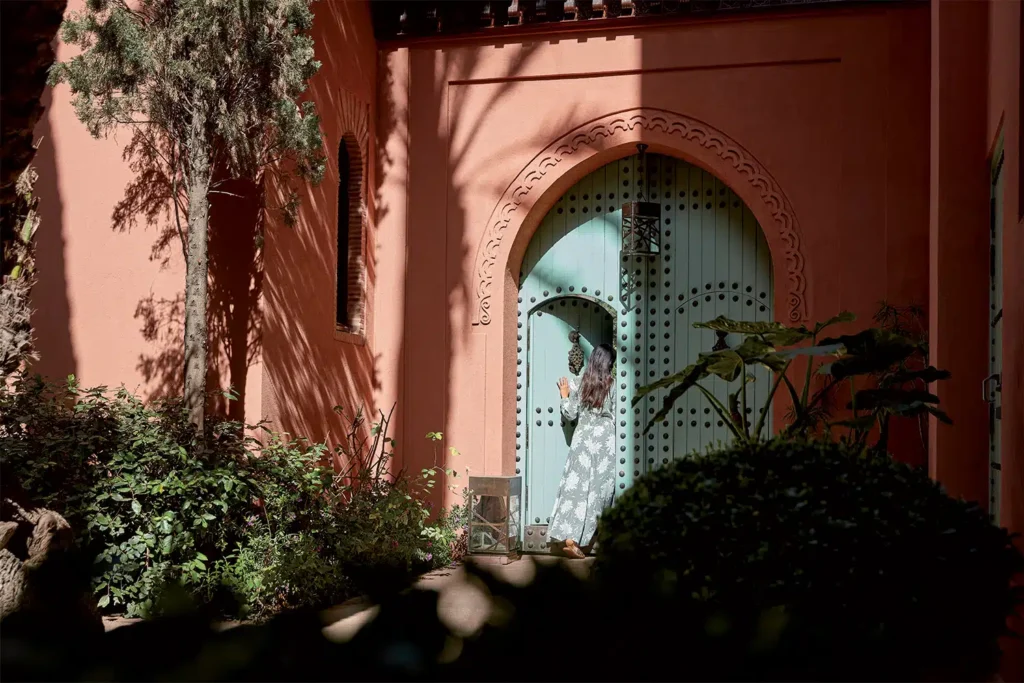
Kasbah le Mirage really does feel like a mirage: terracotta walls, a lovely swimming pool, palm-grove atmosphere, and incredibly attentive staff. We were even upgraded without asking, which is always the best kind of magic.
Best for: a comfortable break, pool time, palm-grove hotels, and families who want Marrakech without diving straight into the busiest areas.
With kids: Marrakech can be intense, especially in summer. A hotel with a pool is not a luxury here. It is strategy.
Read : Marrakech with Kids: The Ultimate Family Adventure Guide
Temara: Days 21–22
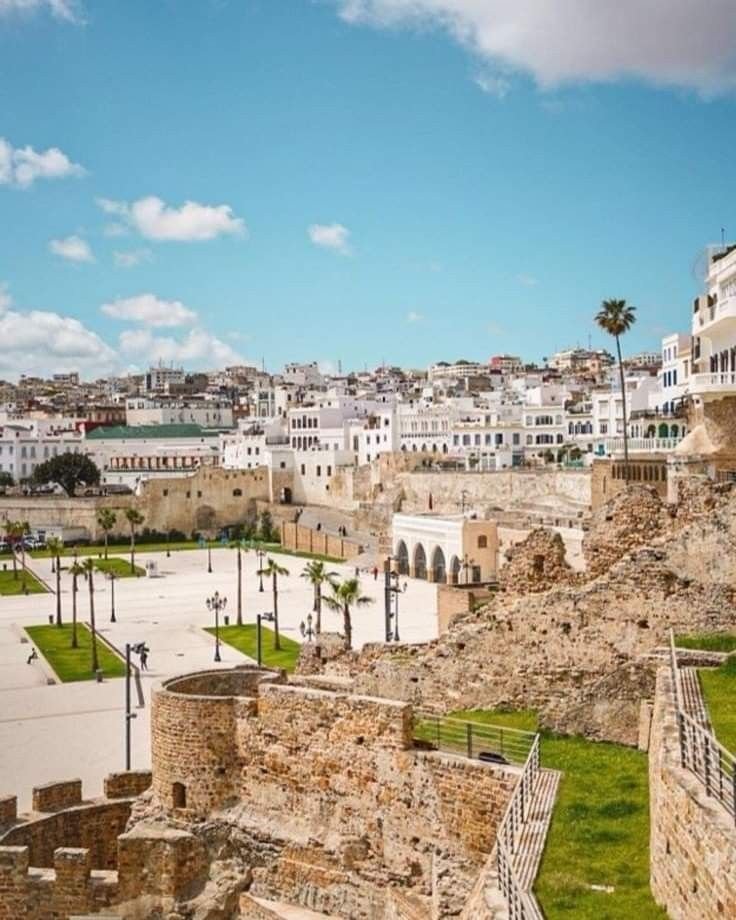
After the heat of the interior, Temara by the sea felt like a deep breath.
The sea was calm, which made it perfect for children. We swam, slowed down, and finally felt the coastal air doing its job.
Sometimes a beach stop is not about activities. It is about letting everyone’s nervous system reassemble itself.
Best for: calm sea, family swimming, and a gentle coast break after inland heat.
With kids: This is a good decompression stop. Do not overplan it.
Casablanca and Return to Tangier: Days 23–25
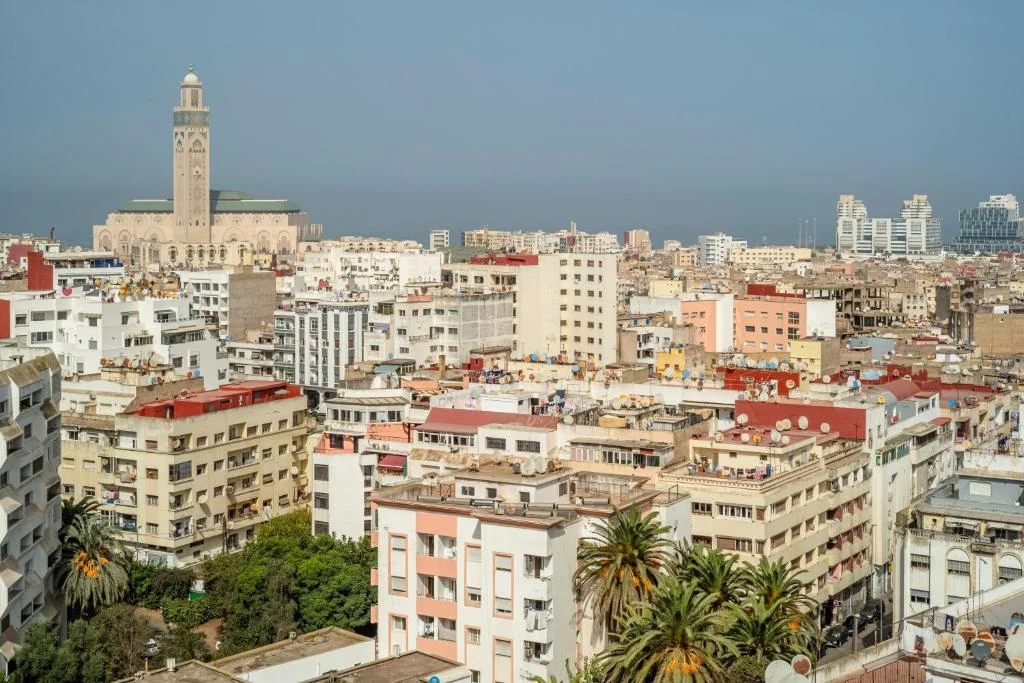
We ended with two days in Casablanca with family.
It gave us time to rediscover the city a little: the Corniche, daily life, family meals, and the Hassan II Mosque, which is absolutely worth seeing. Visiting around prayer time is especially powerful, as you feel the scale and atmosphere of the place in a different way.
Then came the return to Tangier for the ferry.
And here is our strongest ferry tip:
Avoid Tangier Med on the return in summer if you can.
We had a nightmare experience there before: endless passport checks, trunk emptied, vehicle scanning, and three hours of waiting in brutal heat.
By mistake, we went to Tangier Ville for the Tarifa direction instead — and it was a dream by comparison. Nobody there, everything organized, and a much calmer experience.
Sometimes mistakes are travel genius in disguise.
Kid-Friendly Accommodation in Morocco
A few things we learned quickly: in summer, a swimming pool is essential. Not nice. Not optional. Essential.
In remote areas, we often found pool accommodation spontaneously. In more popular places, it is better to book ahead, especially if you need a family room.
Moroccan accommodation owners were generally very flexible with families. Asking for a double room and adding a mattress on the floor was often no problem.
Our Tried-and-Tested Morocco Family Hotels
Tafraout — Hotel L’Arganier d’Ammelne
Beautiful garden, pleasant swimming pool, and the option to eat on the ramparts with a view. A good base for exploring Tafraout and the Anti-Atlas.
Valley of Roses, Bou Tharar — Kasbah Chems
Our favorite stay of the trip. The family room had a separate children’s area and an enormous bay window overlooking the valley. Breakfast was excellent, with produce from the garden. Musical instruments, kind owners, and a magical atmosphere.
Taghazout — Adventurekeys
A coworking and coliving space that worked very well for us as a family. The family rooms had two separate bedrooms, the view was lovely, and the welcome was excellent.
Ouarzazate — Hotel Riad Amlal
Riad-style accommodation with family rooms, a separate parent area, breakfast included, and a small pool for cooling off.
Skoura — Kasbah 1 2 3 Soleil
A warm welcome from Sadïa, a beautiful garden, a lovely swimming pool, and food from the garden. A peaceful stop in Skoura.
Foum Zguid — Hotel Bab Rimal
A beautiful hotel with an incredible pool in the middle of nowhere. Expensive compared with our usual Morocco budget, but very welcome in extreme heat. They can also organize desert bivouacs toward M’Hamid.
Marrakech — Kasbah le Mirage
A terracotta kasbah in the palm grove, with a beautiful swimming pool and attentive staff. This place is personally special to us because we celebrated our wedding there.
How to Travel Around Morocco with Kids
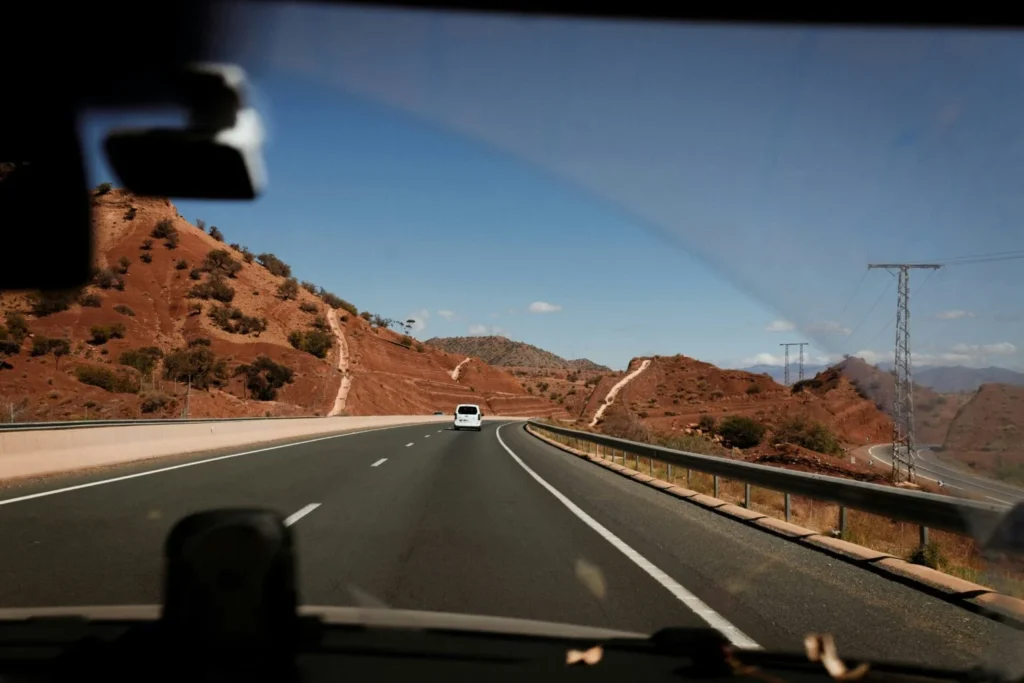
We traveled through Morocco in our own car, road-trip style.
The highways were generally in excellent condition, though you always need to watch for pedestrians crossing. Secondary roads were also better than we expected. Driving in Morocco was not as aggressive or chaotic as we had imagined before the trip.
That said, there are a few things to know.
Read: Driving in Morocco: A complete guide, tips and practical advice for an unforgettable road trip
Police Checkpoints
Police checkpoints are common and marked with signs.
Always come to a complete stop. Not a rolling stop. Not a vague slow-down with hopeful eye contact. Stop properly.
If you do not, you give the police an easy opportunity to fine you.
Parking in Moroccan Towns
Parking was usually easy. In many towns, informal parking attendants help you find a spot and keep an eye on the car.
Expect to pay around 2 to 5 dirhams.
Taxis with a Family
We had planned to use taxis in cities, but small taxis usually take a maximum of three passengers. Since we were traveling as a family of four, we often ended up using our own car instead.
Ferry Tips
Book your ferry crossing in advance, especially in summer.
On the return, consider Tangier Ville toward Tarifa instead of Tangier Med if it fits your route. Our Tangier Ville experience was much smoother and better organized.
Morocco Family Road Trip Budget
Morocco is one of the most affordable destinations we have visited as a family.
You can eat very well for little money, find simple family rooms at reasonable prices, and enjoy many low-cost activities — especially if you are happy with local restaurants, road stops, markets, swimming, hikes, beaches, and wandering.
Here are some prices from our trip.
| Item | Price |
|---|---|
| Vegetarian tagine | 25–30 Dh, around €2.50 |
| Meat tagine | 30–35 Dh, around €3 |
| Large tagine for 4 | Usually enough and very affordable |
| 4 couscous dishes in a roadside eatery | 90 Dh, around €9 |
| Most expensive meal | 500 Dh, around €50 in Foum Zguid, with pool access included |
| Street breakfast for 4 | 70 Dh, around €7, very generous |
| Family room for 4 | Around 300 Dh, around €30 per night on average |
| More expensive room | 600 Dh, around €60 in Tata |
| Fuel | Around 150–170 Dh for a full tank |
Our best budget tip: order one large tagine for four people instead of four individual tagines. It is often plenty, and it keeps costs low.
Also, do not underestimate the value of accommodation with a pool in summer. It might cost a little more, but it can completely change the mood of the day.
When Is the Best Time to Visit Morocco with Kids?
| Season | Atlantic Coast | Inland / Anti-Atlas | Desert | Family Verdict |
|---|---|---|---|---|
| March–May | 18–24°C, ideal | 25–35°C, pleasant | 30–40°C, possible | Best overall |
| June–August | 20–26°C, cool on the coast | 35–48°C, extremely hot | 45°C+, dangerous | Coast only |
| September–November | 20–26°C, ideal | 25–35°C, pleasant | 30–38°C, possible | Excellent |
| December–February | 14–18°C, cool | 15–25°C, cold at altitude | 20–30°C, mild | Good if you do not mind cooler weather |
We traveled in summer, and our conclusion is simple: stay mostly on the Atlantic coast if you visit Morocco with kids in July or August.
Essaouira and Taghazout stayed cool and pleasant, even in the middle of summer. Inland Morocco was beautiful, but the heat was intense. In places like Foum Zguid, Tata, and the desert-edge regions, it can become too much very quickly.
For a full Morocco family itinerary including the coast, mountains, desert, and cities, spring and autumn are the best seasons.
Final Thoughts on Visiting Morocco with Kids
Morocco with children is not always easy.
It is hot. Drives can be long. Plans change. Places you expect to love may disappoint you, and random stops you barely planned may become the memories everyone keeps repeating years later.
But Morocco is also generous, dramatic, affordable, and full of life. You can surf in Essaouira, walk through red-rock valleys, swim in oasis water, hear music in a kasbah, eat tagine for a few euros, and watch your children discover a country that refuses to be boring.
Would we do this road trip again?
Yes — but not exactly the same way.
We would spend more time on the Atlantic coast in summer, avoid the hottest inland sections in August, and save the desert for spring or autumn. We would still return to Essaouira, Taghazout, Tafraout, Aït Mansour, and the Valley of Roses without hesitation.
Because Morocco, when it works, really works.
And when it does not? Well, there is usually a pool somewhere. And mint tea. And someone telling you to stay just five more minutes.
Our favorite and must-see places in Morocco for families
- Essaouira was a hit with our family. Counting cats in the medina, weaving between seagulls at the fish market, horseback riding at sunset on the beach, surfing the gentle waves, strolling through the stunning, almost entirely pedestrianised medina… It’s the destination not to be missed, especially in the summer when it’s cool.
- Taghazout — the small, colorful fishing village turned surfer’s haven, with its refreshing swim in the Atlantic—relaxed atmosphere, perfect for a few days’ getaway.
- Tafraout and the Anti-Atlas — scrambling over the colorful rocks at sunset, discovering the traditional Berber house, and above all the road that leads there from Agadir: red earth, argan trees with goats, cacti. Sublime.
- The track between Tafraout and Tata — absolutely incredible lunar landscapes. We weren’t expecting it at all, and it’s one of our most beautiful road trip memories.
- The oasis of Aït Mansour — swimming in the gorges amidst a desert and red landscape. Magical.
- The Fint oasis (near Ouarzazate) — a picnic at dusk, frogs croaking in the background, and anecdotes from Amine, a local with whom we shared our lunch. The Ouarzazate film studios are also worth a visit (especially if you’ve rewatched Asterix & Obelix: Mission Cleopatra beforehand).
- The Valley of Roses — the most spectacular scenery of the trip. The red rock, the vegetation, the hikes through the gorges in a “Berber 4×4.” And the exceptional welcome from our host with his impromptu Gnawa concert — the most moving memory of our road trip.
- The Hassan II Mosque in Casablanca — one of the largest mosques in the world, best visited during prayer times. Impressive.
- To imagine oneself as a Bedouin on a camel in the palm grove of Marrakech, with the Atlas Mountains sparkling in the distance.
- Swimming in Tamares — the sea is calm, perfect for children after the heat of the interior.
- Sleeping in the desert (weather permitting) — we couldn’t because of the heatwave, but it’s the ultimate Moroccan experience. Aim for spring or autumn for M’Hamid or Merzouga.
- Perfect Morocco with kids Itinerary (2026): 25 Days from Tangier to the Anti-Atlas, Coast, and MarrakechThe ferry doors opened, Morocco appeared ahead of us, and there we were: full of road-trip optimism, snacks, children, luggage, and the foolish belief that our first day would be simple. Morocco laughed politely. A wildfire had closed the highway. We ended up crawling along a secondary road near Asilah, ash landing on the windshield,… Read more: Perfect Morocco with kids Itinerary (2026): 25 Days from Tangier to the Anti-Atlas, Coast, and Marrakech
- Where To Stay In Agafay Desert in 2026: Luxury Moroccan Holidays
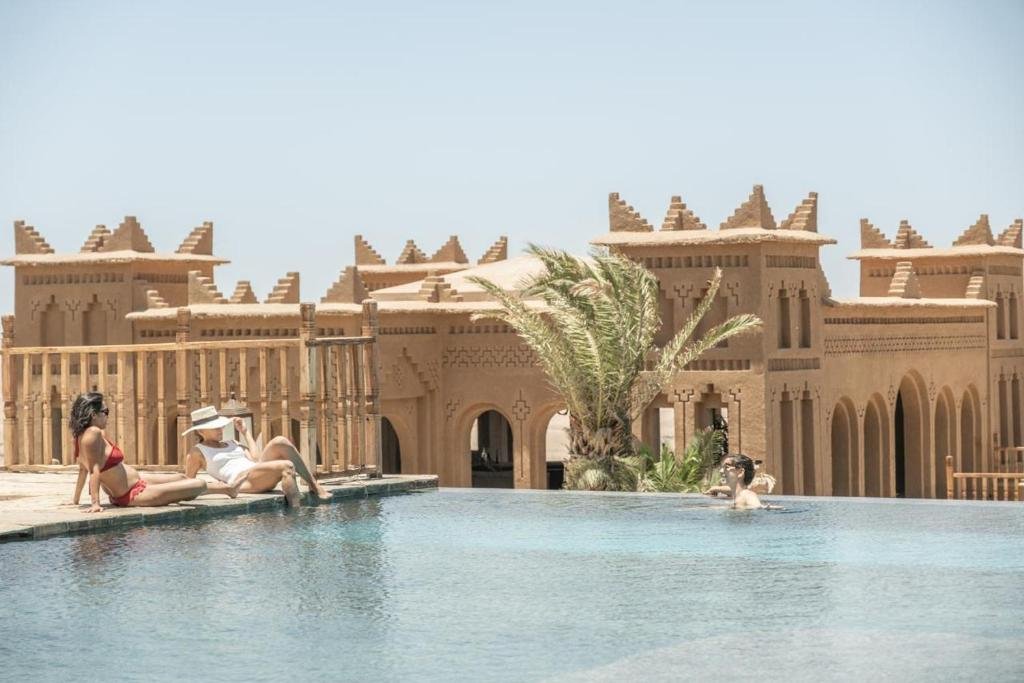 There is a moment on the road out of Marrakech when the city starts to fall away. The scooters, souks, perfume stalls, mint tea, and busy streets slowly give way to dry hills, open sky, and pale rocky land. Then Agafay appears: quiet, wide, and almost lunar, with the Atlas Mountains often sitting in the… Read more: Where To Stay In Agafay Desert in 2026: Luxury Moroccan Holidays
 - 14 Most Beautiful Beaches In Morocco (2026)
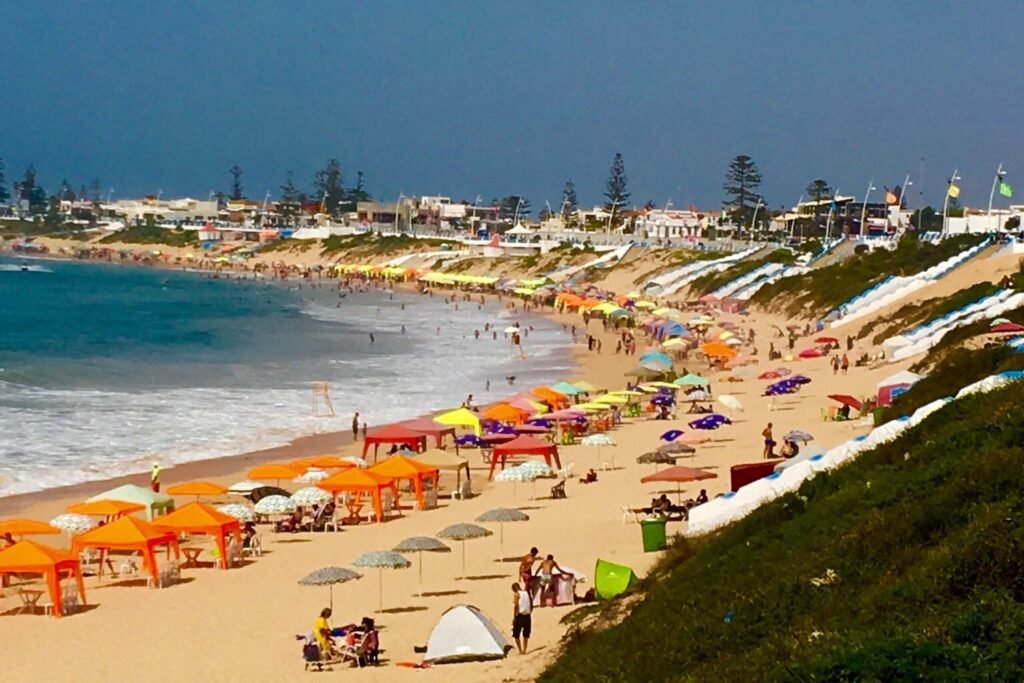 If Morocco had decided to show off, it could hardly have done it better than with itsmost beautiful beaches in Morocco. Framed by both the Atlantic Ocean and the Mediterranean Sea, the country stretches across roughly 3,500 kilometres of shore, where long sandy beaches, hidden coves, surf towns, lagoons, and seaside resorts appear one after… Read more: 14 Most Beautiful Beaches In Morocco (2026)
 - What To Wear In Morocco (2026): Real-World Travel Guide For Female Travellers
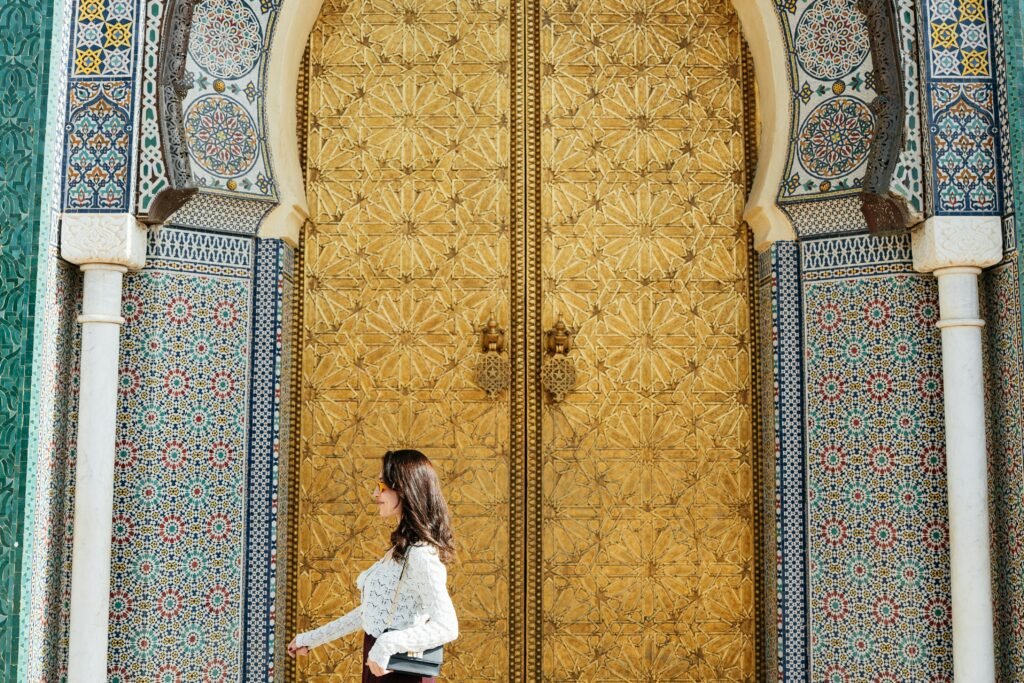 What to wear in Morocco? It is one of those questions that appears endlessly in travel forums, usually somewhere between “Do I need a headscarf?” and “Will shorts cause a diplomatic incident?” The anxiety is understandable: Morocco is a Muslim country, and many travelers arrive unsure whether they need to dress from neck to ankle… Read more: What To Wear In Morocco (2026): Real-World Travel Guide For Female Travellers
 - 3 Best Places To Stay in Marrakech Medina [2026 Updated]
 For an authentic experience in Marrakech, the Medina is your go-to destination. Spanning over 700 hectares, this maze-like treasure is the heart of the city’s culture and history. Discover the 3 best places to stay in Marrakech Medina, where charm, tradition, and hospitality come together for an unforgettable stay. ➡️Looking for the best things to… Read more: 3 Best Places To Stay in Marrakech Medina [2026 Updated]