

Travel writing based on first-hand experience
The first thing you notice in a Cairo market might be the sound: a metalworker tapping away behind a shopfront, someone calling out the price of spices, and a dozen sales pitches competing with the afternoon traffic. Then come the colours. Glowing lanterns, embroidered textiles, trays of hibiscus flowers, and jewellery that makes you consider checking the weight limit on your suitcase.
But what to buy in Cairo? Not every souvenir deserves a place in your bag. Some are beautifully made, some are wonderfully inexpensive, and some are the same mass-produced tourist tat you could find anywhere. We have narrowed it down to the Egyptian souvenirs worth looking for, where to buy them, what to check before paying, and how to bargain without turning shopping into a competitive sport.

Short answer: Our top three buys are hand-stitched khayamiya textiles, a personalised silver cartouche, and fragrant spices or karkade (dried hibiscus). If you have room in your luggage, add a beautiful brass lantern or hand-painted papyrus. For a one-stop shopping trip, start at Khan el-Khalili; for something more distinctive, continue to the Tentmakers’ Street.
Table of Contents
What To Buy in Cairo: Quick Comparison of the best souvenirs
| What to buy | Best place | Typical cost level |
|---|---|---|
| Khayamiya cushion covers or wall hangings | Tentmakers’ Street, near Bab Zuweila | $$–$$$ |
| Silver cartouche pendant | Established jewellers in Khan el-Khalili | $$–$$$ |
| Spices, hibiscus and tea | Spice merchants in Islamic Cairo | $ |
| Brass lanterns and copper trays | Khan el-Khalili and metalwork lanes | $$–$$$ |
| Perfume oils and glass bottles | Specialist perfume shops around Khan el-Khalili | $–$$ |
| Egyptian cotton towels and linens | Dedicated textile retailers | $$–$$$ |
| Hand-painted papyrus | Reputable papyrus galleries | $$ |
| Mother-of-pearl boxes | Craft stalls or artisan workshops | $$–$$$ |
| Alabaster ornaments | Stone-carving and craft shops | $$ |
| Ceramics, embroidery and woven crafts | Souq el-Fustat, Old Cairo | $$–$$$ |
| Vintage clothing and fabric | Wekalet el-Balah or Ataba | $–$$ |
| Dates, sweets and edible gifts | Food shops and established grocers | $–$$ |
What to buy in Cairo: 12 Best Egyptian Souvenirs
1. Khayamiya Textiles: The Most Distinctive Souvenir
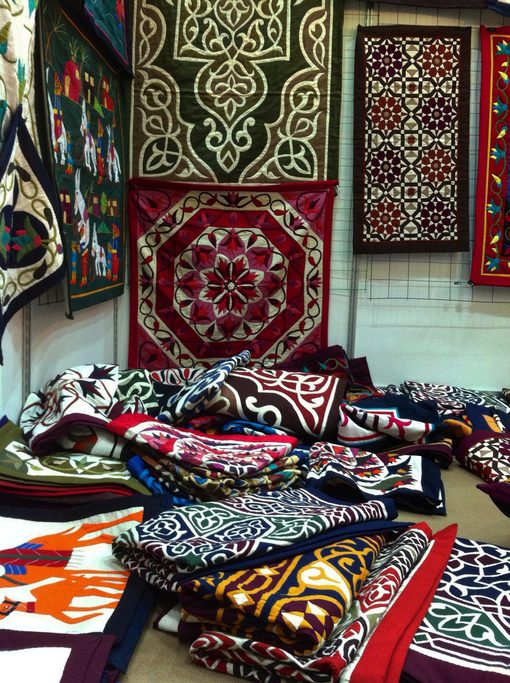
For a souvenir that feels unmistakably Egyptian, we would put khayamiya right at the top of the list. This colourful appliqué art was traditionally used to decorate tents and festive spaces. Today, artisans turn the same technique into cushion covers, table runners, wall hangings and large textile panels.
The best place to buy it is Souk al-Khayamiya (the Street of the Tentmakers), just south of Bab Zuweila. Step into the covered street and you will see brilliant geometric patterns and figurative designs hanging from the shopfronts. Some makers stitch the pieces on-site.
What to check: Look at the reverse of the fabric. A genuine appliqué piece should have stitching and individually attached shapes rather than a flat printed design. Larger, densely stitched panels can take considerable time to finish, so do not expect artisan prices to match factory-made cushion covers.
Best for: Design lovers, thoughtful gifts and anyone who wants a souvenir they will actually use at home.
2. A Personalised Silver or Gold Cartouche
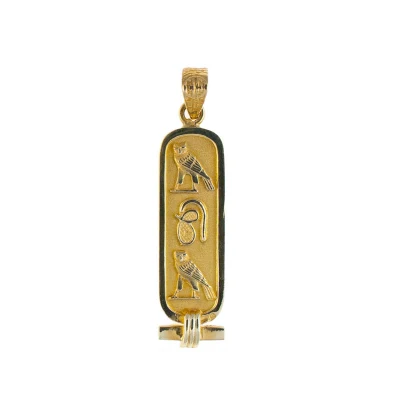
A cartouche pendant is one of the classic things to buy in Cairo, and unlike a plastic pyramid fridge magnet, it can become a genuinely personal keepsake. The elongated oval is inspired by the frames surrounding royal names in ancient Egyptian inscriptions. Jewellery shops can make a modern pendant using a name or initials represented with hieroglyph-inspired characters.
Choose silver if you want the best balance of price and quality. Look for sterling silver marked 925, or ask about the purity of gold if you are spending more. Have the jeweller explain the metal weight, workmanship charge and engraving before you agree to the price. For valuable pieces, ask for a detailed receipt. A hallmark alone is not a complete guarantee of authenticity.
Where to buy: Established gold and silver jewellers in and around Khan el-Khalili. Check a couple of shops rather than buying from the first persuasive salesperson.
Best for: A small, easy-to-pack personalised gift, especially if you prefer souvenirs you can wear.
3. Egyptian Spices, Dried Hibiscus and Tea
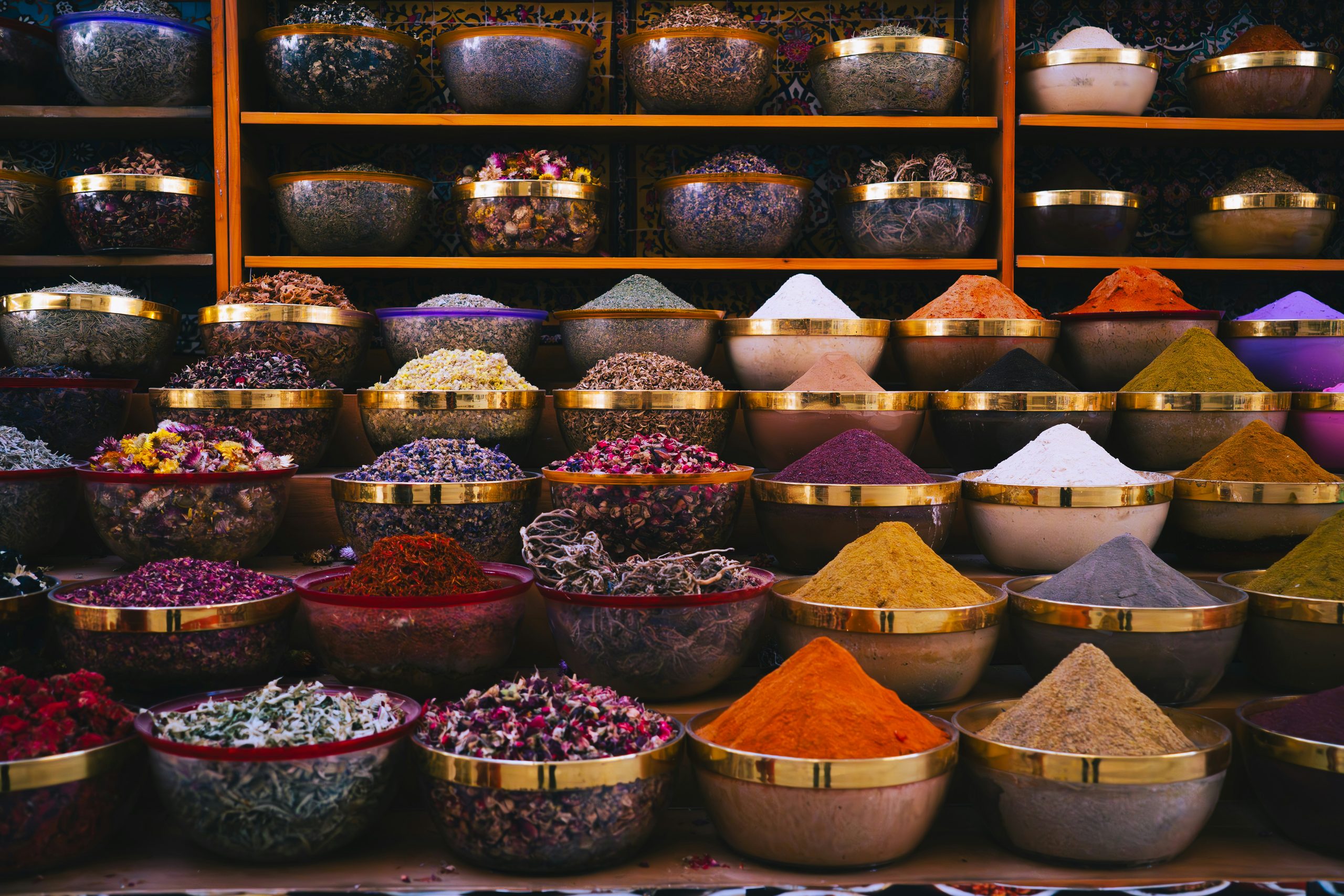
If you travel with hand luggage only, spices and dried hibiscus are among the smartest Cairo souvenirs. They take little space, cost less than most decorative crafts and let you bring a little of Egypt’s kitchen home.
Look for karkade (dried hibiscus petals for a ruby-red drink), fragrant cumin, coriander, cardamom, nigella or black seed, dried mint, and freshly ground spice mixes. Ask the seller whether a blend is intended for grilled meats, vegetables or soups; the name and ingredients can vary from stall to stall.
Buying tip: Choose dry, clean-looking products with a strong natural aroma. Ask for the price by weight before the vendor starts filling a bag. For international travel, sealed, clearly labelled products are easier to carry and declare; check your home country’s food and plant-import rules before packing seeds or loose herbs.
Best for: Cheap gifts, enthusiastic cooks and souvenir shopping on a small budget.
4. Brass Lanterns and Hand-Worked Copperware
Those glowing lantern shops are one of the reasons a late-afternoon wander around Khan el-Khalili is so tempting. Brass lanterns, pierced-metal lamps, copper trays and small coffee pots are beautiful options if you want a piece of Cairo’s market atmosphere in your home.
Before paying, inspect the seams, edges and metalwork. A handmade item may show slight irregularities; a very light stamped piece may be mass-produced. If you are buying a lamp, ask whether it is meant for candles or electricity, and do not assume Egyptian wiring will be compatible with sockets or safety standards at home.
Where to buy: Khan el-Khalili and the nearby lanes with metalworkers and traditional craft merchants.
Best for: Home decor. Choose a small lantern or shallow tray if luggage space is tight.

5. Perfume Oils and Decorative Glass Bottles
Cairo’s perfume shops can feel like a little theatre: rows of scented oils, ornate bottles and a vendor who has a fragrance for absolutely every mood. Popular notes include jasmine, rose, amber and musk-inspired blends. The charming miniature glass bottles are often as attractive as the contents.
Take your time smelling the oils, and try a small amount on skin only if you are comfortable doing so. Do not rely on thickness or evaporation alone to prove that an oil is pure or natural. Those are not reliable authenticity tests. If ingredients, concentration or sensitivity matter to you, choose a shop that can give you proper product information.
Where to buy: Specialist perfume retailers in Khan el-Khalili or established fragrance shops elsewhere in Cairo.
Best for: Small gifts that feel luxurious without taking up much space. Pack glass bottles in a sealed bag and remember airline liquid restrictions.
6. Egyptian Cotton Towels, Bedding and Scarves
Egyptian cotton has a worldwide reputation, but not every towel or sheet labelled “Egyptian” is made from Egyptian-grown cotton. For quality linens, we would skip the souvenir stall and go to a proper textile retailer where you can inspect the label, composition, finish and stitching.
Towels, pillowcases, lightweight scarves and bed linens are practical purchases. Feel the fabric rather than making a decision based only on a high thread-count claim; weave, finishing and fibre quality matter too.
Where to buy: Dedicated textile shops and reputable homeware retailers in Downtown Cairo, Zamalek or modern shopping centres.
Best for: Useful souvenirs and gifts for people who would rather have a beautiful towel than another decorative camel.
7. Hand-Painted Papyrus Art
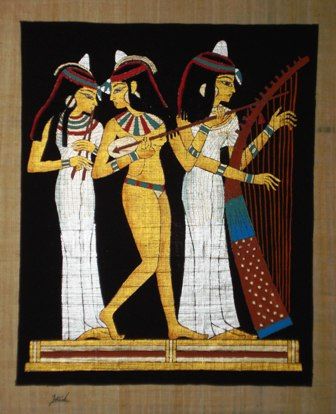
A little papyrus painting makes an excellent travel souvenir: it lies flat, fits inside a poster tube and adds a very Egyptian note to a room. Traditional scenes, stylised lotus flowers and modern designs are all easy to find in Cairo.
The catch is that some budget products are printed rather than hand-painted, and some are not made from papyrus at all. Real papyrus is made from overlapping strips of the papyrus plant, usually laid in crossing directions. Ask the shop to explain how the paper was made and whether the artwork is painted or printed. A certificate from a seller is not by itself proof of authenticity.
Where to buy: Specialist papyrus galleries with clear information about materials and technique. Compare work carefully before paying premium prices.
Best for: Art lovers and anyone looking for lightweight wall decor.
8. Mother-of-Pearl Inlaid Boxes
Small wooden boxes with mother-of-pearl inlay are among the most elegant souvenirs in Cairo. They work beautifully for jewellery, watches, desk accessories or the random collection of little things that otherwise lives in a drawer.
Look for neat joins, a lid that closes properly and pieces of inlay fitted into the surface rather than a printed imitation. The more intricate the workmanship, the more the price is likely to rise.
Where to buy: Established handicraft stalls around Khan el-Khalili or specialist artisan shops.
Best for: Housewarming gifts, small luxury souvenirs and people who appreciate traditional craft.
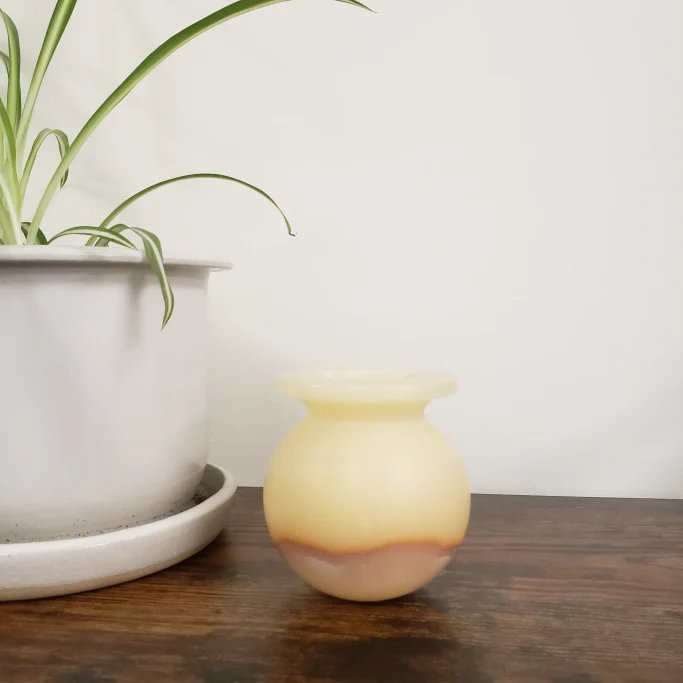
9. Small Alabaster Vases and Stone Ornaments
Egyptian alabaster makes lovely small vases, bowls, tealight holders and decorative objects. The translucent stone can have a warm glow when light passes through it, although colour and translucency vary by the material and finish.
Check for chips and cracks, and ask whether the piece is natural stone or cast material. Avoid assuming a carving is ancient because it looks weathered: souvenir-shop pieces should be sold as modern decorative work.
Where to buy: Craft shops and stone-carving retailers. If buying a fragile item, request careful wrapping and carry it in cabin luggage if permitted.
Best for: A small design souvenir that feels more substantial than the usual trinket.
10. Handmade Pottery, Embroidery and Woven Crafts
For something beyond the usual tourist circuit, Souq el-Fustat in Old Cairo is worth adding to your shopping route. The craft-focused market is a quieter place to browse pottery, embroidered goods, jewellery and textiles. It is a good alternative when you want to look carefully without the constant interruptions of a crowded souk.
Selection and opening hours vary between individual sellers, so treat it as a daytime craft stop rather than expecting every workshop to be open on demand. If you see something you love, ask who made it and what materials were used.
Best for: Handmade gifts, pottery lovers and travellers who dislike aggressive bargaining.

11. Vintage Clothing and Fabric
If you would rather hunt for a vintage jacket than a pharaoh statuette, Cairo has places for that too. Wekalet el-Balah in the Bulaq area is known for clothing and fabrics, while Ataba is useful for everyday textiles and household goods. The appeal is in searching through unpredictable stock; it is not a polished boutique experience.
Bring patience, look closely at seams and marks, and make sure you know whether a seller is quoting per metre or per piece. Not everything described as vintage is genuinely old, but that matters less when you are buying something because you actually like it.
Best for: Budget shoppers, fabric lovers and anyone who enjoys a proper treasure hunt.
12. Dates, Traditional Sweets and Other Edible Gifts
Not everyone wants another object to dust. For edible souvenirs, look for dates, packaged Egyptian sweets, nuts and good-quality tea in established grocers or sweet shops. They are easy to share and rarely require the packing gymnastics of a ceramic vase.
Choose products with clear ingredients and expiry dates, especially if you are buying for someone with allergies. Pack sticky sweets securely, and check import restrictions for any food you plan to take across borders.
Best for: Colleagues, friends and last-minute gifts.
Where to Shop in Cairo: The Best Markets and Neighbourhoods
Khan el-Khalili: Best All-Round Cairo Market
If you only have time for one traditional shopping area, make it Khan el-Khalili. This historic bazaar in Islamic Cairo is the obvious place for lanterns, metalwork, jewellery, perfumes, small crafts and souvenir browsing. It is busy, beautiful and a little relentless — but that is part of the experience.
The shops on the most visited lanes are not automatically bad, but comparison shopping matters. Wander into adjoining streets, ask about materials and compare prices before committing. If you are overwhelmed by vendors, take a break for tea at the famous El-Fishawy Café.
How to get there: A ride-share or taxi can bring you near the Al-Hussein Mosque entrance to the bazaar. If using the metro, Bab El Shaaria on Line 3 or Ataba on Lines 2 and 3 can be starting points for a longer walk through the district. Check the walking route on your map before setting off; these stations are not beside the market.
Time needed: Allow around 2–3 hours for browsing and a café stop. Some shops open late into the evening, but individual hours vary, particularly on Fridays, holidays and during Ramadan.

Souk al-Khayamiya: Best for Traditional Textile Art
Near Bab Zuweila at the southern end of historic Islamic Cairo, the Tentmakers’ Street is our first choice for something genuinely distinctive. The covered passage is lined with appliqué panels and workshops, and it is easy to combine with the architecture of Al-Muizz Street.
Time needed: Around 30–60 minutes to browse, longer if you want to watch the artisans or commission a piece. The walk from Khan el-Khalili is best treated as a leisurely sightseeing route, not a fixed 15-minute transfer.
Souq el-Fustat: Best for Quieter Craft Shopping
Head to Old Cairo for handmade ceramics, textiles and other artisan goods. This is a natural addition to a day visiting the churches and historic sites of Coptic Cairo, but check the exact market entrance and your route beforehand rather than assuming it is directly beside every monument.
How to get there: Mar Girgis on Metro Line 1 serves Coptic Cairo; continue to the market by an appropriate walking route or a short car journey depending on where you start. Allow about an hour to browse.
Ataba: Best for Cheap Fabric and Everyday Shopping
The streets around Ataba Square are a working shopping area rather than a souvenir market. Expect fabric, clothing, small household goods and lots of people getting on with ordinary shopping. It is lively and often crowded.
How to get there: Ataba Metro station, Lines 2 and 3. For fabric, ask a few sellers about fibre content, width and the price per metre.
Wekalet el-Balah and Souq el-Gomaa: Best for Treasure Hunters
Wekalet el-Balah in Bulaq is the place to browse second-hand clothes and fabrics. Souq el-Gomaa, the sprawling Friday flea-market scene associated with the Imam al-Shafi’i area, is a much more chaotic prospect, with household objects and second-hand finds of wildly varying quality. Locations and vendor concentrations can change, so confirm where stalls are trading before travelling.
These are better for confident, patient shoppers than for a first Cairo market outing with small children. Do not buy objects claimed to be excavated antiquities, and remember that Egypt strictly regulates the sale and export of cultural property.
How to Bargain in Cairo Without Getting Ripped Off
In traditional tourist markets, negotiating the price is normal. In fixed-price shops, supermarkets and modern shopping centres, it generally is not. You do not have to turn every exchange into a dramatic contest of wills.
- Ask the full price first. For jewellery, confirm weight and making charges; for spices, specify how many grams you want.
- Compare two or three similar stalls. This tells you more than any supposedly universal percentage discount.
- Make a polite counteroffer. Some souvenir sellers expect a substantially lower offer; others are already quoting a reasonable amount.
- Inspect the actual item. Check damage, labels, clasps, stitching and what is included in the price before paying.
- Pay in Egyptian pounds when possible. Small cash notes help in traditional markets; more established stores may accept cards.
- Walk away kindly if the price is too high. You are not obliged to buy because you have been offered tea or a demonstration.
One useful phrase: Bikam? means “How much?” and La, shukran means “No, thank you.” A smile and a calm tone go a long way.
What NOT to Buy in Cairo
- “Genuine ancient” artefacts from souvenir stalls. At best, they are modern reproductions; at worst, you could encounter prohibited cultural property. Buying or exporting genuine antiquities can have serious legal consequences.
- Unverified gold or precious stones. If a seller cannot explain purity, weight and provide a meaningful receipt, do not risk an expensive purchase.
- So-called authentic papyrus sold without any explanation. Ask whether the sheet is real papyrus and whether the art is hand-painted or printed.
- Unlabelled oils sold with exaggerated medical or purity claims. Treat fragrance as fragrance, not a miracle cure.
- Oversized fragile pieces you cannot safely transport. The perfect lantern is less appealing when you are paying extra baggage charges for its broken remains.
When Is the Best Time to Go Shopping in Cairo?
The most comfortable months for walking around Cairo’s outdoor markets are generally October to April. Summer heat makes long midday walks considerably less appealing, so plan for a shorter morning visit or browse in the evening instead.
For lantern photography and atmosphere, late afternoon into early evening is hard to beat. During Ramadan, many shopping areas are especially lively after sunset; opening schedules can also change. Because stalls are individually operated, avoid treating a single online timetable as guaranteed.
Our low-stress shopping route: Begin with Al-Muizz Street and Khan el-Khalili, stop for a drink, then walk south towards Bab Zuweila and the Tentmakers’ Street if you still have energy. Save Souq el-Fustat for a separate Old Cairo sightseeing day rather than trying to squeeze every market into one afternoon.
Frequently Asked Questions About Shopping in Cairo
What is the best thing to buy in Cairo?
If you want one standout souvenir, choose a hand-stitched khayamiya cushion cover or small panel. It reflects a traditional Egyptian craft and is much easier to pack than a large metal lamp. For a more personal present, choose a sterling-silver cartouche.
Where can I buy souvenirs in Cairo?
Khan el-Khalili is the most convenient all-round option. Visit the Street of the Tentmakers for appliqué textiles and Souq el-Fustat for more craft-focused shopping.
Is shopping in Cairo cheap?
It can be, especially for small spices, tea, textiles and everyday market goods. Handmade pieces, precious metals and premium Egyptian cotton are not automatically bargains. Compare craftsmanship and materials, not just the asking price.
Can you bargain at Khan el-Khalili?
Yes, many tourist-facing stalls expect friendly bargaining. Prices at fixed-price shops may not be negotiable, so ask before assuming.
Is it better to pay cash or by card?
Bring Egyptian pounds in small denominations for market shopping. Larger shops and malls often accept cards, but do not assume every stall has a functioning card terminal.
Can I take papyrus, spices or jewellery home from Egypt?
Modern souvenir papyrus, normal retail jewellery and many commercially packaged foods can usually be taken out of Egypt, subject to destination-country rules and airline restrictions. Check regulations for seeds, plants, food and valuable jewellery. Do not attempt to export genuine antiquities.
How much time do I need for Khan el-Khalili?
Two or three hours is a comfortable starting point if you want to browse shops and stop for tea. Add more time for a guided historical walk or a visit to the Tentmakers’ Street.
Our Final Pick: What Is Actually Worth the Suitcase Space?
If we had to leave Cairo with just three purchases, we would choose a piece of khayamiya textile art, a small silver cartouche and a packet of fragrant karkade. One supports a traditional craft, one is personal, and one will be finished long before you have forgotten the trip. Add a lantern if you have a suitcase big enough — and enough patience to wrap it properly.
The best Cairo souvenir shopping is not about buying the most things. It is about finding something that still makes you smile after the noise of the market has faded.
More Cairo & Egypt Travel Guides You’ll Love
Still planning your Egyptian adventure? From the lantern-filled alleys of Khan el-Khalili to ancient pyramids and Nile adventures, these guides will help you make the most of your trip.
- What to Buy at Khan el-Khalili Bazaar – The best souvenirs, hidden treasures, and bargaining tips for Cairo’s legendary market.
- 12 Best Things to Buy in Egypt – Discover authentic Egyptian gifts, from papyrus and perfume oils to traditional handicrafts.
- 11 Best Places to Visit in Cairo – Explore the capital’s most fascinating landmarks beyond the bazaars.
- 3 Days in Cairo Itinerary – A practical sightseeing route covering the city’s highlights.
- Essential Egypt Travel Tips – Everything you need to know about transport, money, customs, and avoiding tourist traps.
- 8 Days in Egypt Itinerary – Plan an unforgettable journey through Cairo, Luxor, Aswan, and Abu Simbel.
- Ultimate Egypt Packing List (2026): What to Bring for the Desert, Cities, and the Red Sea
- Is Egypt Safe For Solo Female Travellers in 2026
- 5 Days In Egypt Itinerary in 2026: Cairo, Luxor & Nile Cruise
- 2026 Ultimate 8 Days In Egypt Itinerary: Cairo, Luxor, Aswan & Abu Simbel (Day-by-Day Guide)
- How To Dress In Egypt | 2026 Tourist Guide