
Travel writing based on first-hand experience
Discover the best things to do in Alexandria Egypt! Explore ancient landmarks, stunning beaches, vibrant markets, museums, and must-see historical sites in this Mediterranean gem.
Table of Contents
Getting Around Alexandria Egypt
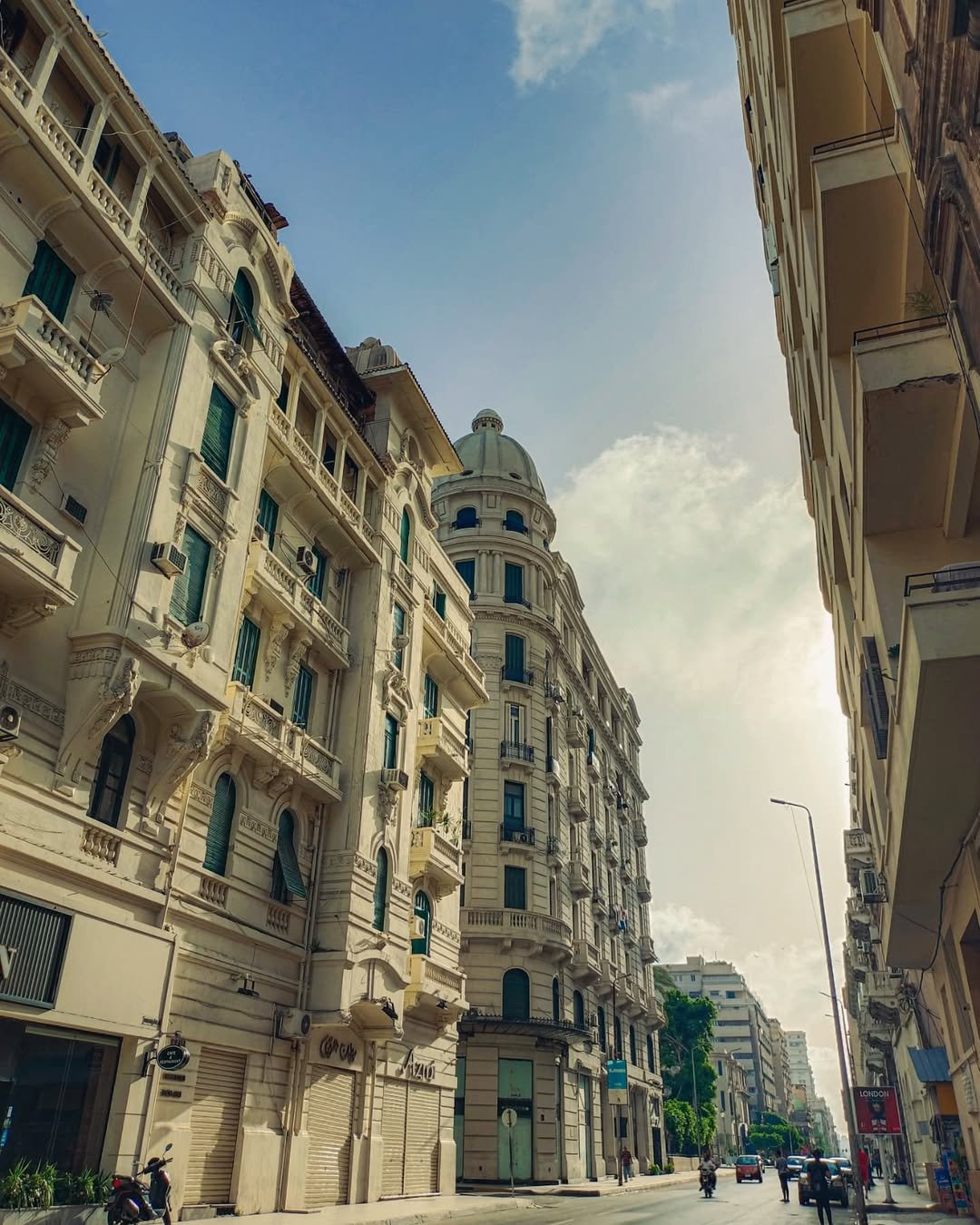
Alexandria looks compact on the map, but once you start chasing beaches, palaces, and stray Greco-Roman ruins, you realize: this city is long, thin, and stretched along the Mediterranean like a lazy cat. So let’s talk movement — how we actually get from corniche cafés to Montaza without melting.
1. By Taxi (the default)
You’ll see plenty of beige/white cars and some older black-and-yellow cabs cruising the Corniche. This is the most convenient way to move around, especially if you’re with kids or carrying beach stuff.
- How to do it: Agree on the price before you get in (not all cabs use the meter).
- Where it works best: Corniche runs, from downtown (Mahattet Ramleh) to Qaitbay Citadel, to Stanley, to Sidi Bishr, to Montaza.
- Price ballpark: Still affordable compared to Cairo, but expect a bit of tourist inflation right on the Corniche.
- Pro tip: If the driver won’t turn on the meter, just smile and say the price you know is fair. It’s normal to negotiate.
2. Ride-Hailing Apps (easy mode)
If you don’t feel like haggling, just use Uber or Careem. They both work in Alexandria and are often cheaper than what you’d end up paying a random cab — plus you get the route, the driver name, and the price upfront.
- When to use it: At night, if you don’t speak Arabic, or if you’re going to a specific spot like the Royal Jewelry Museum or Bibliotheca Alexandrina.
- Bonus: Great for longer trips along the coast — traffic can be slow, but at least you’re not negotiating every 5 minutes.
3. By Tram (for the vibes)
Yes, Alexandria still has its old-school tram — one of the oldest in the world. It’s slow, it rattles, it’s not for people in a hurry… but it’s cheap and charming, and running along some seaside parts makes it very photogenic.
- Why take it: Because you’re a traveler, not a spreadsheet. Also great for people-watching.
- What to expect: Separate cars for women sometimes, very low fares, not always fastest.
- Use it for: Short hops around Raml Station, San Stefano area, and local neighborhoods — not airport-level transfers.
4. Microbuses (local style)
Those white/blue (sometimes other colors) microbuses zipping along the Corniche and big streets? That’s how locals move. Super cheap, super frequent.
- How it works: You flag them down, say the stop, pass the coins forward.
- Downside: You need to know where you’re going (no English signs).
- Upside: Cheapest way to travel the whole seafront.
- Best for: Travelers who like to blend in and don’t mind a bit of chaos.
5. Walking the Corniche (when it’s not scorching)
Parts of Alexandria are very walkable, especially the Corniche between Qaitbay and downtown, or around Stanley Bridge. But the city is spread out, so don’t plan to walk from Fort Qaitbay to Montaza unless you’re secretly training for a pilgrimage.
- When to walk: Early morning or sunset. Midday in summer? No.
- Nice walks: Qaitbay → Corniche cafés → Bibliotheca → Downtown. Or Stanley Bridge sunset stroll.
- Pro tip: Cross the street carefully — Corniche is busy.
6. To/From Alexandria Airport (Borg El Arab)
If you’re flying in/out of Borg El Arab Airport, it’s not right in the city. You’ll need:
- A pre-booked transfer (hotel or tour company)
- Or Uber/Careem if available at that hour
- Or a local taxi (agree on fare!)
It’s a 45–60 min ride depending on traffic.
7. Day Trips from Alexandria
If you’re planning to go to Rosetta (Rashid), El Alamein, or even to Cairo for a day, it’s better to:
- Hire a private driver for the day
- Or use an organized tour
Alexandria public transport is fine inside the city, not amazing for intercity travel unless you take trains.
Unmissable Things to Do in Alexandria Egypt
1. Explore Sidi Morsi Abu al-Abbas Mosque
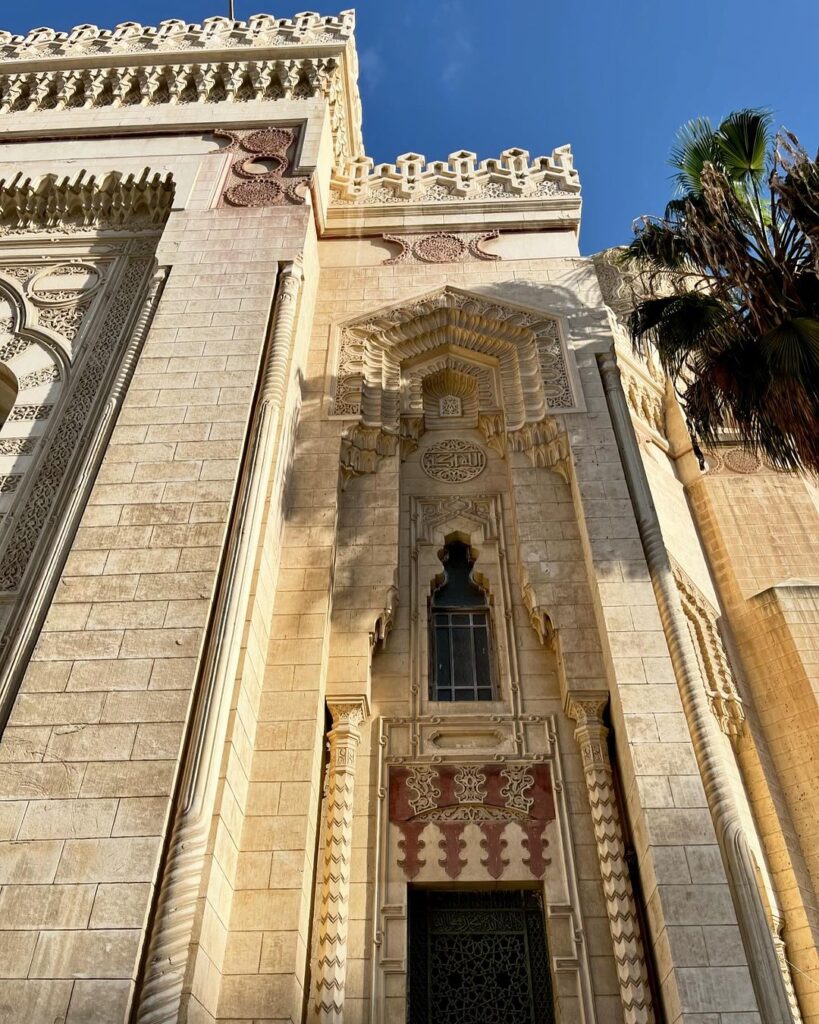
Sidi Morsi Abu al-Abbas Mosque is a captivating building erected during World War II over the tomb of a revered 13th-century saint, known as the patron saint of local fishermen. Nowadays, it’s surrounded by Egypt’s largest and most unusual combo of religious and shopping spaces, where a group of mosques sits atop a terrace that conceals an underground shopping center.
There’s also a modern office building with more shops nearby, its sharp, modern angles clashing with the mosques’ smooth and curvy designs. Visitors who dress modestly can enter the mosque; just remember to remove your shoes and not take photos inside.
Opening hours: Visitors usually welcome outside prayer times (respect dress code).
Ticket price: Free.
How long to allow: 20–30 minutes.
Quick tip: Shoulders/knees covered; remove shoes; keep photos discreet.
2. Learn About Alexandria’s Past At The Alexandria National Museum
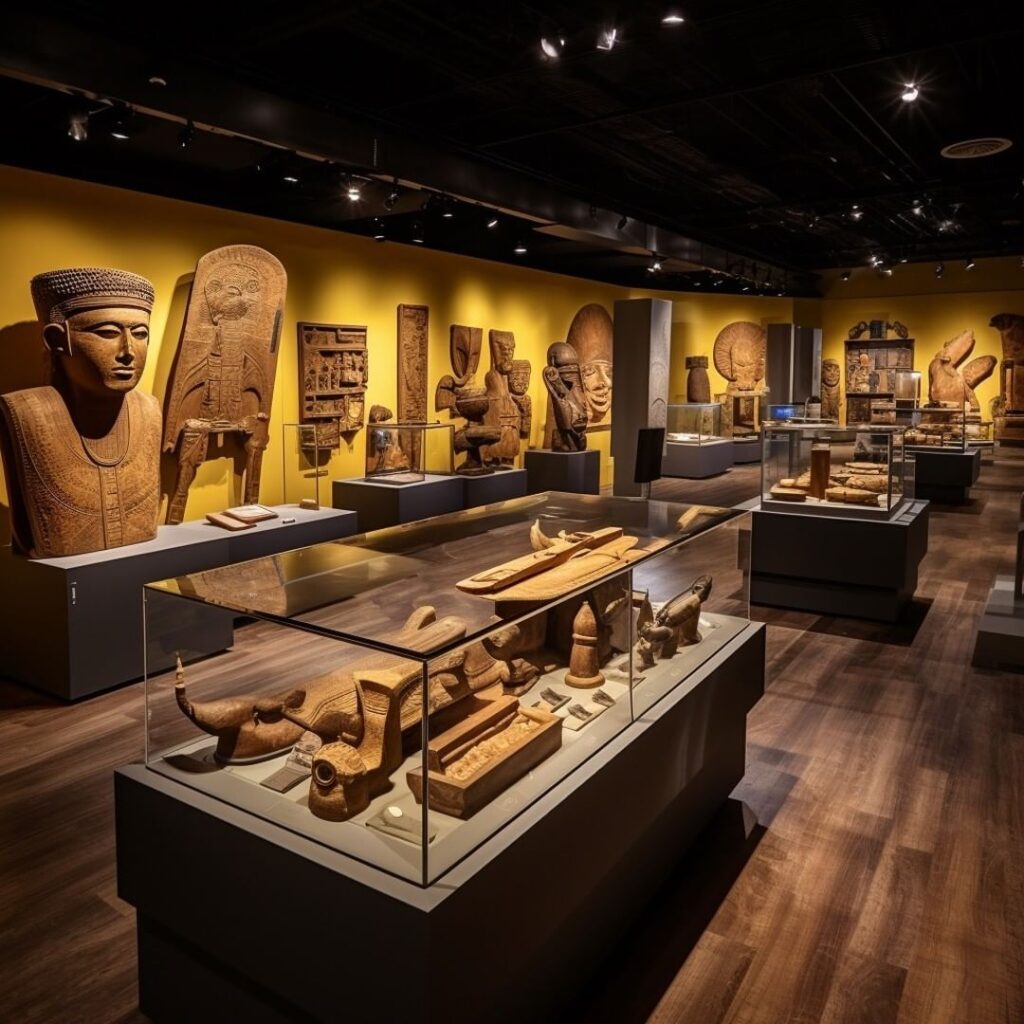
The Alexandria National Museum holds a small but remarkable assortment of artifacts, including pieces retrieved from under the Western Harbor in recent underwater archaeological digs. Its exhibitions cover the city’s extensive timeline, featuring Christian relics, Islamic art, and insights into Alexandria’s time under colonial rule. The museum is housed in an early 20th-century Italianate palace, designed by a French architect, reflecting the city’s colonial history.
Opening hours (library/general public): Typically Sun–Thu 10:00–19:00; Fri 14:00–19:00; Sat 12:00–16:00.
Tickets (library & museums within): Main library: Egyptians from EGP 10 / Non-Egyptians from EGP 150; Antiquities Museum: Egyptians 20 / Non-Egyptians 100; Planetarium shows: Egyptians 50 / Non-Egyptians 200 (see schedule).
How long to allow: 60–120 minutes (more if doing museums/shows).
Quick tip: The History of Science Museum has been under maintenance—check current status.
3. Visit Fort Qaitbay
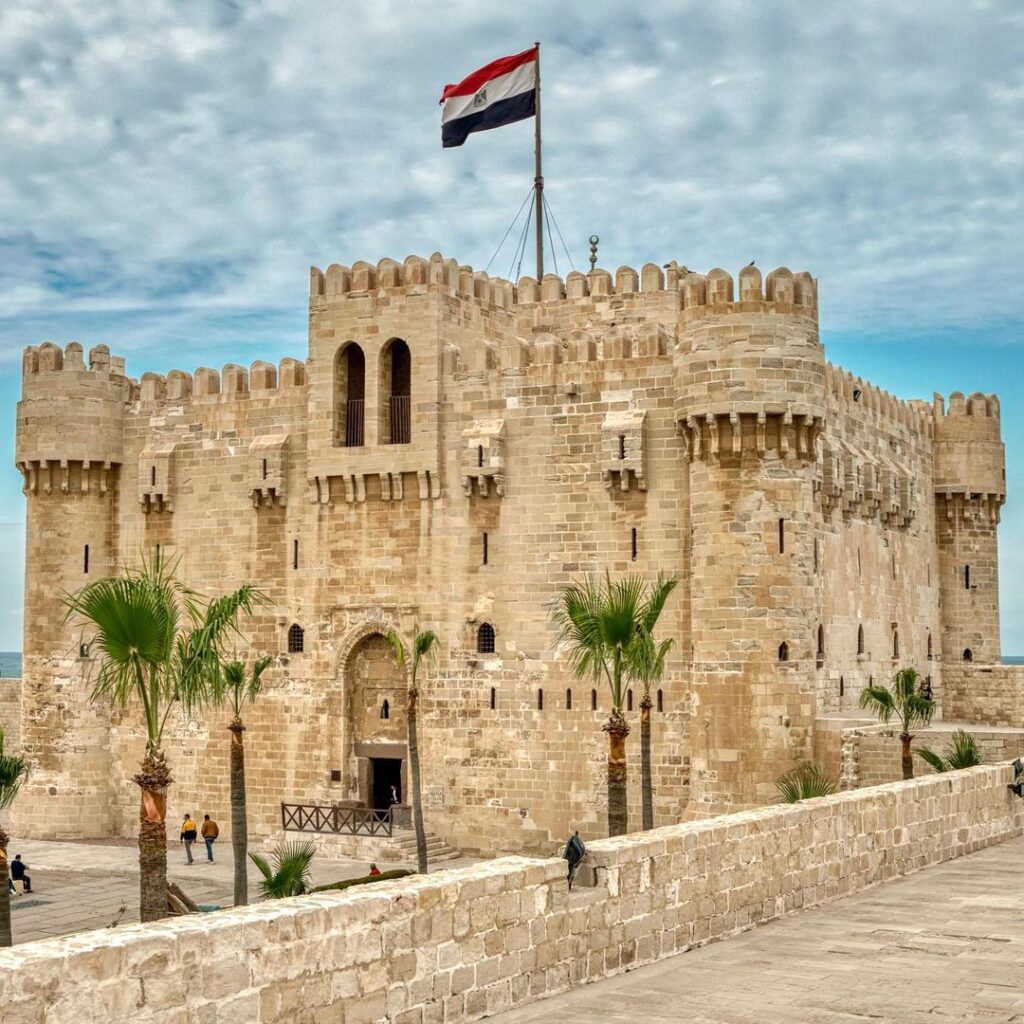
Fort Qaitbay stands on the edge of the Corniche, overlooking the Eastern Harbor. Built on the ancient site of Alexandria’s Pharos lighthouse, one of the ancient world’s seven wonders, the fort integrates the lighthouse’s remnants into its foundation. The Pharos, constructed in the 3rd century BC by a Greek named Sostratus, towered approximately 122 meters high, its light visible 53 km away. This engineering marvel, featuring around 300 rooms and a fuel-lifting hydraulic system, underwent several reconstructions before its destruction in a 1307 earthquake. Sultan Qaitbay erected the present fort on its ruins in 1479. Recent discoveries by a French team of Pharos parts offshore have sparked renewed interest and talks of an underwater museum.
The fort’s exterior walls enclose a spacious courtyard, and walking along its ramparts offers expansive coastal views. Interestingly, the fort’s arrow slits, once for defense, now provide secluded spots for Egyptian couples. Inside, the fort is less captivating, containing a plain mosque, a mural of President Nasser with the Egyptian navy, and a “fleet of Senefroo” model. Artefacts from Napoleon’s sunken ship l’Orient, are displayed upstairs.
In summer, the fort hosts evening music events and concerts.
Opening hours: Daily. Summer ~09:00–19:00 (last entry 19:00); winter ~09:00–18:00 (last entry 18:00).
Ticket price: Foreign adult EGP 200 / student EGP 100; Egyptians EGP 60 / 30.
How long to allow: 45–75 minutes (rooftop views + walls).
Quick tip: Go late afternoon for softer light on the stone and harbor.
4. Enjoy a Cocktail In the Bleu Lounge
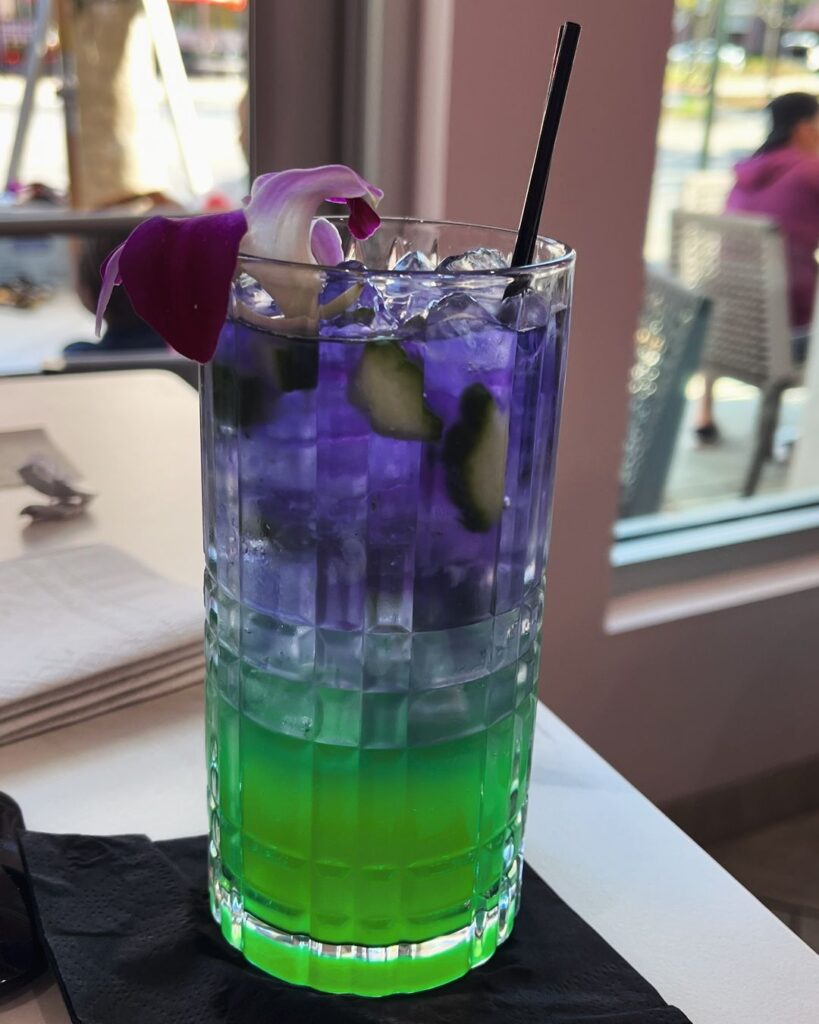
Bleu stands out as Alexandria’s trendiest spot. Here, you can relax with a shisha and cocktail in hand. Sporting modern decor and a marble-floored terrace that offers stunning views of the north coast beaches and Corniche (available from May to November), this bar is a favourite among the fashionable crowd.
Opening hours: Daily, 17:00–20:00 (weather-dependent, outdoor). Ticket price: No entry fee; pay as you order. Sample small plates on the menu range roughly EGP 225–725 (prices change).
How long to allow: 60–90 minutes (golden-hour drinks + a couple of bites).
Quick tip: Time it for sunset; it’s breezy on the terrace, and they may pause in bad weather. Call ahead if skies look iffy
Location link | fourseasons.com/alexandria/bleu-lounge/
5. Chill And Enjoy The View At Skyroof – Windsor Palace Hotel
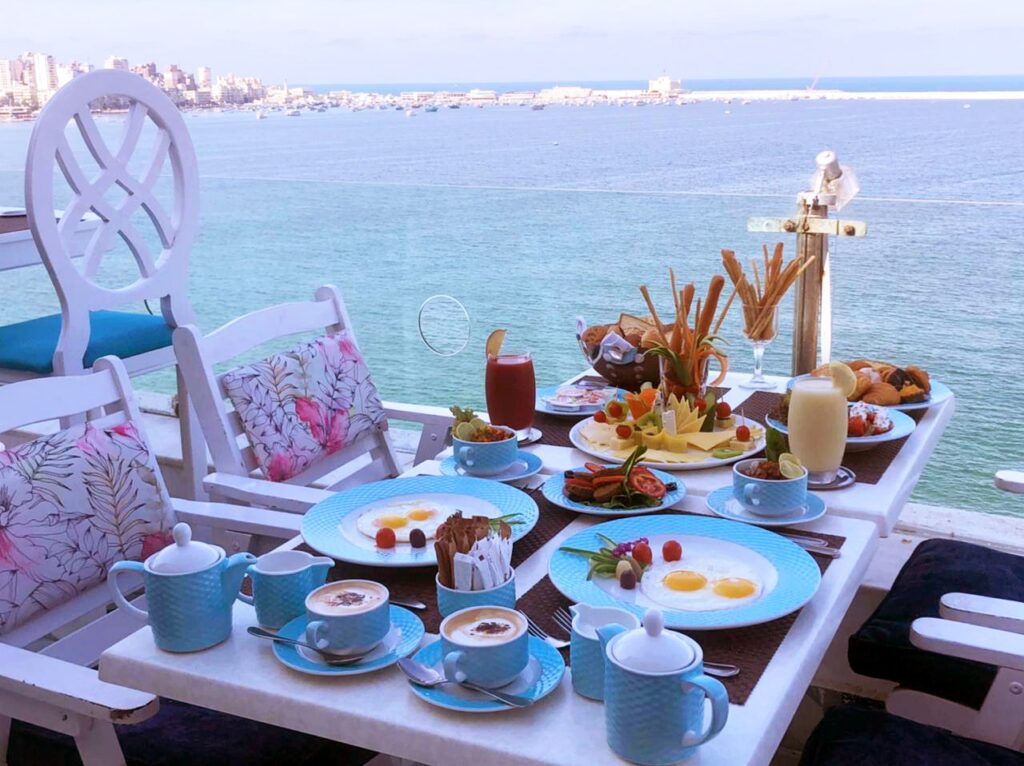
Sky Roof, perched atop the Windsor Palace Hotel, offers a picturesque view of Alexandria Beach and beyond. With international DJs starting their sets at 9 pm, the vibe is always lively. The outdoor lounge, featuring plush sofas and tables, is perfect for enjoying the music, though you might want to move indoors if the wind gets too strong. The menu won’t disappoint, offering dishes like Piccata with Mushroom and Mashed Potato, Grilled Chicken Breast, Pizza, and Fried Fish Fillet with Rice. While it’s said that reservations and social media profile approval are needed, that might not always be the case.
Opening hours: Evenings, typically 19:00–02:00; DJ from 21:00, last order 01:00. Check IG for event nights/changes.
Ticket price: Usually no set entry; pay for drinks/food. Special events can require reservations or a minimum—peek at their latest posts.
How long to allow: 90–120 minutes.
Quick tip: It’s the Windsor Palace rooftop on the Corniche—wind can pick up. Weekends fill fast; reserve if you want a front-row sea view.
Location link | instagram.com/skyroofalexandria/
6. Enjoy Some Shopping At San Stefano Mall
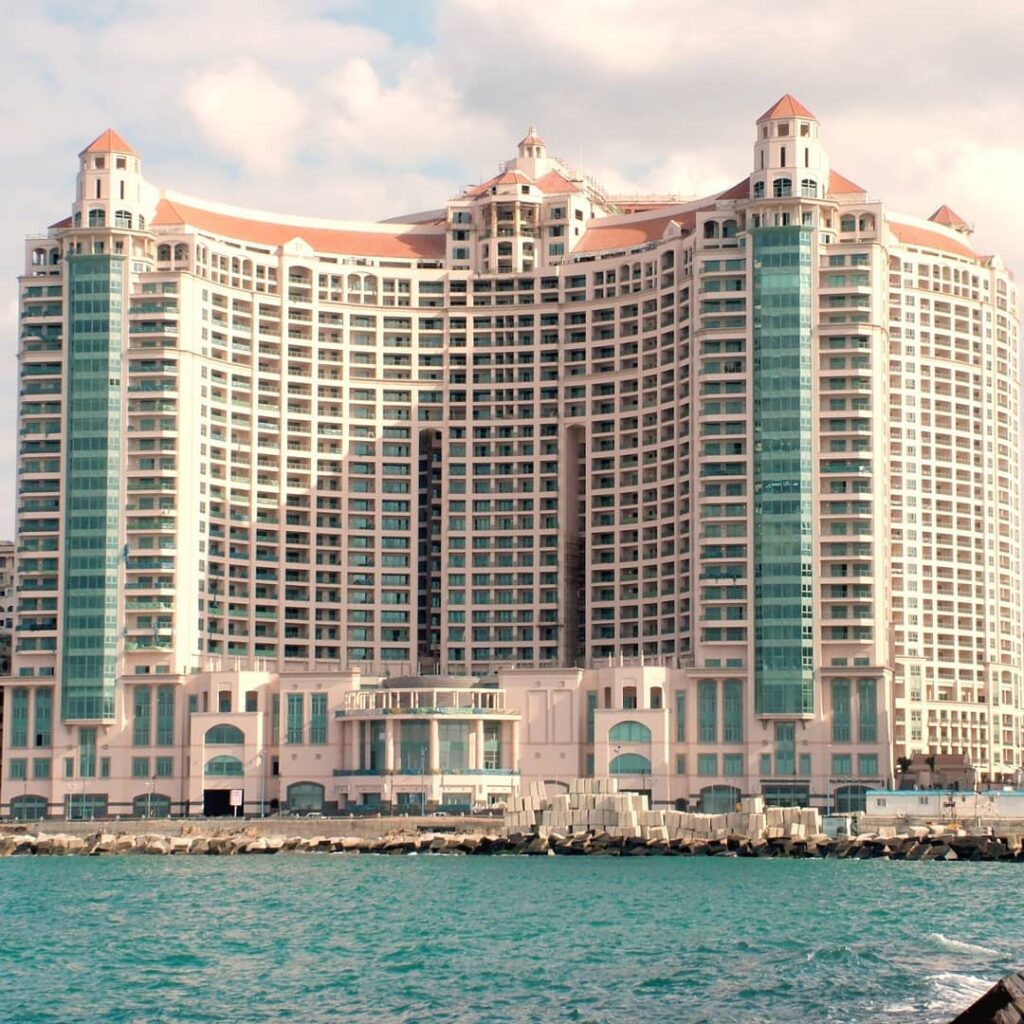
The San Stefano Grand Plaza shopping mall in Alexandria turns shopping into a luxurious adventure! This modern mall is packed with everything from upscale designer stores to well-loved global brands. Its spacious, orderly design ensures a smooth shopping journey. Besides shopping, the mall has many spots ideal for quick snacks and relaxed dining. Set against the backdrop of the Mediterranean Sea, a visit to San Stefano Grand Plaza is not just shopping—it’s a memorable experience.
Opening hours: ~10:00–23:00 daily; some shops stay later on weekends. Hours vary by store/cinema—double-check day-of.
Ticket price: Free entry (paid purchases/parking).
How long to allow: 60–120 minutes (cooling-off break + errands).
Quick tip: It’s the mall at San Stefano; combine with the Corniche or a coffee stop, and avoid peak evening rush if you’re crowd-averse.
7. Relax And Rejuvenate At The Spa at Four Seasons Hotel Alexandria
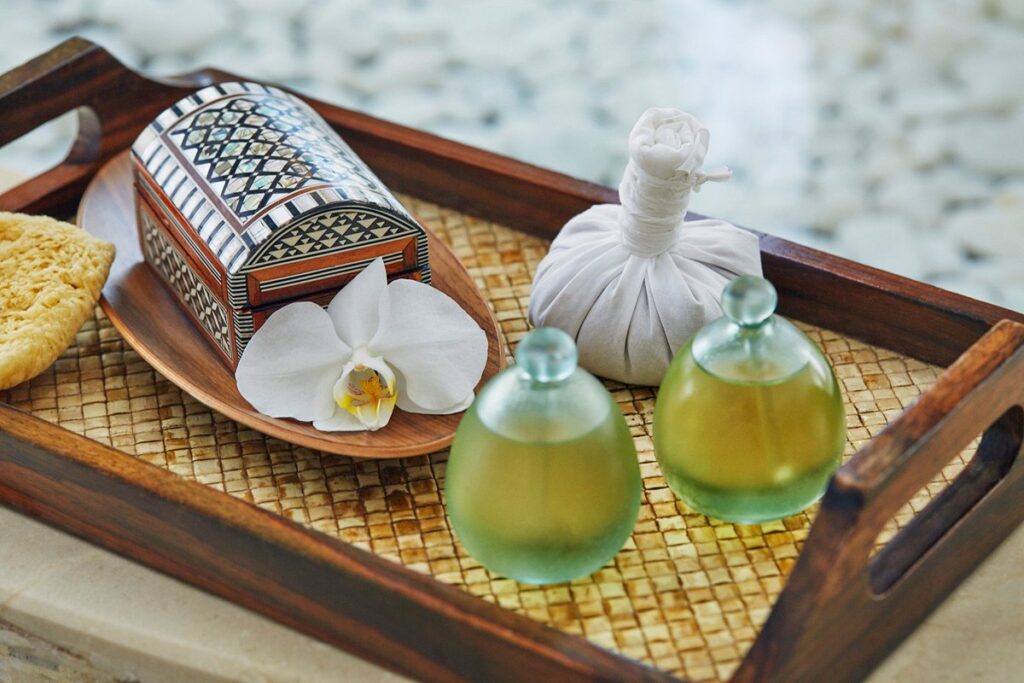
At the Four Seasons Hotel in Alexandria at San Stefano, you will enjoy a wide range of high-end spa services like massages, facials, and signature treatments. They focus on a holistic approach to taking care of both your mind and body. Your visit starts with a custom check on your lifestyle, leading to a relaxing time in one of their 14 treatment rooms, including spaces just for couples.
fourseasons.com/alexandria/spa/
Opening hours: Spa facilities 07:00–23:00; spa treatments 10:00–22:00. Pools/beach operate seasonally; indoor pool may close for maintenance—check notices.
Ticket price: Day-pass examples (subject to change): Indoor pool EGP 1,250 (weekdays) / EGP 1,500 (weekends); Infinity pool EGP 2,200 (weekdays) / EGP 2,600 (weekends). Treatments (e.g., Balinese/Thai 60–90 min) from EGP 5,000–6,500.
How long to allow: 2–4 hours (pool + one 60–90 min treatment).
Quick tip: Book ahead for sunset pool slots; bring swimwear + flip-flops. If you only want facilities, the day pass works without a treatment.
8. Visit the Greco-Roman Museum
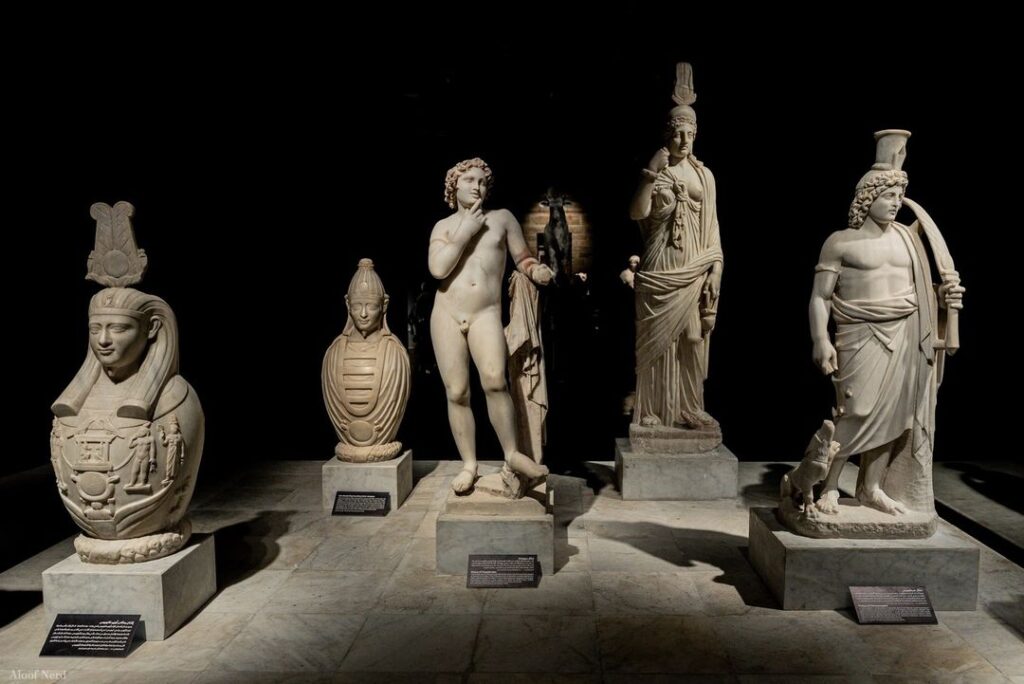
Founded in 1895, the Greco-Roman Museum in the RAML Station area houses a top-notch collection, including notable finds from Pompey’s Pillar, like the Apis Bull statue and statues from the Kom el-Shoqafa catacombs. It stands out as Egypt’s leading museum for the period from 332 BC, when Alexander the Great arrived, to AD 619, during the third Persian occupation. The museum not only features Greco-Roman artifacts but also showcases many pharaonic pieces, highlighting the extensive cultural blending with Greek and Roman traditions. Among its highlights are early Christian mummies, pieces of a temple dedicated to Sobek, the crocodile god, and a courtyard displaying an array of statues bathed in sunlight.
Opening hours: Generally 09:00–17:00; some listings show extended Fri–Sat or earlier last entry—check day-of.
Ticket price: Foreign adult EGP 400 / student EGP 200.
How long to allow: 60–90 minutes.
Quick tip: Some visitors reported card-only payments—carry a card just in case.
9. Marvel at Kom el-Dikka Ancient Amphitheatre
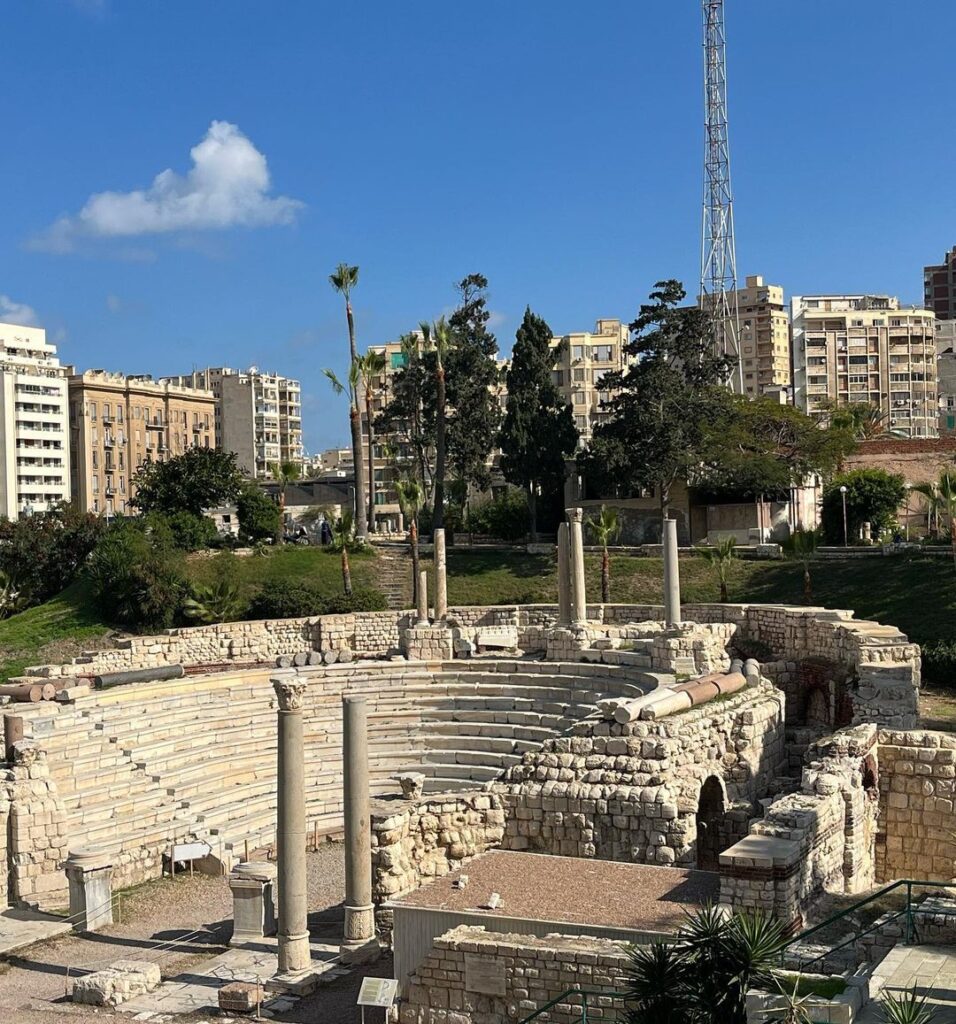
It is a unique, ancient amphitheater, the only one in Egypt, dating back to the 4th century AD and rebuilt in the 6th century after an earthquake. This place transitioned from a cultural center to a venue for City Council meetings, as suggested by old political graffiti. The site also includes the remains of ancient baths and residential areas, where the cisterns and walls stand out. Here, red bricks indicate the location of the heated baths, part of a sophisticated system that also included cold and steam baths. This entire area was abandoned following the Persian conquest in the 7th century.
A notable part of the residential area is the Villa of the Birds, named after its vibrant floor mosaics that beautifully depict various birds, showcasing the high level of artistry of the time. These mosaics have been restored and are now under a protective cover. In the summer, the amphitheater sometimes becomes a venue for opera performances, bringing contemporary art to this ancient site.
Opening hours: Daily ~09:00–17:00 (site lists last entry 16:00).
Ticket price: Foreign adult EGP 200 / student EGP 100.
How long to allow: 40–60 minutes.
Quick tip: Don’t miss the “Villa of the Birds” mosaics next door.
10. Relax in El Montaza Gardens
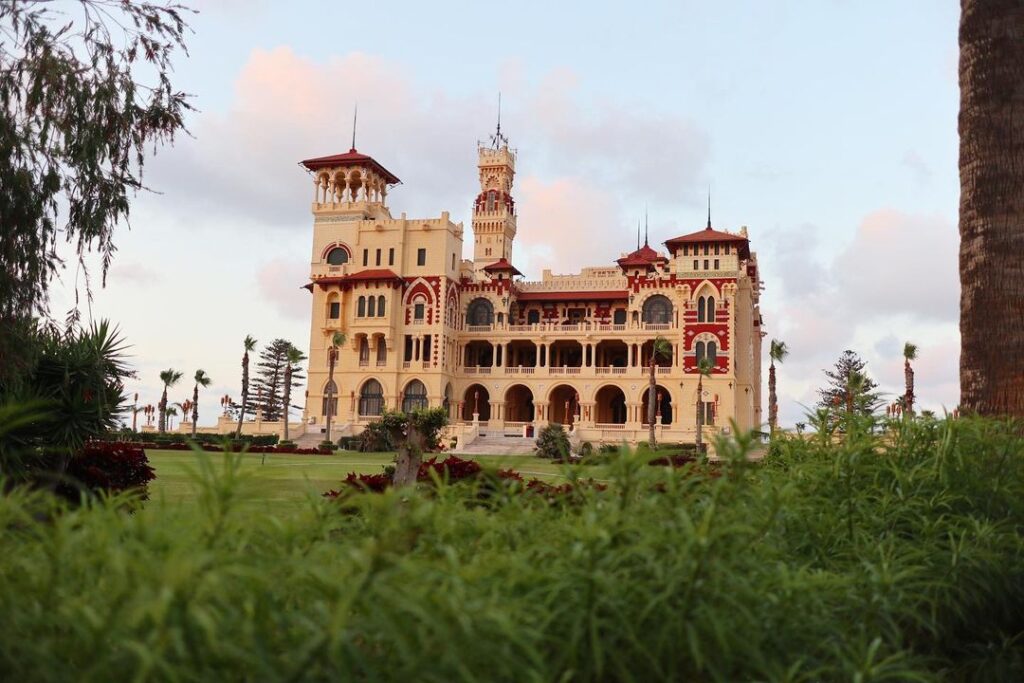
El Montaza Gardens, located in the Montaza area, became a symbol of royal life in Egypt in the mid-18th century when Mohammed Ali’s descendants became khedives, or princes. The grand El Montaza Palace was built in the 1890s by Khedive Abbas Hilmi Pasha just outside Alexandria. Between 1922 and 1952, under Egyptian royalty, the palace was expanded into an ornate Italianate style by King Faoud, becoming the backdrop for extravagant parties within its vast, green gardens. It was from this palace that King Farouk, Faoud’s son, left Egypt for the last time following his abdication in 1952, eventually living in exile in Rome where he died in 1965. Nowadays, the palace is owned by the government.
The gardens, known for their beautiful flowers, lawns, and beaches, are a favored spot for local families to enjoy leisurely walks or picnics.
Opening hours: Park hours vary; generally daylight hours with a small entry fee.
Ticket price: Low, payable at gate (amount can change).
How long to allow: 1.5–3 hours (it’s spread out).
Quick tip: A golf-cart/buggy can save time between viewpoints.
11. Take an up-close look at nature’s marvels at the Alexandria Zoo
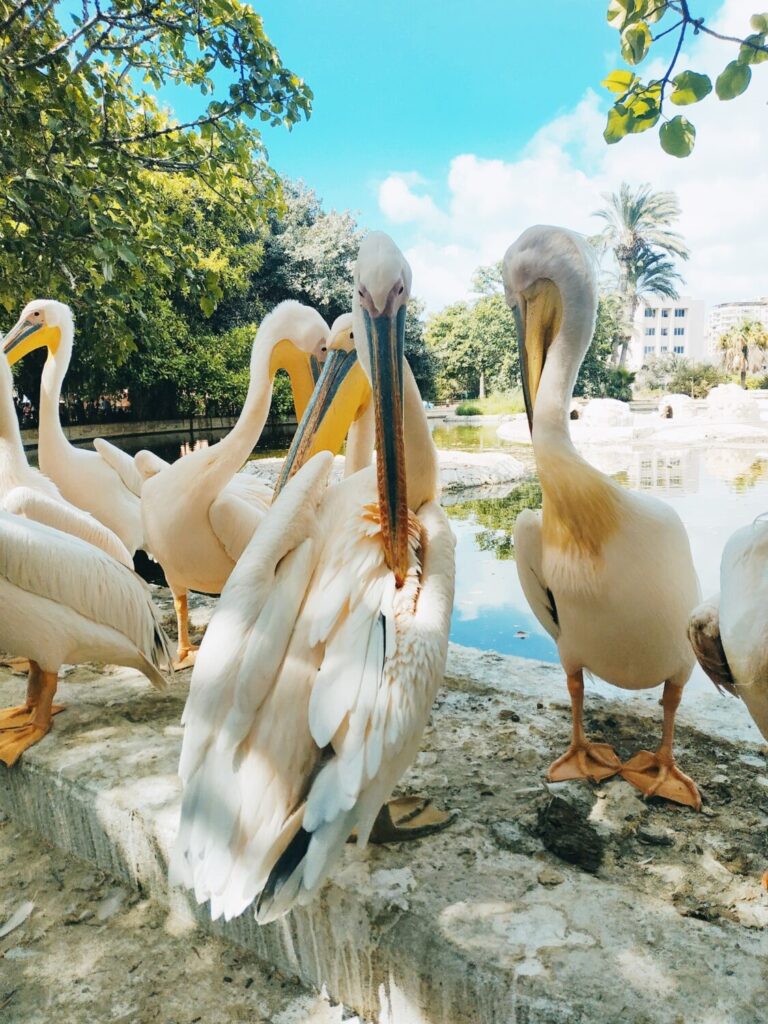
Alexandria Zoo is an exciting mix of learning and enjoyment! It has a wide variety of animals, beautifully kept surroundings, and welcoming staff, making it a top destination. You can take an up-close look at nature’s marvels for visitors of all ages. Expect to see everything from impressive big cats to lively primates, ensuring each trip is filled with discovery and education.
The zoo’s dedication to preserving wildlife and caring for animals, with interactive programs and a friendly vibe, is a gem for families and animal lovers.
Opening hours: Typically 09:00–16:30 (some local listings note Sat until ~17:30; hours can vary—confirm day-of).
Ticket price: EGP 5 (Egyptians); EGP 20 (non-Egyptians). Bring small cash.
How long to allow: 60–90 minutes (it’s compact; add time if you pair it with Antoniades Gardens next door).
Quick tip: Expect an old-school city zoo; go early for shade and lighter crowds. Some “Jungle Zoo” feeding add-ons inside carry a small extra fee
12. Visit Planetarium and Imax Theatre at Bibliotheca Alexandrina
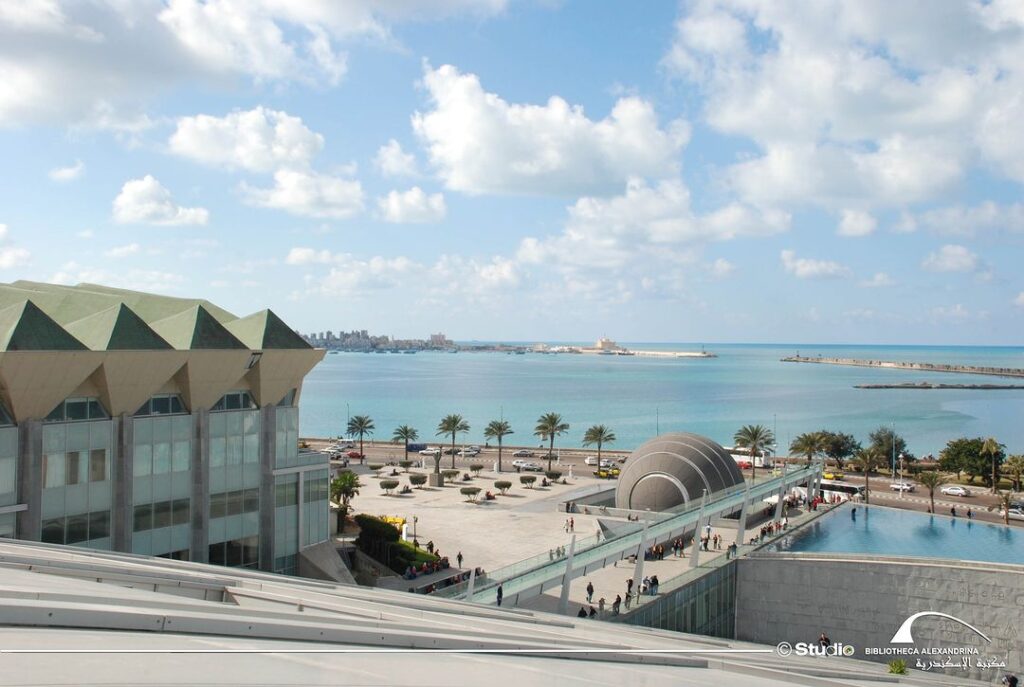
The $190 million project, supported by UNESCO, aimed to bring back to life the famous Great Library of Alexandria, known as a key ancient learning center. Located near the Silsileh Peninsula by the Eastern Harbor, an area historically linked to royalty and potentially the site of the original library. The building, designed by Norwegian architects, looks like a huge cylinder leaning towards the sea, with a roof of diamond-shaped windows that illuminate the seven levels inside. A notable feature is the outer wall, covered in granite from Aswan with ancient inscriptions in an unknown language.
While the vast inside is impressive from the upper gallery, the library also hosts various small museums and exhibits for more exploration. It’s been updated with a planetarium and an IMAX theatre, offering science and astronomy activities, such as stargazing, learning about constellations, and interactive displays.
Opening hours: Run by scheduled shows (times change daily). Arrive 15 min early; shows can be cancelled if fewer than 20 people are present 15 minutes before start.
Ticket price: Planetarium — Egyptians: Adults EGP 50 / Students EGP 20 / Seniors EGP 50; Non-Egyptians: EGP 200. Egyptian visitors using English audio add EGP 10 for headphones. Tickets are sold at the Planetarium entrance.
How long to allow: 60–90 minutes (show + a little browsing/queue time; add extra if you’re also doing the ALEXploratorium/Science Museum).
Quick tip: Check the daily schedule before you go (language varies by show), and grab seats near the center rows for the best dome view
Location link | bibalex.org/en/default
13. Visit Anfushi Tombs
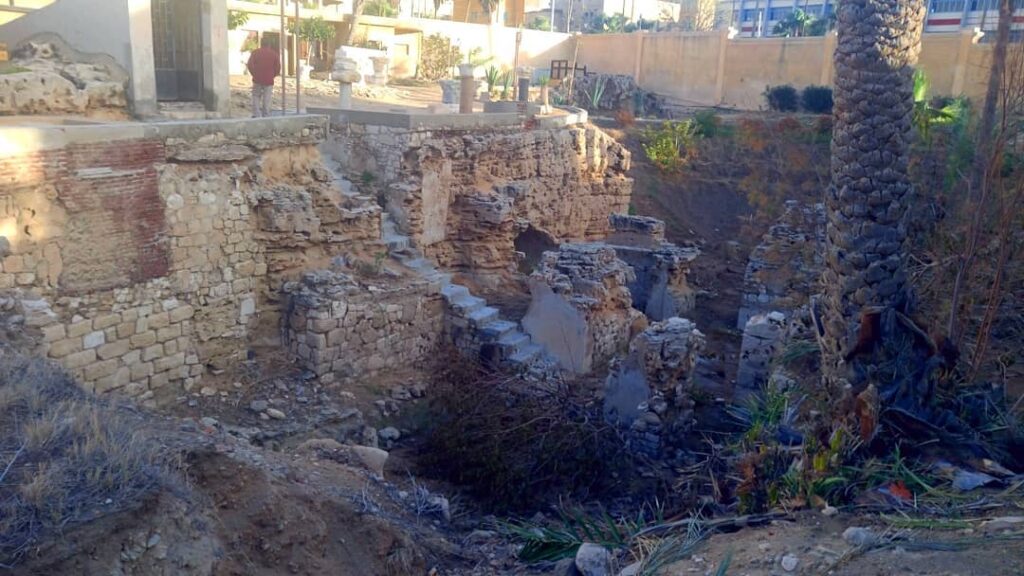
Dating back to the 3rd century BC during the Ptolemaic era, these tombs, though smaller than the Catacombs at Kom el-Shoqafa, feature more preserved decorations. The limestone walls of this necropolis are adorned with paintings that mimic marble and showcase a variety of pharaonic gods.
Located on a strip of land (once an island) that divides the Western and Eastern harbours, these tombs sit about halfway between the Palace of Ras al-Tin on the west and Fort Qaitbay to the east.
Opening hours: Daily ~09:00–17:00.
Ticket price: Foreign adult EGP 100 / student EGP 50.
How long to allow: 20–30 minutes.
Quick tip: Smaller than Kom el-Shoqafa but the painted “faux-marble” walls are lovely.
14. Dive in Underwater Ruins
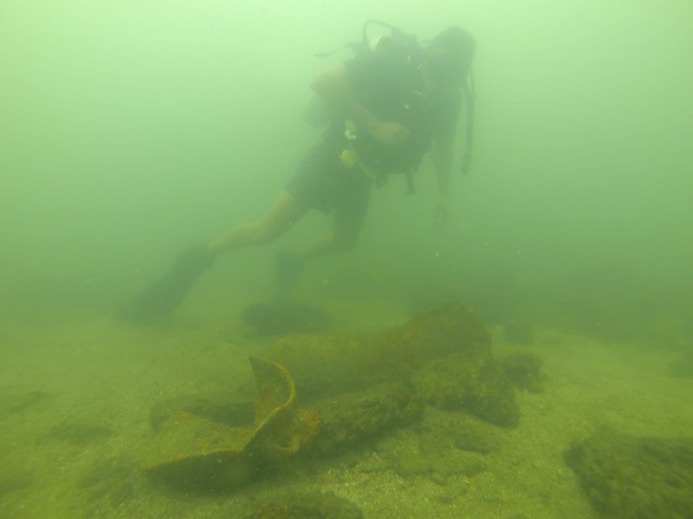
Alexandria’s waters, just like its land, are filled with ancient wonders, including old monuments and artifacts. The city boasts over five shallow diving spots around its harbours. The most visited among these are the Pharos Island site, Antirhodos Island (known as Cleopatra’s sunken palace), and a World War II shipwreck.
To dive at these sites, you need to know how to swim. Each spot offers a peek into the city’s rich history. Antirhodos Island, close to the shore, is famous for what’s left of Cleopatra’s palace, an Isis temple, and two sphinxes. The seabed here is littered with old stones, pillars, jars, lamps, and bowls. Near the Qaitbay Citadel on the eastern harbour, the Pharos Island dive site has pieces of the ancient Lighthouse of Alexandria, which collapsed into the sea after an earthquake.
You can book diving tour here.
15. Cross A Unique Stanley Bridge
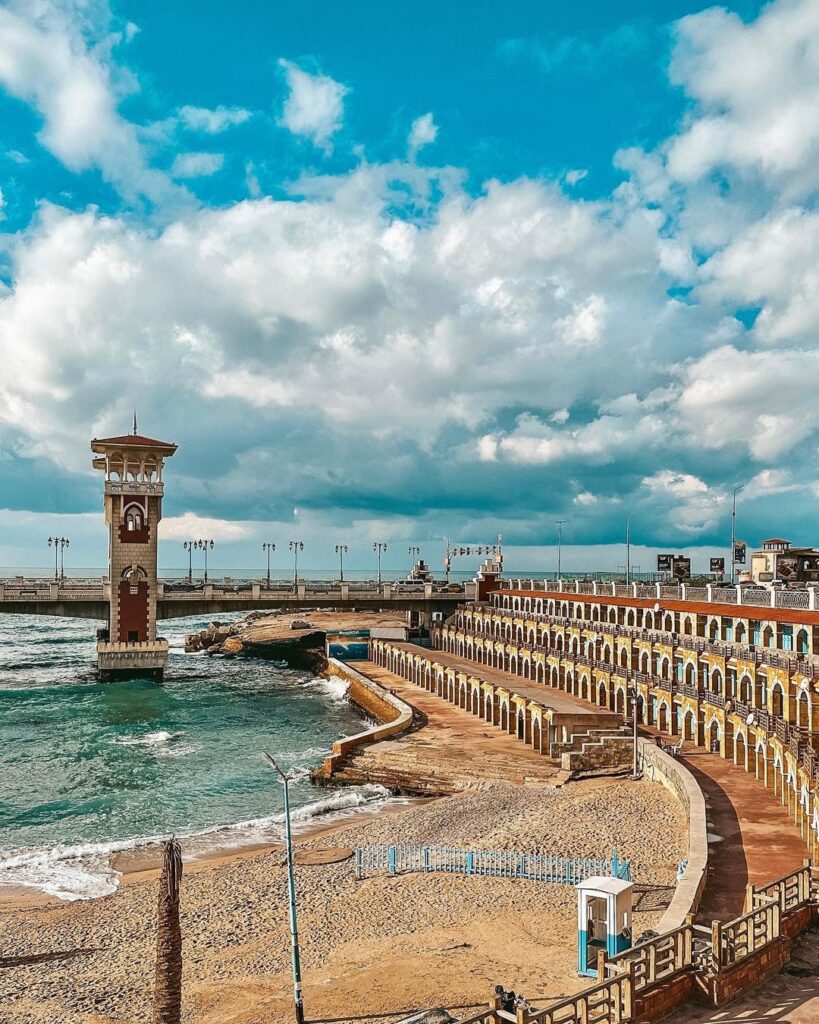
The Stanley Bridge, built in the late 1990s over the sea in the Stanley Bay area, is Egypt’s first bridge of its kind. It offers a unique experience for visitors to cross in horse-drawn carriages, enjoying the sea views and cool breeze. Shopping malls and fancy hotels are located just across the bridge, with plenty of cafes and beaches along the coastal road nearby.
Though it was originally made to help with traffic, the Stanley Bridge has become an important sight and shows off modern Alexandrian architecture. The bridge is 400 meters long, and 30 meters wide, and has four towers with Islamic-style designs, made to match the Al Montazah royal palace’s style.
Opening hours: Public promenade/bridge—open 24/7.
Ticket price: Free.
How long to allow: 20–40 minutes (sunset best).
Quick tip: Blue hour shots are gorgeous after sunset.
16. Explore the Serapeum of Alexandria
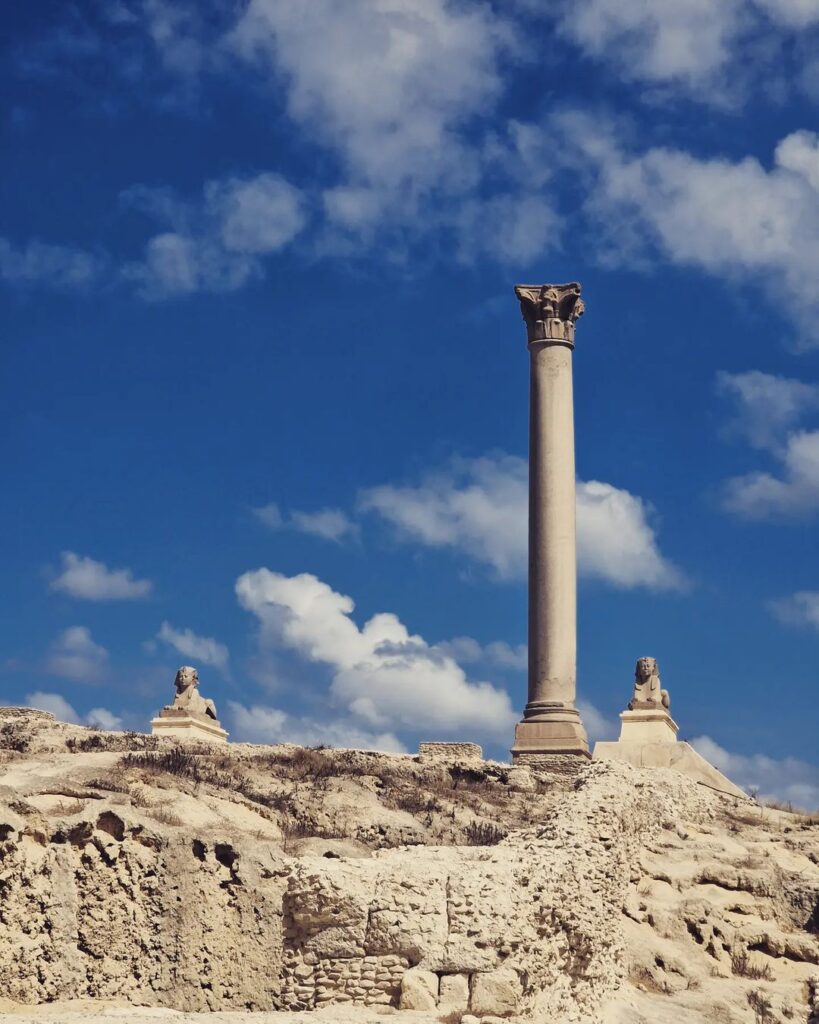
Ptolemy III Euergetes, a ruler of the past, founded the Serapeum of Alexandria, a temple to the god Serapis, who was seen as the city’s guardian. Now, the only part left to see above ground is a big Roman pillar called Pompey’s Pillar. There are a few underground passages open for exploration, and some temple objects are displayed at the Greco-Roman Museum.
This place is on high ground, letting you see the land and the sea around. The ancient pillar, made of red granite from Aswan, is the only remnant of old Alexandria still standing. Steps descend from the pillar to what’s left of the big Serapis temple, built during the Roman and early Alexandrian periods. Records and digs show this temple was the most splendid in the Greek area of Alexandria. It was torn down and closed in 325 AD, likely at the order of Constantine, a Christian ruler.
Opening hours: Daily ~09:00–17:00.
Ticket price: Foreign adult EGP 200 / student EGP 100.
How long to allow: 30–45 minutes (add time for the underground galleries if open).
Quick tip: Combine with Kom el-Dikka or Catacombs to save backtracking.
17. Discover the Catacombs of Kom el Shoqafa
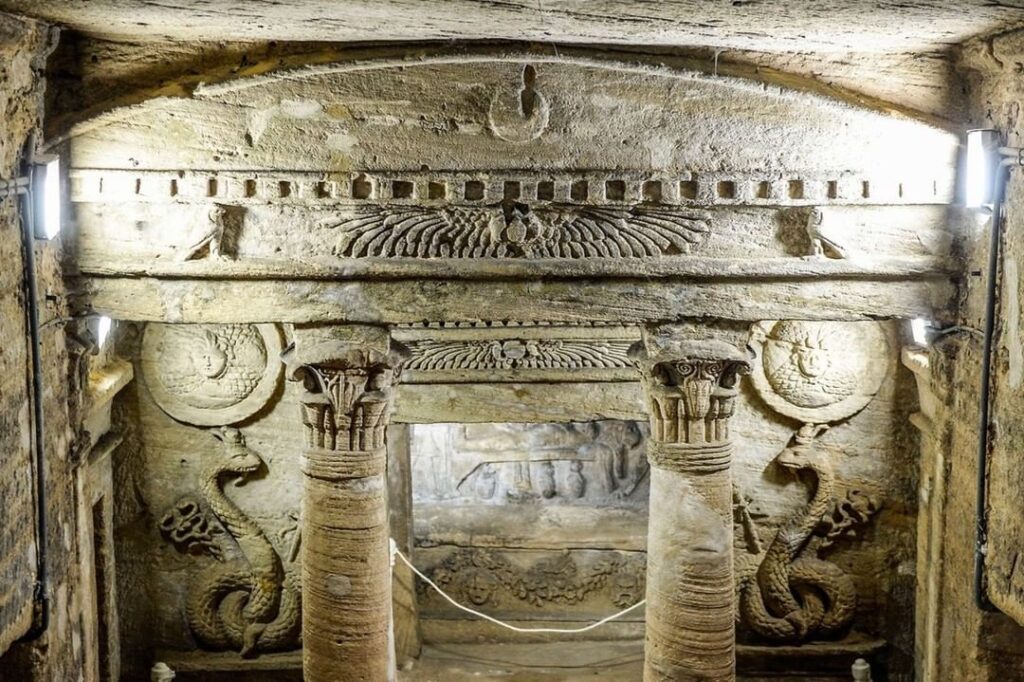
The Kom El Shoqafa catacombs, known as one of the Middle Ages’ Seven Wonders, are an ancient graveyard in Alexandria, Egypt, famous for its mix of Roman, Greek, and Egyptian designs. One key feature is the Hall of Caracalla, filled with both human and animal bones.
A winding staircase leads down into the catacombs, a sprawling network of underground tunnels and rooms spread over several floors. The main burial area is beautifully decorated with temple themes, and there were special rooms where the dead’s families would come together for meals in their honour. The name “Kom El Shoqafa” means “mound of shards,” named after the ancient tradition of breaking terracotta pots and dishes brought as food offerings for the deceased. Found in 1900, these catacombs were used for burials from the 2nd to the 4th century and are located about 100 feet below ground, with their origins tracing back to the 2nd century AD.
Opening hours: Daily ~09:00–17:00 (site lists last entry 16:00).
Ticket price: Foreign adult EGP 200 / student EGP 100; Egyptians EGP 30 / 10.
How long to allow: 45–60 minutes (it’s humid; bring water).
Quick tip: Photos are usually restricted—ask on site.
19. Enjoy a stroll On The Alexandria Corniche
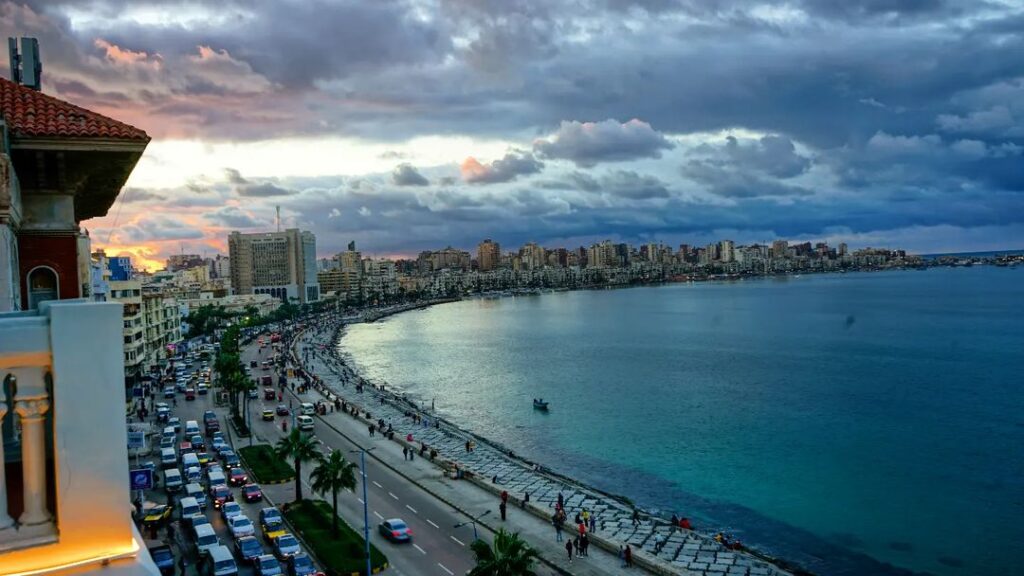
The Alexandria Corniche, a favorite spot along the city’s coastline, is a great place for either a relaxing walk or a scenic drive. Along the way, there’s a lively market where you can buy everything from souvenirs and crafts to clothes, snacks, and ice cream.
This area also includes the Citadel of Qaitbay, located where Alexandria’s famous old lighthouse once stood. The Stanley Bridge over the Corniche is unique in Alexandria for crossing over the sea. Another attraction is Al Maamoura Beach, nestled between the Corniche and the Stanley Bridge, where visitors can enjoy the seaside.
Opening hours: Public promenade/bridge—open 24/7.
Ticket price: Free.
How long to allow: 20–40 minutes (sunset best).
Quick tip: Blue hour shots are gorgeous after sunset.
20. Admire Ancient Gems At The Royal Jewelry Museum
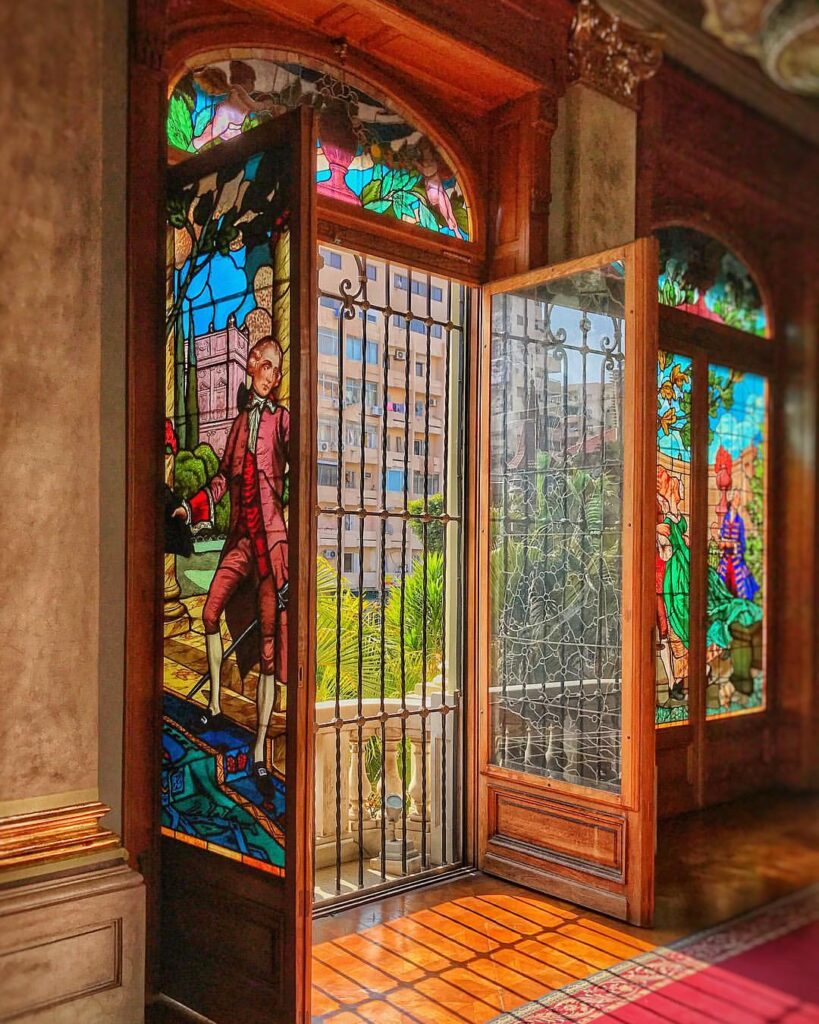
The Royal Jewelry Museum is a special place that shows off jewels and treasures from Egypt’s royal family, who were in charge from 1805 until 1952 under Muhammad Ali Pasha’s family.
The museum is set in a beautiful palace built in 1919 by Zaynab Fahmi in the Zizinya area of Alexandria. This palace was once home to Fatma al-Zahra, a relative of Muhammad Ali Pasha. The building blends European and Islamic designs, featuring royal portraits, ornate ceilings, and intricate floor patterns. It has two main parts —the east and west wings, each with a basement and two additional floors, connected by a corridor.
Inside, you can see all kinds of royal belongings, like a special necklace with diamonds and emeralds that belonged to Muhammad Ali Pasha. There are also fancy items that show how wealthy the royal family was, including a gold chessboard, binoculars studded with diamonds, and gold cups adorned with jewels. Plus, there are stunning jewelry sets made by Europe’s top designers, which used to be worn by Egypt’s queens and princesses.
Opening hours: Daily ~09:00–17:00 (last ticket ~16:00).
Ticket price: Foreign adult EGP 220 / student EGP 110.
How long to allow: 45–75 minutes.
Quick tip: Look up—the stained glass and ceilings are half the show.
Where to Eat in Alexandria Egypt — Top Spots Worth Trying
When you wander through Alexandria’s seaside rhythms and café-lined corniches, food shows itself in all moods: from simple fish by the port, to refined dinners with sea-view terraces. Below are some favorite eateries that capture the essence of the city — we’ve marked why we love them and what to try so you know exactly what you’re in for.
1. Fish Market Restaurant

Why we love it: Right at the water’s edge, boats coming in, nets being cast, the smell of sea salt mixing with grilled fish smoke. Dining by the port in Alexandria means you’re eating what they caught today — not what was stored two weeks ago.
What to try: Fresh grilled hammour (grouper), calamari marinated in garlic and lemon, and a side of rice or fava beans. Pair with a cold soda or mint tea.
Tip: Ask for the “fesh fee el-shabaka” (fish from the nets) and check the whiteboard for the daily catch & price.
2. Balbaa Village – Al Corniche Branch

Why we love it: A beloved local chain for families and big groups, specializing in juicy grills and vibrant mezze. It’s loud, busy, and full of good energy.
What to try: The “Balbaa mixed grill,” fattoush salad, fresh pita, and finish with Aish el-Saraya (syrup-soaked bread dessert).
Tip: It gets crowded after 8pm — reserve ahead if you’re a group. Also good if you have kids: plenty of space, plenty of food.
3. Trianon Café

Why we love it: Vintage charm, old-town character, wood-panelled walls and a terrace that breaths history. For a slower pace, a dessert, or a late afternoon break.
What to try: Turkish coffee, kunafa with ice cream, or a slice of basbousa. Grab a seat overlooking the street for the full feel.
Tip: Great for people-watching. Don’t expect a full dinner menu; this is for leisure, dessert and slow moments.
General Dining Tips in Alexandria
- Haggling? In seafood restaurants, always ask for the full price including service. In smaller cafés it’s usually fixed.
- Vegetarian friendly? Yes — definitely ask for vegetarian mezze, grilled vegetables or lentil soups — many places do it well.
- Water & hygiene: Stick with bottled water unless you’re sure. At seaside grills, check for cleanliness around the grill area.
- Timing: Dinner often starts late — 8:30 pm is normal. If you want a calm table, go earlier around 7 pm.
- Tipping: Around 10 % is standard; more if service was excellent or views spectacular.
Where to Stay in Alexandria Egypt (for Every Budget)
Alexandria is long, seaside, and a little dramatic — which is exactly why choosing where to sleep matters. Do you want to wake up to the Mediterranean? Be close to the Bibliotheca? Or stay near Stanley Bridge for cafés and night walks? We’ve broken it down so you don’t overpay for a bad view.
1. Best Areas to Stay
- Corniche / Downtown (Raml – Saad Zaghloul): Classic Alexandria, close to cafés, old cafés like Délices/Trianon, sights, tram. Great if you want to walk and feel the city.
- Stanley – Sidi Bishr – San Stefano: Newer, beachy, livelier, lots of restaurants. Great sea views.
- Montaza Area: Quieter, green, palaces + sea. Good for families or longer stays.
Luxury & Sea-View Stays
For when you want the Mediterranean in your face.
Four Seasons Hotel Alexandria at San Stefano
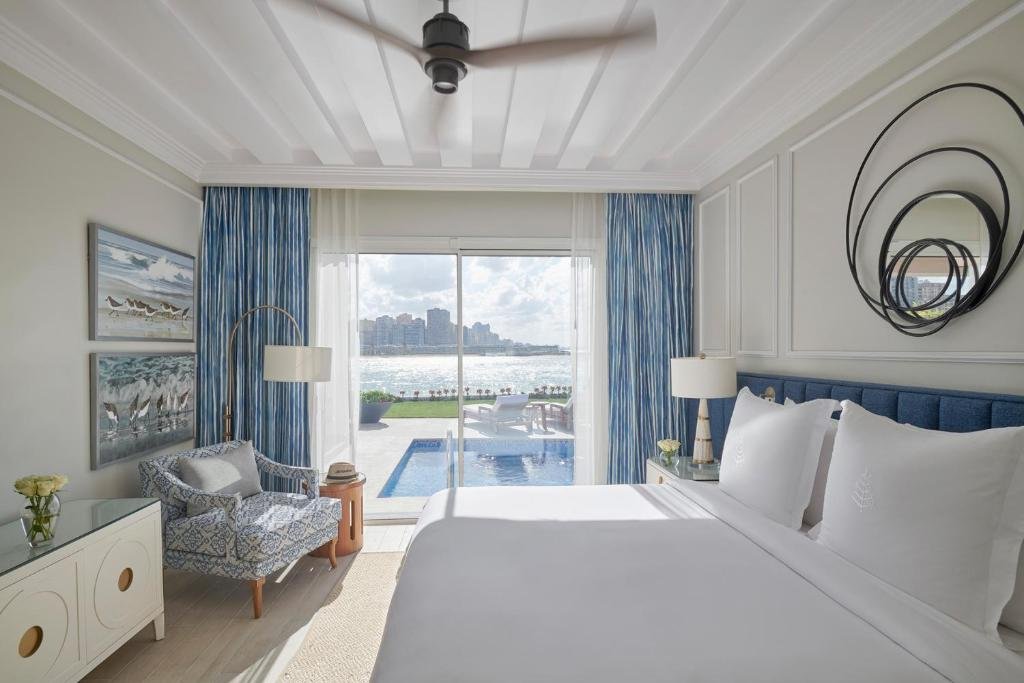
- Why we love it: Best-in-town level service, proper sea views, pool, beach deck. Right inside San Stefano complex = cafés + shopping.
- Best for: Couples, solo splurge, content creators.
- Pick it if: You want “Alexandria, but make it Riviera.”
Hilton Alexandria Corniche
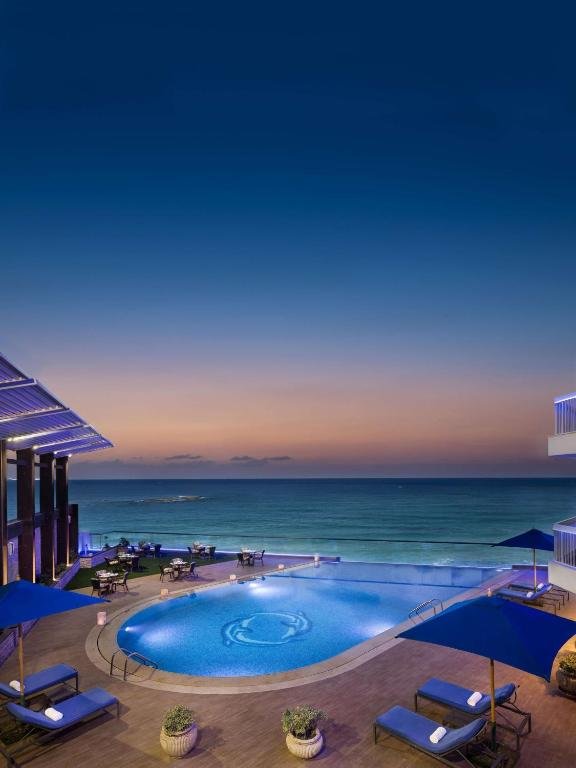
- Why we love it: Reliable international standard, good for families, good location for moving along the Corniche.
- What to ask for: High floor, sea-facing room.
Helnan Palestine (Montaza)
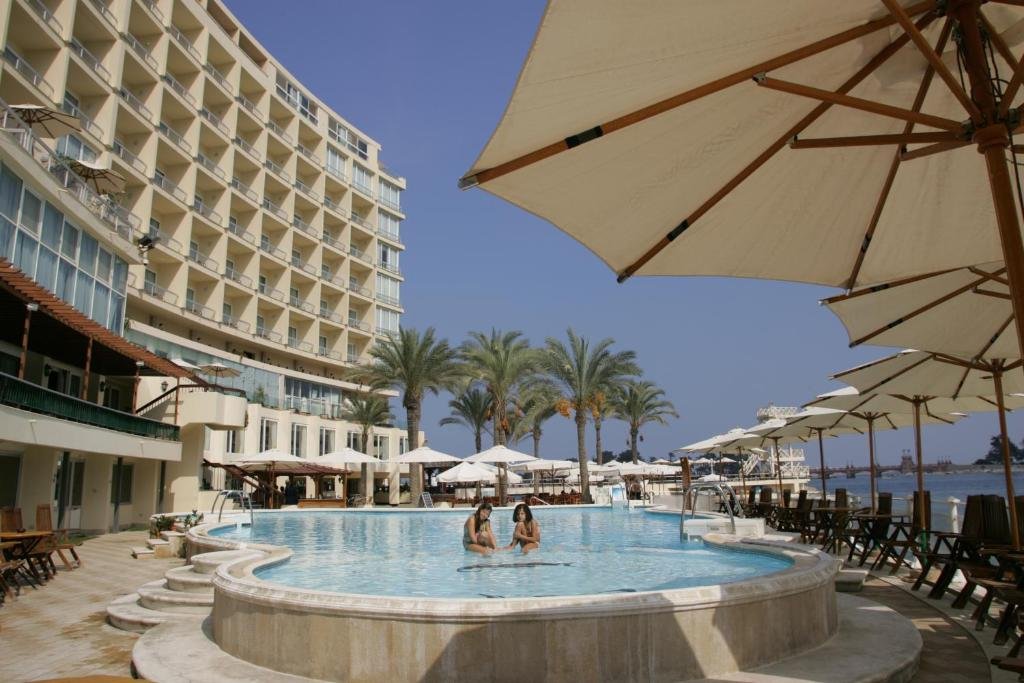
- Why we love it: You’re literally by Montaza Palace & gardens. Peaceful, green, with the sea right there.
- Good for: Families, slower itineraries.
Midrange / Boutique Style
For travelers who want comfort + location but don’t need gold taps.
Paradise Inn Le Metropole (heritage hotel)
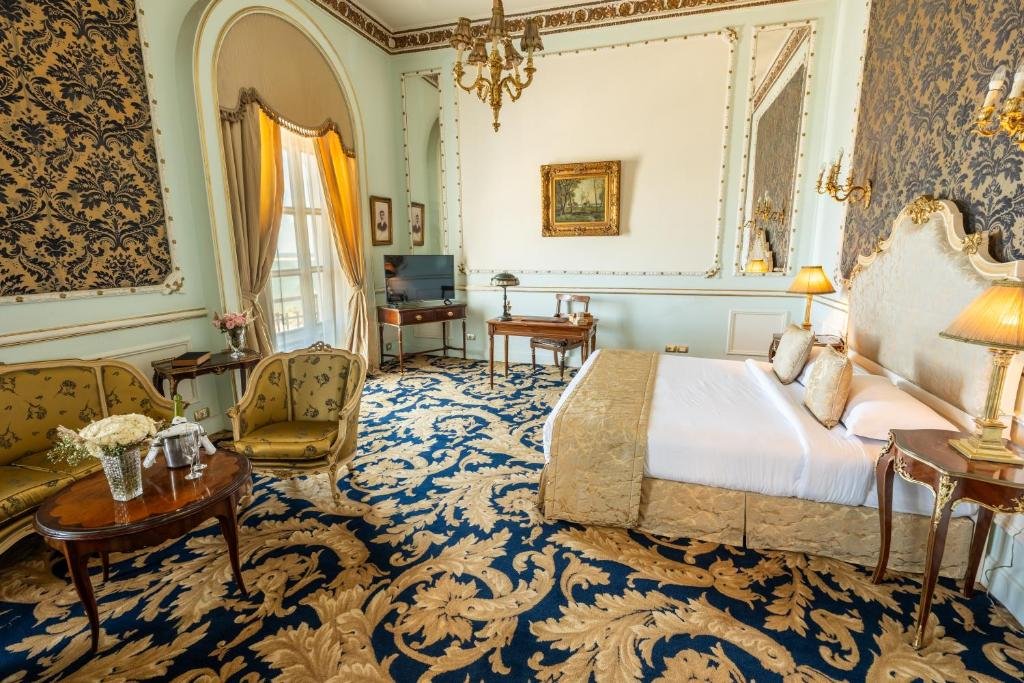
- Why we love it: Old-Alex vibes, balconies, high ceilings — this is the Alexandria of novels.
- Best for: Writers, culture lovers, anyone obsessed with 1920s cafés.
- Pro tip: Ask for a sea-view room — some are stunning, some are meh.
Cherry Maryski (central)
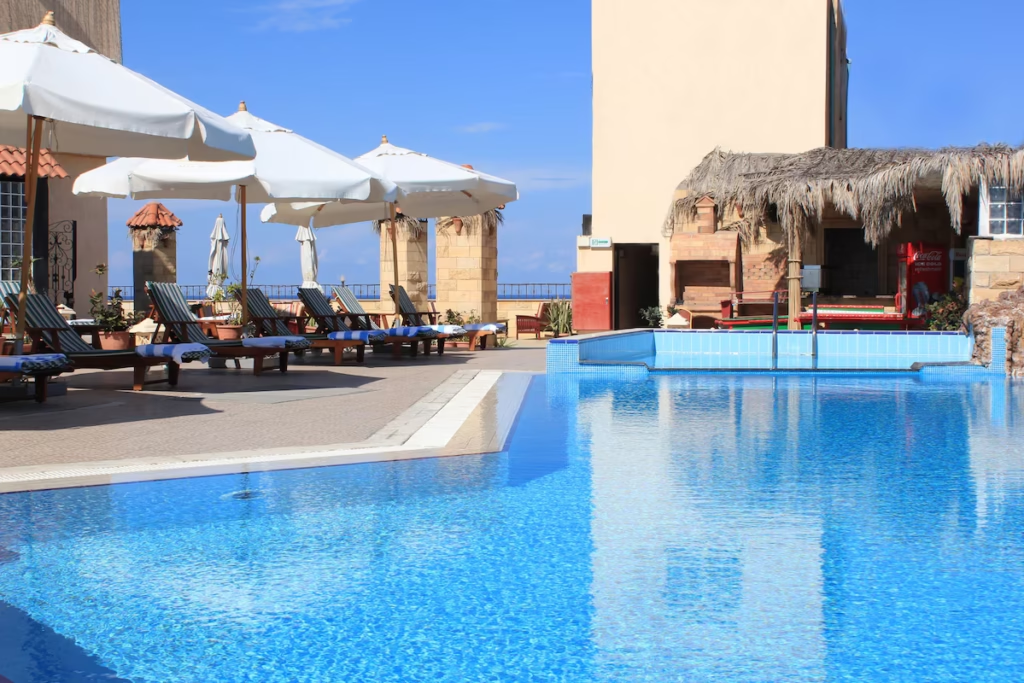
- Why we love it: Solid 4★ feels, walkable downtown location, easy to grab taxis.
- Good for: Short city stays, work trips, digital nomads dipping into Alex.
FAQs – Things to Do in Alexandria Egypt
1. What are the absolute must-see places in Alexandria?
You shouldn’t leave without seeing the Bibliotheca Alexandrina, Qaitbay Citadel (built on the site of the ancient Lighthouse), walking the Corniche, and visiting Montaza Palace & Gardens. If you have time, add the Catacombs of Kom El Shoqafa and the Roman Amphitheatre.
2. Is Alexandria worth visiting if I’m already going to Cairo?
Yes — Alexandria has a totally different mood: Mediterranean, breezier, slower. Cairo is intensity; Alex is waterfront cafés, old European facades, seafood and sea air. It’s the perfect 1–2 day break from Cairo.
3. How many days do I need in Alexandria?
1 day is enough to see the highlights (Citadel + Corniche + Library + seafood). 2 days is better if you want to add Montaza, museums, and slow café time. 3 days if you’re doing day trips along the coast.
4. Can I visit Alexandria on a day trip from Cairo?
Yes. It’s about 2.5–3 hours by train or car, so going early and returning late works. Just plan your route: start with the Catacombs / Amphitheatre, then move toward the Corniche, end at Qaitbay.
5. What’s the best thing to do in Alexandria with kids?
Kids love the Citadel of Qaitbay (castle + sea!), Montaza Park (green space and ice cream), and the Corniche for evening walks. A seafood lunch at the harbor is also fun.
6. Are the beaches in Alexandria good for swimming?
In summer, yes, especially around Stanley, Sidi Bishr, and toward Montaza. But some areas are private or seasonal. Always ask locals about currents and cleanliness that day.
7. What food is Alexandria famous for?
Seafood, seafood, seafood. Go for grilled fish, sayadiya rice, fried calamari, shrimp, and end with Egyptian desserts. Waterfront places near the Eastern Harbor or Stanley are popular.
8. Is it safe to walk the Corniche at night?
Generally yes, especially in popular parts (Stanley, San Stefano, downtown). It’s a local evening hangout. As always: keep valuables close and use regular city sense.
9. What are the best indoor things to do if it’s too hot?
Visit the Bibliotheca, the National Museum of Alexandria, or the Royal Jewelry Museum (beautiful building). You can also do café-hopping along the Corniche.
10. How do I get around Alexandria to see everything?
Taxis and Uber/Careem are the easiest. The city is long, so don’t try to walk it all. Stay central and group sights by area.
- Ultimate Egypt Packing List (2026): What to Bring for the Desert, Cities, and the Red Sea

- Is Egypt Safe For Solo Female Travellers in 2026
- 5 Days In Egypt Itinerary in 2026: Cairo, Luxor & Nile Cruise
- 2026 Ultimate 8 Days In Egypt Itinerary: Cairo, Luxor, Aswan & Abu Simbel (Day-by-Day Guide)
- How To Dress In Egypt | 2026 Tourist Guide