
Travel writing based on first-hand experience
Wondering what to buy in Morocco? Discover the best souvenirs, handmade treasures, and local gems you can’t leave behind.
| ➡️Planning your adventure? Check out our top tips for traveling in Morocco and make your journey smooth, safe, and unforgettable. ➡️Wondering what to wear in Morocco? This guide cuts through the guesswork—what works in real streets, what feels comfortable, and what saves you from packing things you’ll regret by day two. ➡️Here’s our complete, practical guide to driving in Morocco—the stuff that actually keeps your trip smooth, safe, and unforgettable. ➡️Let’s explore the 4 best cities in Morocco to visit and all the places you absolutely need to visit in these prestigious destinations. ➡️If you wonder where Morocco’s coast is at its most beautiful, here are the 14 most beautiful beaches in Morocco worth putting directly onto your map. Swimsuits ready—this coastline does not encourage hesitation. |
Table of Contents
Moroccan Spices
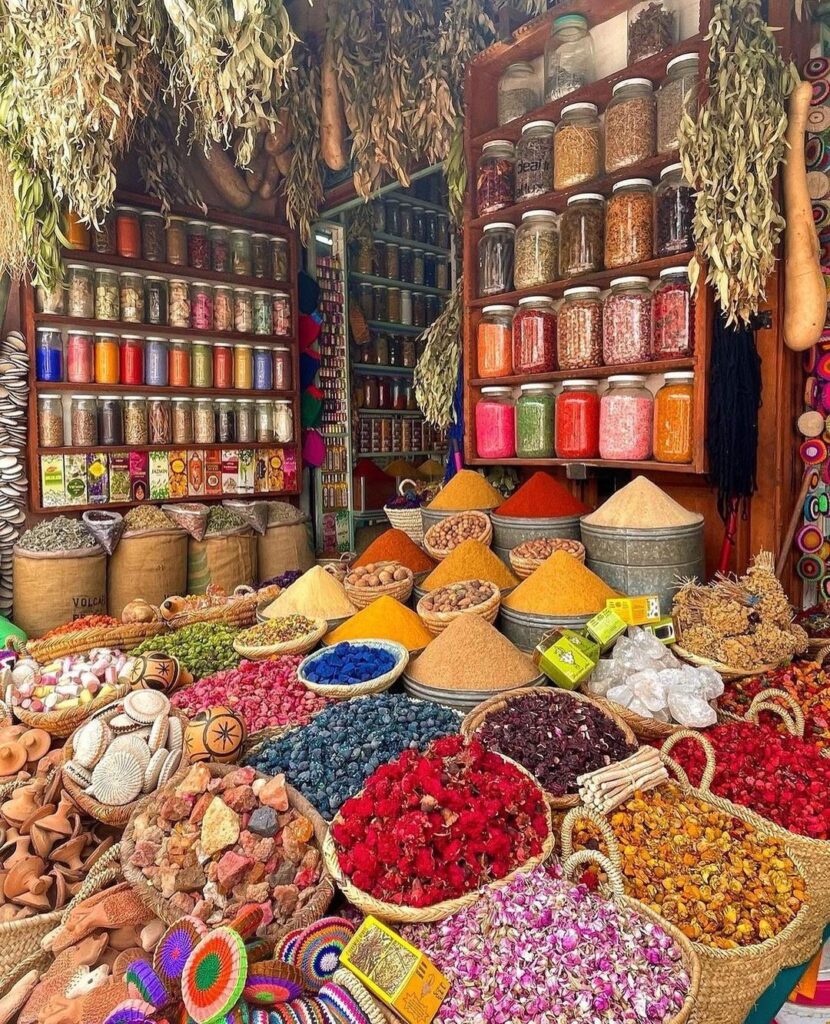
Wandering through Jeema el-Fna Square in Morocco, you don’t just see the city—you smell it first. Grills smoke, orange juice gets squeezed at lightning speed, and spice stalls throw perfume into the air like it’s their job (because it is). If you want a fast-track intro to Moroccan cuisine, this is it—and yes, your stomach will absolutely join the conversation.
The quiet superpower behind so many dishes is ras el hanout: a signature spice blend that can take tagine, rice, or couscous from “nice” to “why don’t we eat like this every day?” Depending on the seller, it can include up to 35 spices, often featuring warm staples like coriander and cumin (and plenty more that smell like a whole market compressed into one scoop). Don’t miss the chance to buy some when you’re in Morocco. Many vendors will grind it fresh on the spot—just tell them if you’d rather take it whole and grind at home for a stronger, fresher punch.
The souks are also prime territory for shopping for cinnamon, saffron, turmeric, and every other jar that makes you feel like a serious cook with a mysterious past. It’s a sensory overload in the best way—color, scent, and (usually) good quality. Just keep your eyes open for fakes, especially with saffron. Trust your nose, buy from busy stalls, and if the price looks too magical to be true… it probably is.
Moroccan Tea
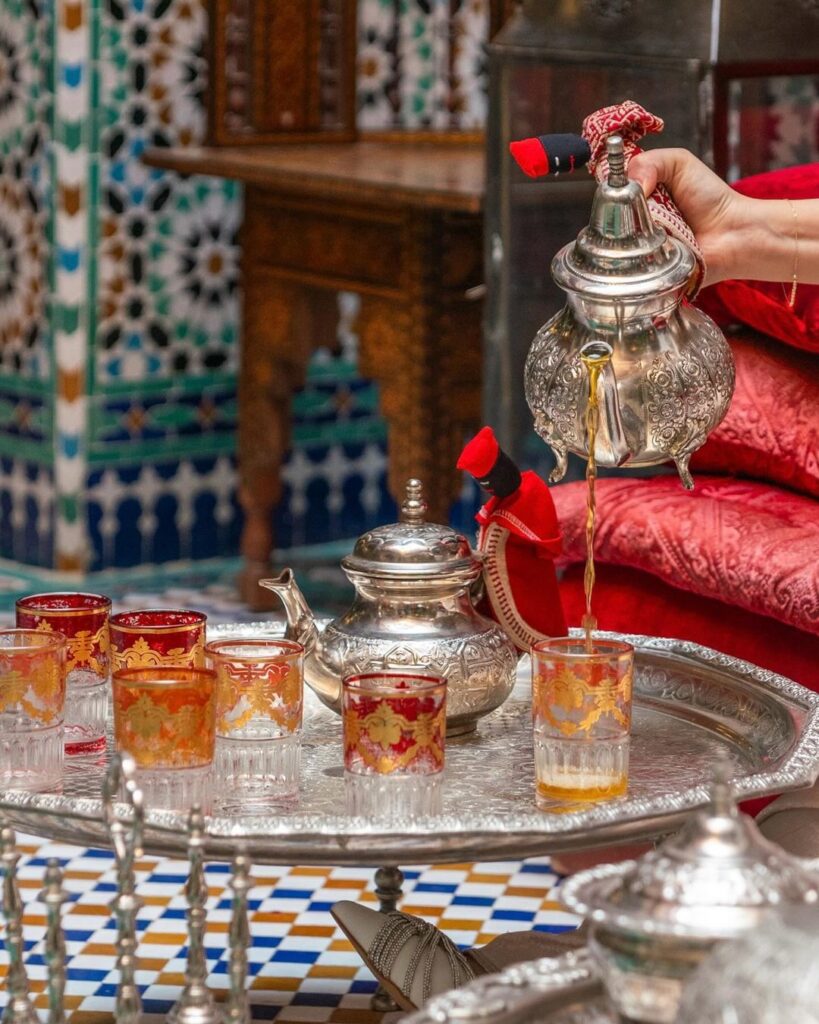
Don’t leave without tucking some Moroccan tea into your bag. It’s the easiest edible souvenir to recreate that “we’re back in Morocco” feeling at home—minty, sweet, comforting, and somehow still dramatic.
Making authentic Moroccan tea is an actual skill (and Moroccans do it like it’s a performance). A classic home method starts with three large spoonfuls of tea in the kettle, about a liter of water, and a generous handful of fresh mint. Those three spoonfuls can stretch to several infusions—each round a little lighter, still delicious, and perfect for long conversations that mysteriously keep happening around the table.
Serving is its own ritual: tea gets poured from high above the glass to cool it slightly and build that frothy top. Expect it to arrive sweetened—hospitality, not an accident. And if someone offers you tea in Morocco, the polite answer is yes. It’s not just a drink; it’s a welcome.
Argan Oil
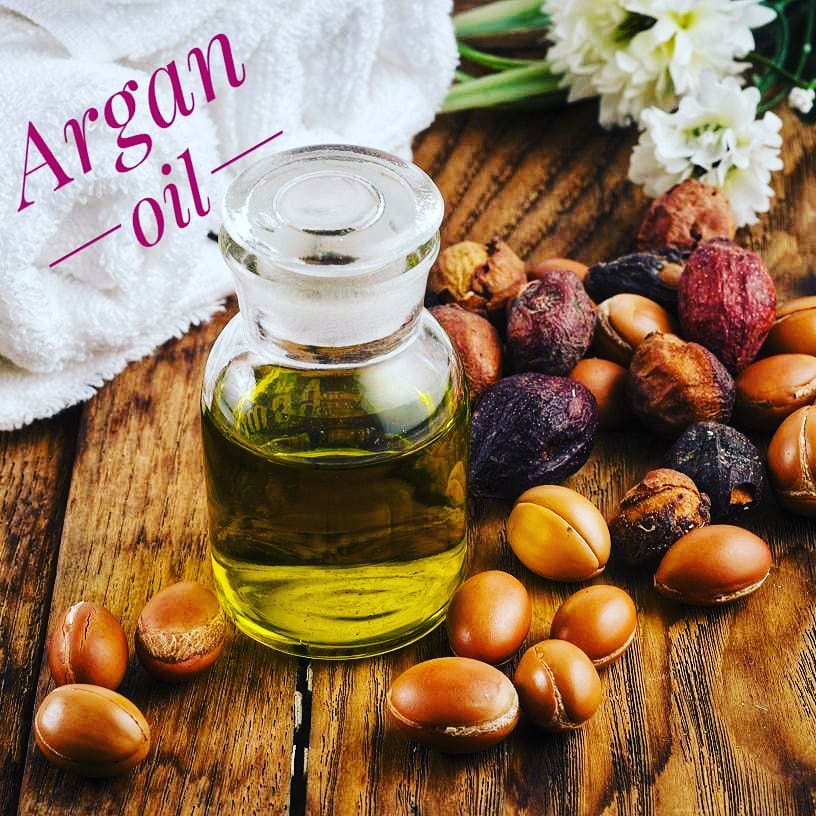
Argan oil—especially the food-grade kind—is one of Morocco’s best “why didn’t we buy more?” souvenirs. It’s nutty, rich, and treated like liquid gold for a reason. It also comes with a story: argan oil is made from the seeds of the argan tree, and the traditional method used to be intensely labour-intensive. Each nut was cracked open by hand with a stone (and yes, goats famously love the fruit so much they’ll climb the trees for it).
After cracking open another layer of seeds, the leftover shells didn’t go to waste—people used them for practical things like briquettes and paving. Then the kernels were roasted (for edible oil), ground into a paste, and the oil was pressed by hand. Getting even a liter could take hours of grinding, with the full process stretching toward a full day’s work.
Modern machines have sped things up, but some Berber villages still produce argan oil the old-school way. Today, you’ll see women’s cooperatives and factories making both culinary and cosmetic versions. And yes, argan oil is among the most expensive cooking oils, because it takes an enormous amount of argan nuts to produce a small amount of oil. Even the leftover paste doesn’t get tossed—it’s used for things like soap.
You’ll also find blends like argan oil with almonds or cocoa. The cocoa version tends to be cheaper, but the almond mix—amlou—is the one to aim for. Just know that finding truly high-quality argan oil can be tricky. A host from our riad told us that even locals don’t always land the best bottles, and recommended buying from Berber women’s cooperatives with a quality certificate. Also worth noting: the argan tree is unique to Morocco and grows naturally only in the southwest.
If you’re a peanut-butter person, consider this your Moroccan upgrade: fresh bread with amlou is the kind of snack that makes you rethink what “simple” food can be.
Honey
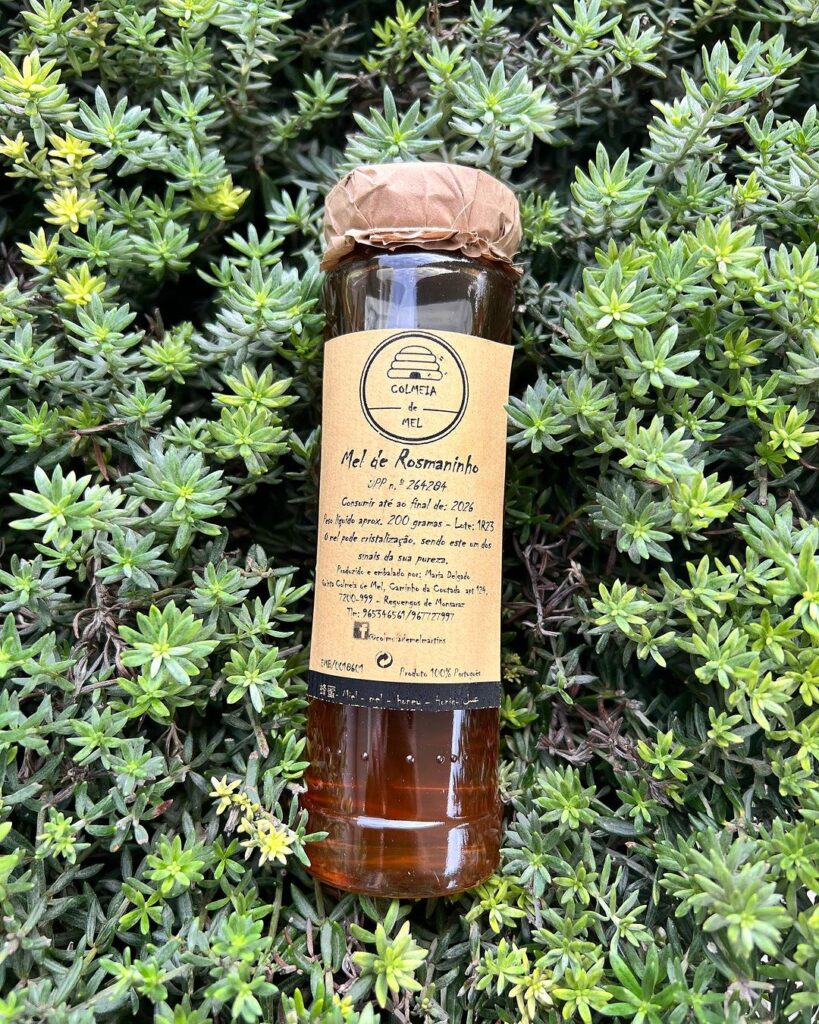
Moroccan honey is the kind of souvenir that makes you smug at breakfast—because you’ll find varieties you don’t see every day back home. Beyond rosemary, lavender, and thyme, you can also pick up honey from prickly pear flowers, which feels like something you’d hear about in a legend. It’s also one of those pantry staples people buy for practical reasons: honey is often used as a natural support for sore throats, and many travelers swear by it during dry, dusty souk days.
Authentic Moroccan Cosmetics
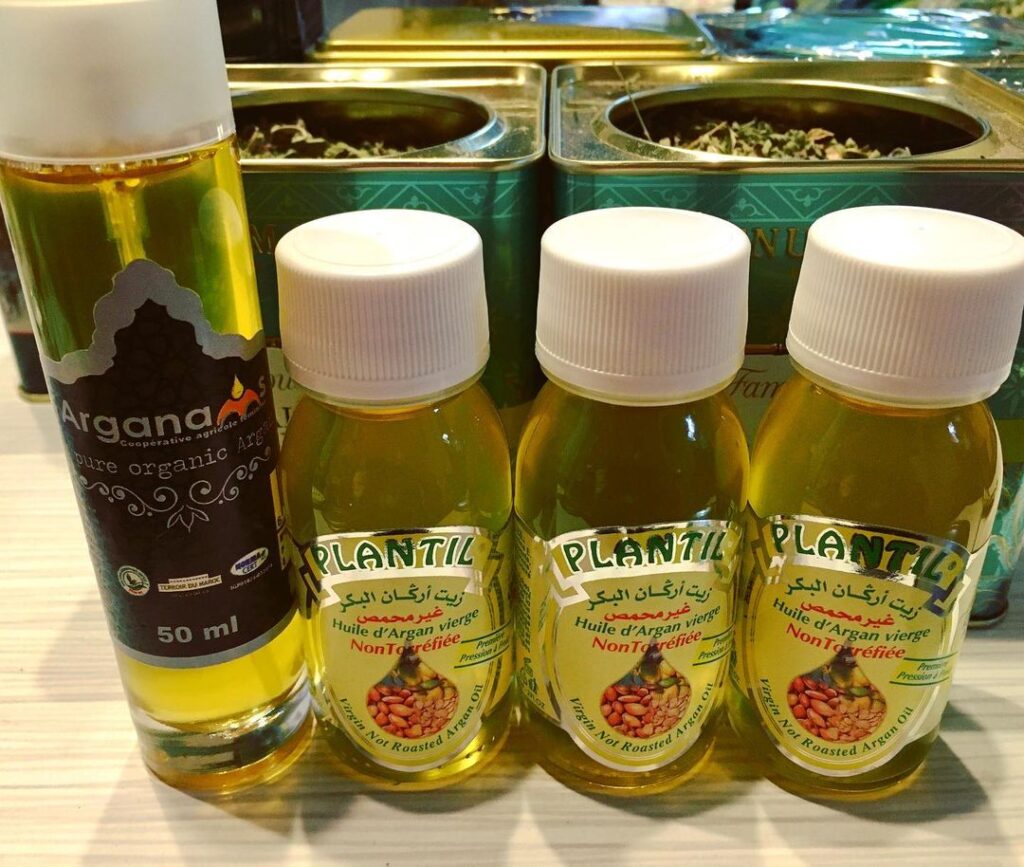
Morocco is famous for beauty products that feel both traditional and genuinely effective, and argan oil is the headline ingredient. The big difference for cosmetic use is how it’s made: cosmetic-grade argan oil is typically cold-pressed. Many people first noticed the skincare benefits through the women working with argan in daily life—then science caught up, pointing to its moisturizing, regenerative feel and vitamin E content, which supports smoother-looking skin.
You’ll find pure argan oil for face and body, plus versions infused with scents like jasmine, rose, or lemongrass—perfect for summer evenings if you want something that feels like fragrance and skincare in one. On my trip, I also grabbed a hair-strengthening serum made with argan oil, and it quickly became a “why didn’t I do this earlier?” buy.
Prickly pear oil
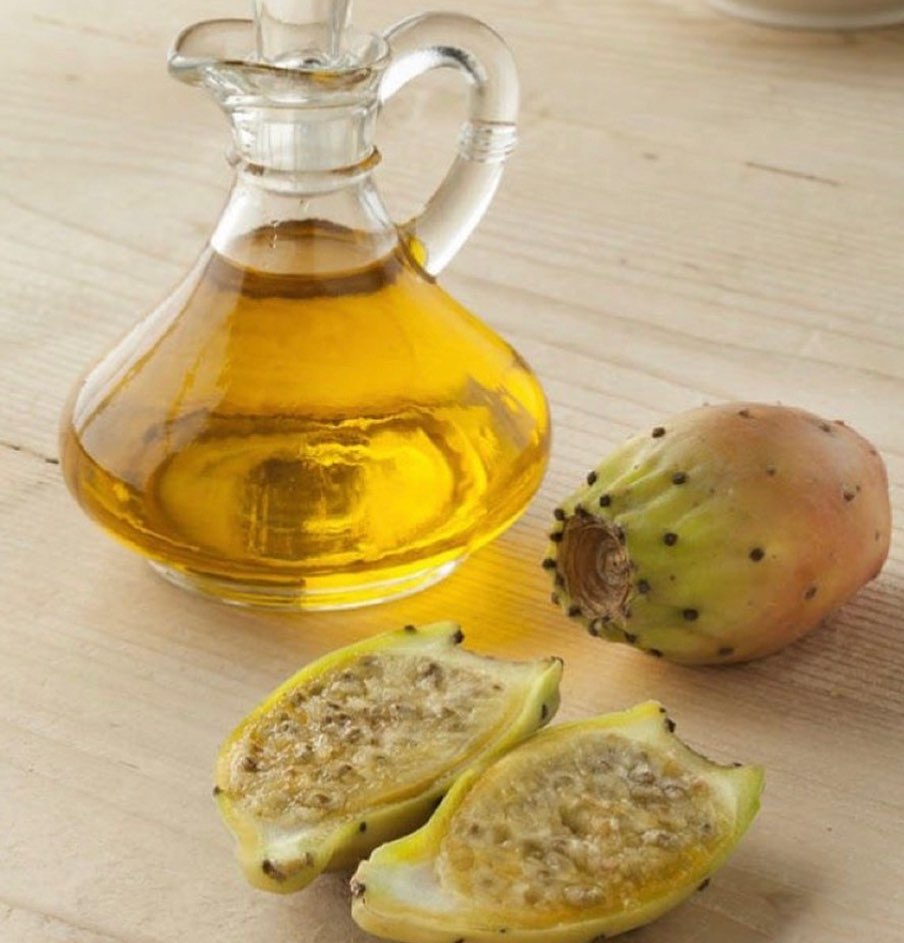
Next up: prickly pear oil, a small-bottle, big-reputation product on Morocco’s natural beauty circuit. It’s definitely pricier, but people love it for how it feels on the skin—so much that it’s picked up nicknames like “natural Botox” and “wrinkle smoother.” You can find it in natural stores in Europe too, but it’s often a bit cheaper when you buy it in Morocco.
Rose oil
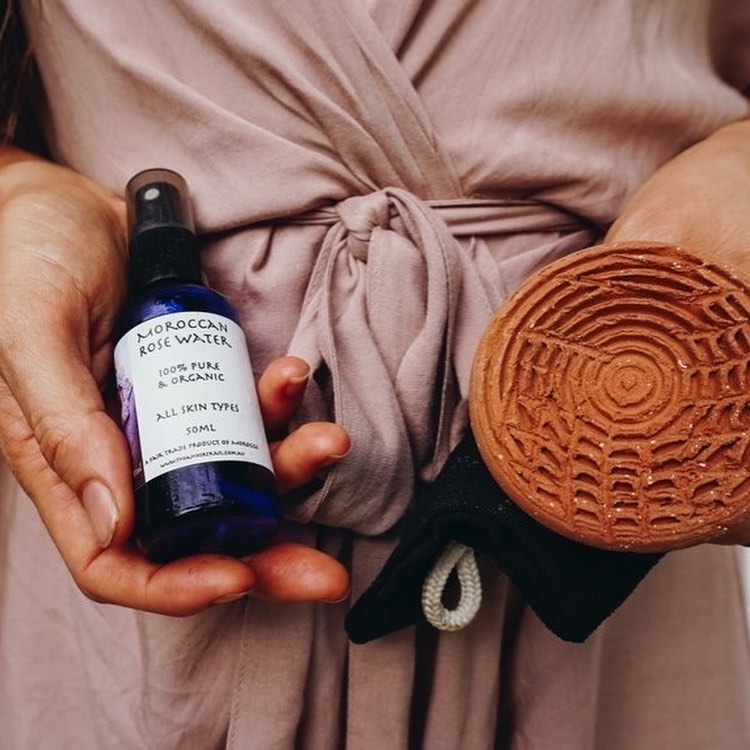
Rose oil is one of those classic, “always useful” buys: it’s prized for its soothing reputation and is often used to calm the look of redness. Moroccans also talk about it in the context of circulation and scalp concerns, including dandruff. A few drops added to a bath can feel like a reset button after a long day of heat and walking. And while you’re at it, pick up rose water too—it’s commonly sold as a hydrolate and is easier to use daily.
Eucalyptus oil
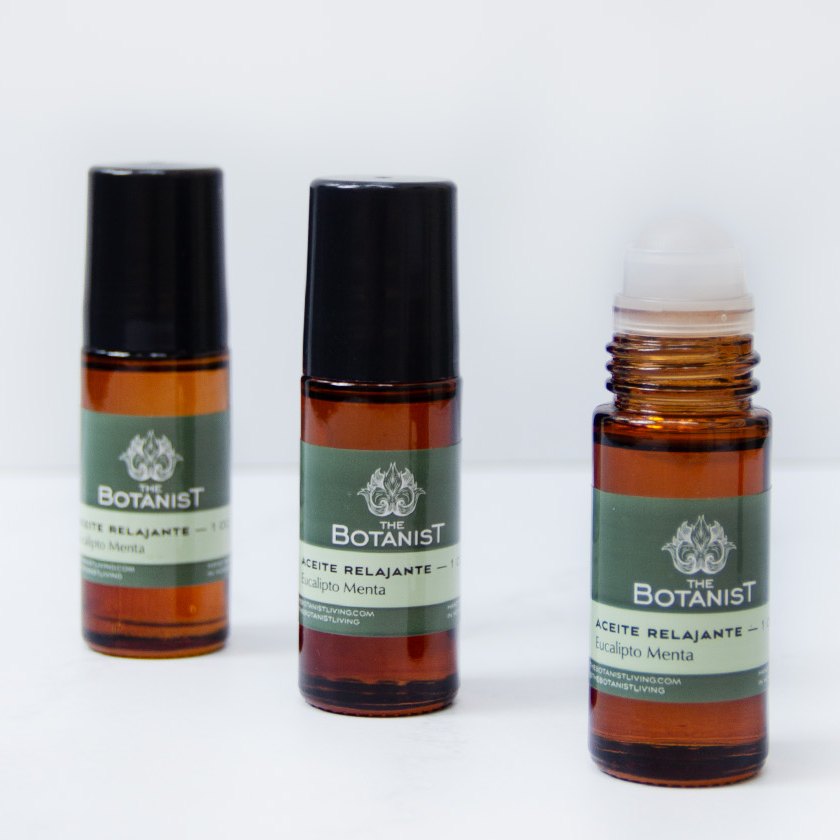
Then there’s eucalyptus oil, a classic for that “clear your head and breathe properly again” feeling. In Morocco, you can also grab dried eucalyptus leaves and crystals. Travelers often buy them for inhalation during the cold season or dusty souk days, or brew them into a strong tea. For inhalation, a little goes a long way—one or two crystals are usually plenty, or you can wrap them in a cloth and inhale for a quick eucalyptus hit.
Perfumes
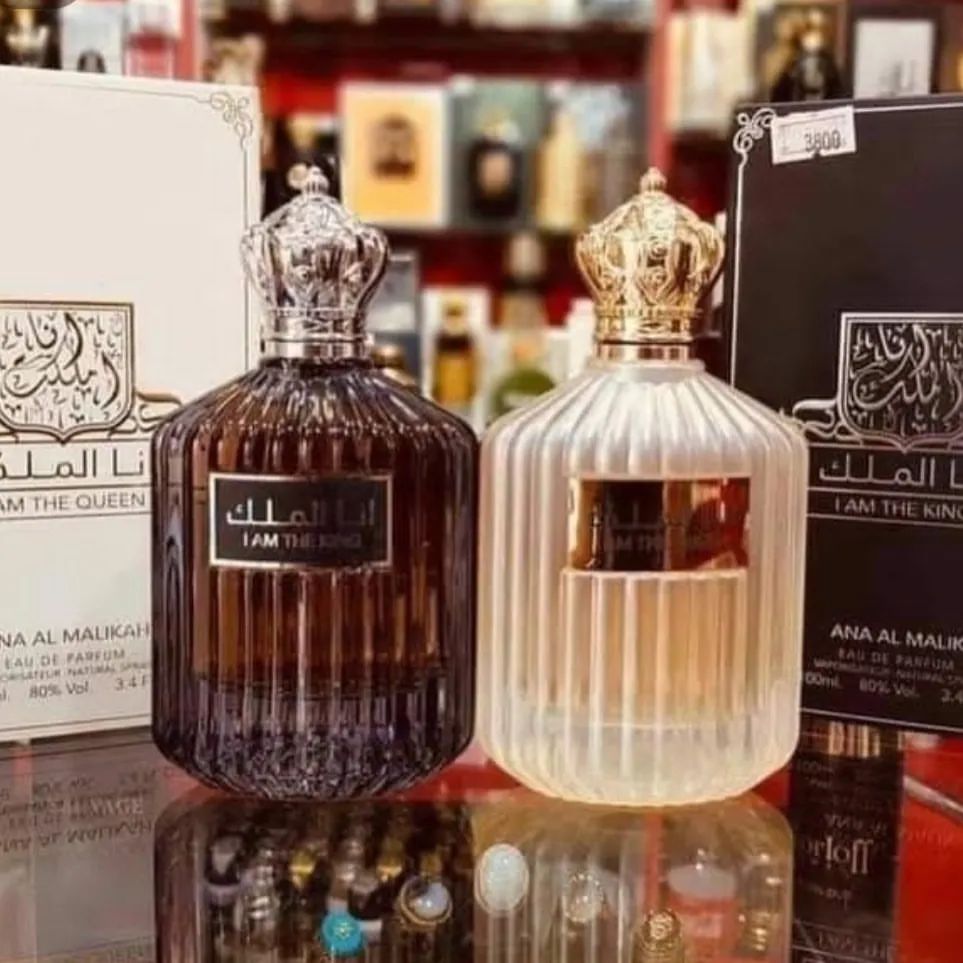
Alcohol-free perfumes in Morocco usually come as concentrated perfume oils—and they’re tiny bottles with huge personalities. A few milliliters lasts ages because they’re intensely concentrated: one small drop can linger on skin for hours (and cling to scarves for even longer). Use a light hand, because the wrong amount turns “mysterious” into “we can smell you from the next souk.” These scents also carry cultural weight; fragrance has long been a form of presence and allure, so expect something richer and more intense than many European perfumes.
When you’re testing perfumes at markets, dab a little on skin and see how it develops—then check it again a few hours later, because quality can vary. If you want a safer bet for branded Arabic perfumes, duty-free at the airport is often the easiest option. You’ll also find solid perfume bars, which are brilliant for closets and drawers—your clothes will smell like Morocco even when you’re back to normal life.
Handmade Tagines
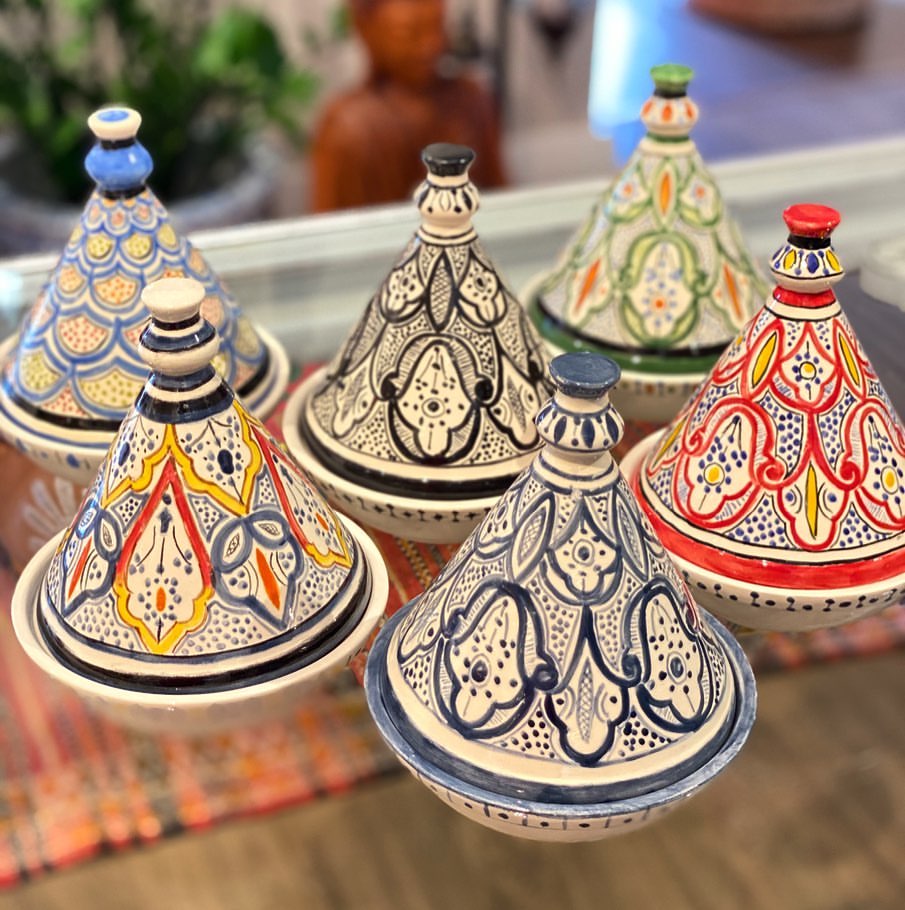
Tagines are the “we’re bringing the cuisine home” souvenir. In the markets, you’ll see every size and design, from small and decorative to large and built for serious cooking. If you’re actually planning to use it on a stove, simpler designs are usually the safest choice. Pro tip: don’t forget to season your tagine before the first use—future-you will thank you.
Leather Products
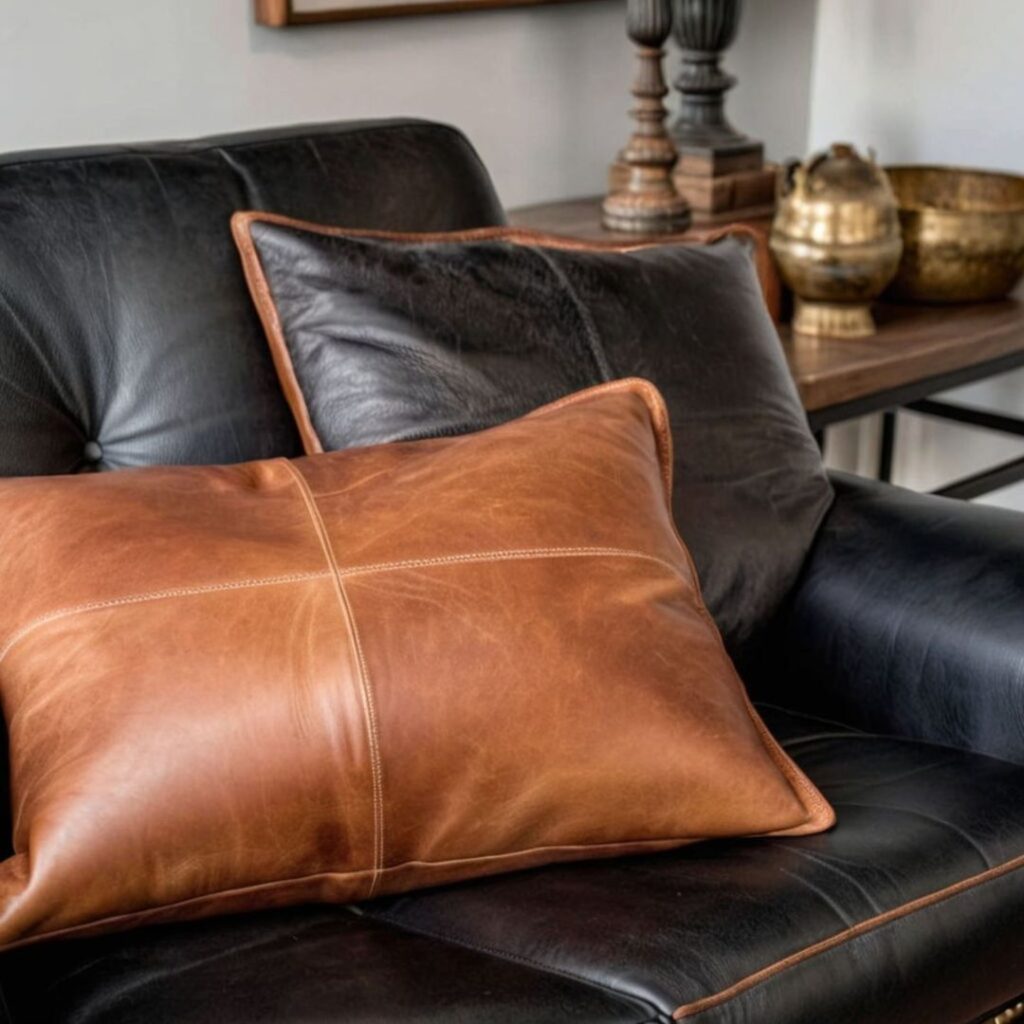
Leather goods are another classic Moroccan win, known for their quality and variety. You’ll see everything from sandals and backpacks to jackets, cushions, and pouffes, often with hand-stitched details and embroidery that show off real craft. You’ll also find breezy clothes made from natural materials—perfect for Morocco’s warm climate and all the walking you’ll inevitably do.
Moroccan Craftmanship
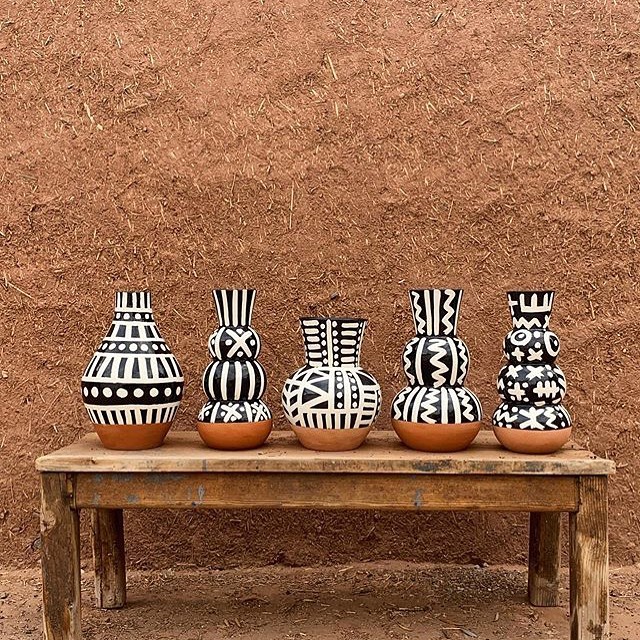
Ceramics are the first thing that will make you forget luggage limits. The patterns are hypnotic, the colors are bold, and suddenly you’re mentally redecorating your kitchen. In the medina’s narrow lanes, you’ll also spot brass artisans hammering out everything from trays to lamps like it’s nothing. If a full-size lamp won’t survive your suitcase, go for tea light covers—small, beautiful, and actually packable. And don’t miss hand-woven carpets, one of Morocco’s most iconic craft signatures.
Handmade Magnets
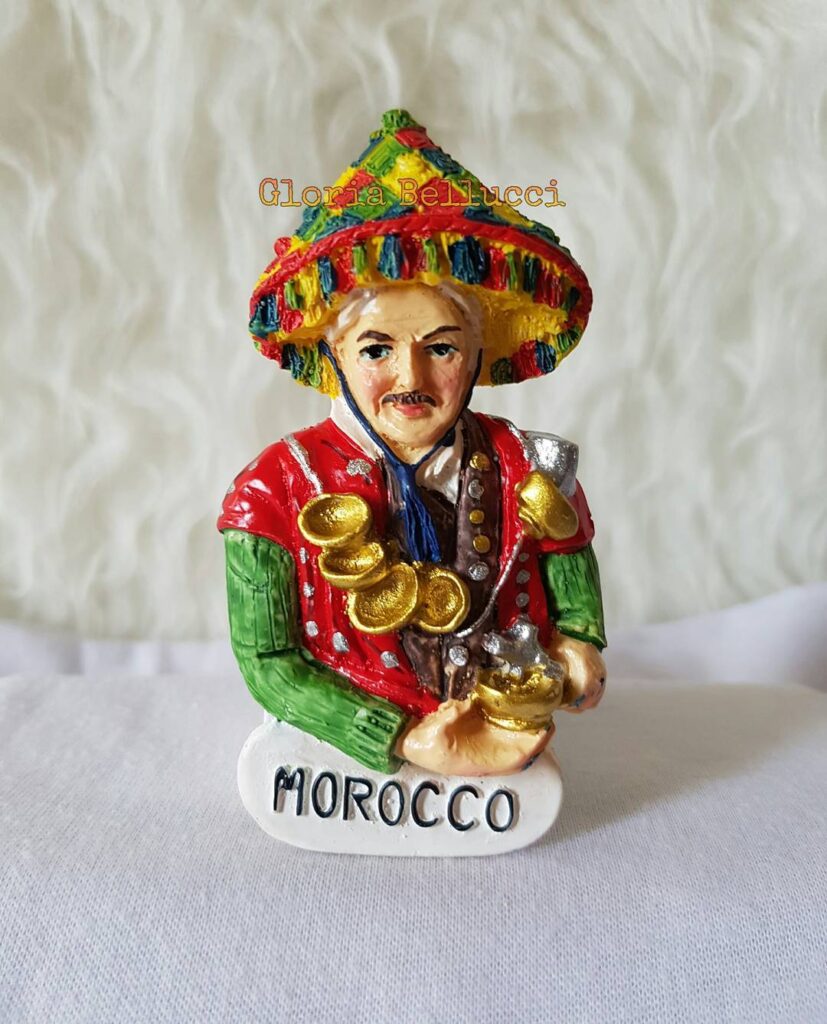
Magnets are the small and easy souvenir, but Morocco can do them better than the usual mass-produced fridge clutter. In Marrakech, you can find unique handmade ones—a much nicer upgrade from the generic versions you’ll often see in heavily touristed beach towns.
- Perfect Morocco with kids Itinerary (2026): 25 Days from Tangier to the Anti-Atlas, Coast, and Marrakech
- Where To Stay In Agafay Desert in 2026: Luxury Moroccan Holidays
- 14 Most Beautiful Beaches In Morocco (2026)
- What To Wear In Morocco (2026): Real-World Travel Guide For Female Travellers
- 3 Best Places To Stay in Marrakech Medina [2026 Updated]