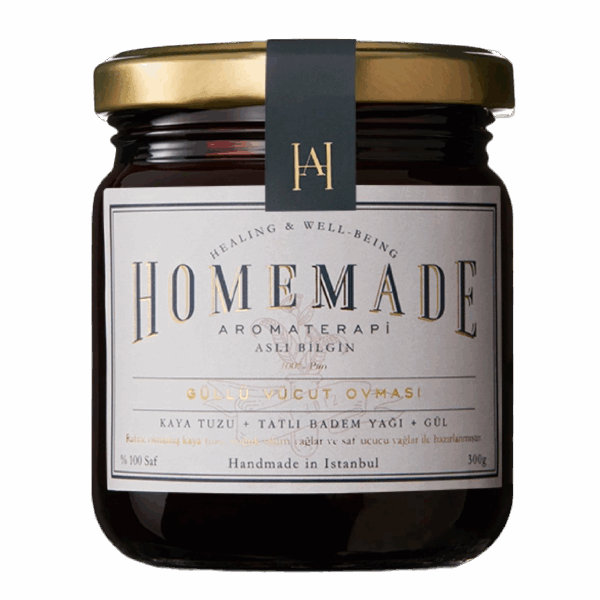

Travel writing based on first-hand experience
Wondering what to bring back from your trip? Discover the 18 best things to buy in Turkey — from handwoven carpets and Turkish delight to evil eye charms, ceramics, spices, and more. A guide to shopping like a local in 2026.
| Planning to shop in Istanbul? Start with these guides: ➡️What to buy in Istanbul — the standout souvenirs, local specialties, and under-the-radar finds to look for. ➡️Coolest gift shops in Istanbul– the best places to shop — from polished, practical finds to quirky little treasures with actual personality. ➡️Historic shopping streets and passages in Istanbul — for old-world charm, character, and unique browsing. ➡️Best malls in Istanbul — where to go for luxury brands, modern shopping, and all-weather retail therapy. ➡️Where to go cheap shopping in Istanbul — budget-friendly areas for deals, treasure hunts, and lower-key local shopping. |
Table of Contents
Black Sea Region

| Cities: Trabzon, Rize, Ordu, and Giresun Key Souvenirs: Tea, hazelnuts, wooden crafts, and handmade textiles |
Known for its lush landscapes and fertile soil, the Black Sea region is famous for high-quality tea and hazelnuts. Visit Rize for locally harvested tea, often sold in beautiful packaging perfect for gifts. The Black Sea also produces stunning handmade crafts, including wood-carved objects and knitted socks, which are popular in markets. Other items include local honey and corn-based dishes, giving you a taste of the region’s traditional flavors.
Marmara Region

| Cities: Istanbul, Bursa, Edirne, and Çanakkale Key Souvenirs: Turkish delight, olive oil, silk textiles, and traditional ceramics |
Istanbul’s Grand Bazaar and Spice Bazaar are must-visit destinations for those looking to bring home Turkish delight, spices, and intricate ceramics. In Bursa, the historic capital of the Ottoman Empire, you’ll find silk scarves and textiles, reflecting the city’s silk heritage. Edirne, close to the Greek and Bulgarian borders, is known for its stunning soap and candle crafts, as well as olive oil from the surrounding olive groves.
Aegean Region

| Cities: Izmir, Bodrum, Muğla, and Aydın Key Souvenirs: Olive oil, ceramics, natural cosmetics, and wines |
The Aegean coast is a popular destination for its stunning beaches, ancient ruins, and picturesque towns. Olive oil from this region is especially prized, as are artisanal soaps and cosmetics made from local herbs and oils. Izmir’s local markets are also great places to pick up ceramics painted in traditional blue and white designs. Wine lovers will appreciate bottles from local vineyards, especially from towns like Urla and Sirince, known for their wine production.
Mediterranean Region

| Cities: Antalya, Mersin, Adana, and Hatay Key Souvenirs: Citrus products, jams, rugs, and natural skincare |
With endless sunshine and beaches, the Mediterranean region is famous for its fresh produce, especially oranges and lemons. Citrus jams, including those made from oranges, grapefruits, and lemons, make wonderful gifts. The area is also known for handwoven carpets and natural beauty products made from herbs. In Adana and Hatay, traditional spices and cooking ingredients are also popular, including unique blends and pastes used in local cuisine.
Central Anatolia

| Cities: Ankara, Konya, and Cappadocia (Nevşehir) Key Souvenirs: Pottery, wine, textiles, and Sufi-themed items |
Central Anatolia, home to Turkey’s capital Ankara, and the unique landscape of Cappadocia, is renowned for its historical and spiritual significance. In Cappadocia, you’ll find intricately designed pottery and wines made from indigenous grapes. Konya, the city of Rumi and the Whirling Dervishes offers Sufi-inspired items such as figurines, dervish-themed trinkets, and sweets like Mevlana candy. The region also produces woolen textiles and handwoven carpets, perfect for home decor.
Southeastern Anatolia

| Cities: Gaziantep, Mardin, and Şanlıurfa Key Souvenirs: Baklava, spices, copperware, and pistachios |
This region, steeped in history and ancient traditions, is famous for its culinary delights. Gaziantep is the birthplace of baklava, often made with local pistachios and offers a vast selection of dried fruits and spices. In Mardin, visitors can buy beautiful filigree silver jewelry, handcrafted copper items, and aromatic spices. Urfa, known as the “City of Prophets,” offers local products like pomegranate molasses and deliciously spiced kebabs, perfect for adding a taste of Turkey to your kitchen.
Eastern Anatolia

| Key Souvenirs: Oltu stone jewelry, honey, cheese, and handmade textiles Cities: Van, Erzurum, Kars, and Malatya |
The mountainous landscapes of Eastern Anatolia make this region unique, with its cold climate and high-altitude beauty. Erzurum is known for jewelry crafted from Oltu stone, a rare, semi-precious black stone. Van offers a distinctive variety of honey and traditional Kurdish textiles. Kars, famous for its unique cheese, is a treat for culinary enthusiasts. Malatya’s apricots, both fresh and dried, are also highly popular.
City-Specific Gift Ideas

- Istanbul: Istanbul offers a shopping experience like no other, with its vast selection of Turkish delights, spices, textiles, and ceramics. The Grand Bazaar is a treasure trove of Turkish carpets, evil eye talismans, and silver jewelry, while the Spice Bazaar is perfect for exotic spices and teas.
- Bursa: Known as the “Green City,” Bursa is famous for its silk production and traditional Turkish towels. Visitors can also pick up jars of delicious chestnut honey, olive oil, and handwoven textiles, all with a rich history tied to the Ottoman Empire.
- Izmir: Izmir is known for its stunning coastline and rich history, which is reflected in its local products. Olive oil, soaps, wines, and ceramics from Izmir are beautifully crafted and offer a taste of Aegean life. You’ll also find local jams and dried fruits, perfect for sampling the region’s agriculture.
- Antalya: With its rich history and Mediterranean coastline, Antalya offers handmade carpets, citrus-based jams, natural beauty products, and jewelry inspired by ancient designs.
- Konya: Known for its spiritual connection to Rumi, Konya is the ideal place to find Sufi-inspired items, including dervish figurines, Sufi poetry books, and the traditional Mevlana candy. Konya’s local cuisine is also famous, making items like dried herbs and spices popular souvenirs.
- Gaziantep: Gaziantep’s baklava, often considered the best in Turkey, is made with local pistachios. Copperware, handmade textiles, and a wide variety of spices are also popular, reflecting the city’s culinary heritage.
- Van: Van is famous for its breakfast culture, offering rich honey and cheeses, which make unique gifts. You can also find traditional Kurdish handicrafts, such as woven rugs and jewelry, showcasing the local culture.
Popular Souvenirs for International Tourists

For international tourists, Turkey offers a wide range of beloved items, many of which are found in Istanbul’s Grand Bazaar. Popular choices include:
- Textiles and Carpets: Turkish carpets and kilims are some of the most iconic Turkish souvenirs, reflecting centuries-old craftsmanship and intricate designs.
- Turkish Delight: Found in a wide variety of flavors, Turkish Delight is a favorite for those looking to bring home a taste of Turkey.
- Spices: Visitors love Turkey’s unique spice mixes, including sumac, paprika, cumin, and saffron, which add a distinct flavor to any dish.
- Handmade Ceramics: Traditional Turkish ceramics, with their bright blue and white designs, are perfect for both decorative and practical uses.
- Evil Eye Beads: Symbolizing protection, these beads are found throughout Turkey, making for a meaningful and inexpensive souvenir.
- Jewelry and Silverware: From filigree designs in Mardin to gold and silver in Istanbul, Turkey offers a vast selection of jewelry options for all tastes.
FAQs — Best Things to Buy in Turkey
1) What are the classic Turkish souvenirs?
Lokum (Turkish delight), baklava, spices, tea/coffee sets, peshtemal towels, ceramics, copperware, lamps, leather, jewelry, and rugs/kilims.
2) Which edible gifts travel best?
Vacuum-sealed baklava, lokum in tins, Antep pistachios, dried apricots/figs, honey, and sealed jars of tahini or pomegranate molasses.
3) Which spices should I buy?
Pul biber (Aleppo flakes), isot/Urfa pepper, sumac, baharat mixes, nigella seeds, and good saffron from Safranbolu. Label check = freshness.
4) Tea or coffee—what to get?
Rize black tea, tulip-shaped glasses, a slim teapot set; for coffee, a cezve (ibrik), finely ground Turkish coffee, and little porcelain cups.
5) Are Turkish towels worth it?
Yes—light, quick-dry peshtemals from Denizli cotton. Look for tightly woven, pre-washed towels that soften more over time.
6) What about ceramics?
İznik-style tiles and bowls, Avanos (Cappadocia) pottery. Ask for lead-free glaze and proper packing; many shops ship internationally.
7) Are mosaic lamps practical to bring home?
They can be—ask for flat-pack kits and EU/US plug options. Keep the receipt for customs and test the socket/voltage at home.
8) Is copperware a good buy?
Totally—hand-hammered pots, trays, and cezves. Tin-lined for cooking; purely decorative pieces don’t need lining.
9) Rugs vs kilims—what’s the difference?
Rugs are knotted pile; kilims are flat-weave. Natural-dye, hand-woven pieces cost more but age beautifully. Always get a written certificate.
10) How do I avoid fakes or machine-made rugs?
Check the back (clear knots), edges/fringe integrated into the weave, and fiber labels (wool/silk/cotton). Buy from reputable dealers.
11) Is leather a smart purchase?
Yes—jackets, bags, sandals. Inspect stitching, zippers, and grain; real leather smells natural, not plasticky. Bargain politely.
12) What jewelry is popular?
Gold 14k/18k (585/750 hallmark), sterling silver (925), and nazar (evil eye) pieces. Ask for hallmarks and a stamped receipt.
13) Hammam goodies to bring?
Olive-oil soap, rosewater, black soap, kese exfoliating mitts, and copper bowls—an easy spa kit for home.
14) Is “Turkish saffron” real?
In Safranbolu, yes; elsewhere you’ll often see safflower sold as “saffron.” Look for “Crocus sativus” on the label.
15) Regional gems to target?
Gaziantep pistachios and baklava, Bursa silk scarves, Avanos pottery, Kütahya ceramics, and Şirince fruit wines.
16) Can I buy antiques or old coins?
Avoid anything that looks archaeological. Exporting antiques requires a museum permit; without it, items can be confiscated.
17) Any shipping tips for bulky buys?
Use shop-arranged DHL/UPS with insurance. Photograph items and paperwork; keep carpet certificates and invoices for customs.
18) How do I bargain?
Smile, ask the price, counter ~30% lower, and move slowly. Cash often gets better deals; walking away is a polite tactic.
19) VAT refunds—do I qualify?
Many shops offer Tax Free for tourists over a threshold. Bring passport, get tax forms, and stamp them at the airport before departure.
20) Any allergy or ingredient traps?
Nuts and sesame are everywhere; lokum can contain hazelnut/pistachio. Check labels and ask staff to confirm ingredients.
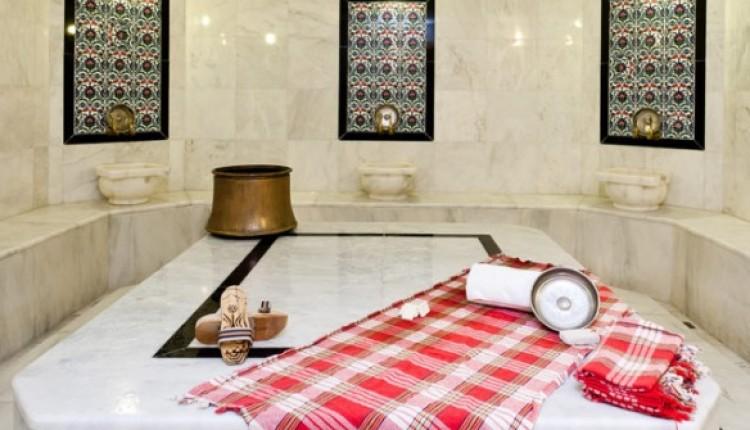
- What to Wear in a Turkish Bath (2026): Ultimate Hammam Dress Code & Massage Etiquette
- 2026 Turkey Travel Tips: Useful Things to Know From A Local

- 2026 Turkey Packing List: Essential Travel Items and Tips
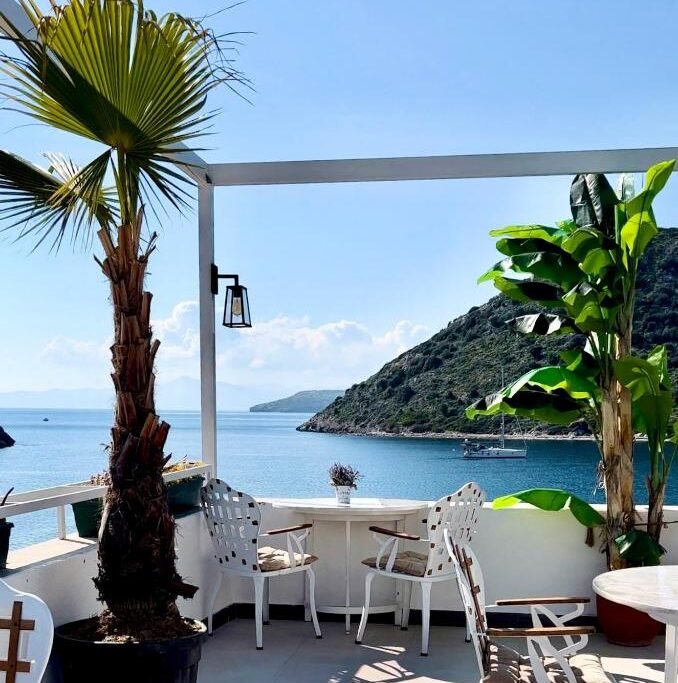
- Where To Stay In Bodrum (2026): Best Neighborhood & Top Hotel Picks
- 22 Top Turkish Cosmetics Brands (2026 Edition)