
Travel writing based on first-hand experience
Istanbul, with its rich history spanning the Roman, Byzantine, and Ottoman periods, boasts a multicultural heritage that’s reflected even in its shopping experiences. In this guide, we’ll explore some of the city’s nostalgic streets and historical passages where you can indulge in unique shopping in Istanbul.
But of course, there are also modern shopping malls to shop in Istanbul. If you want to read our content about them, I recommend our article on the best shopping malls in Istanbul.
Planning a trip to Istanbul? Start here:
➡️ The Ultimate Istanbul Itinerary (1–7 days)
➡️ 3 Days in Istanbul: Perfect First-Time Itinerary
➡️ 20 Best Places to Visit in Istanbul
➡️ Hidden Gems in Istanbul Most Tourists Miss
➡️ Unique Things to Do in Istanbul
➡️ Best Istanbul Street Food You Must Try
➡️ Authentic Local Experiences in Istanbul
➡️ Best Museums in Istanbul
➡️ Best Art Galleries in Istanbul
Table of Contents
1. Istiklal Street (İstiklal Caddesi)

Istiklal Street remains Istanbul’s signature shopping avenue. in the 19th century, Beyoğlu (then Pera) transformed at the end of the Ottoman era and stood alongside Europe’s great boulevards in ambition and style.
Embassies, banks, and grand hotels concentrated here, and wealthy non-Muslim patrons commissioned elegant buildings across Beyoğlu. As you browse the displays at street level, look up to notice the restored facades and architectural details—cornices, frescoes, and balconies that still convey the district’s former prestige.
Many of the covered passages date to the late 1800s. After Sultan Abdülmecid moved to Dolmabahçe Palace, Beyoğlu’s cultural life often outshone that of the Historic Peninsula.
Known locally as Cadde-i Kebir and to foreigners as the Grand Rue de Pera, Istiklal has repeatedly renewed itself and continues to draw both residents and visitors.
Istiklal Street location
Atlas Passage (Atlas Pasajı)

Built in 1870 by Agop Köçeoğlu, a prominent Armenian figure close to Sultan Abdülaziz, Atlas stands out for its high ceilings, wall frescoes, and gilded accents. It once served the PTT and today combines the historic Atlas Cinema with independent clothing and accessory shops. It is an excellent stop for distinctive garments and retro eyewear.
Atlas Passage location
Halep Passage (Halep Pasajı)

Opened in 1884 by Haciyar Hacar, Halep reflects an eclectic style with refined reliefs and a medallion depicting Aleppo’s citadel—an homage to the founder’s hometown. Beyoğlu Cinema occupies the lower floor, while upper levels host clothing vendors and small shops for books, silver, paintings, posters, and frames. A meal at Münhasır near the entrance makes a pleasant pause.
Halep Passage location
Hazzopulo Passage
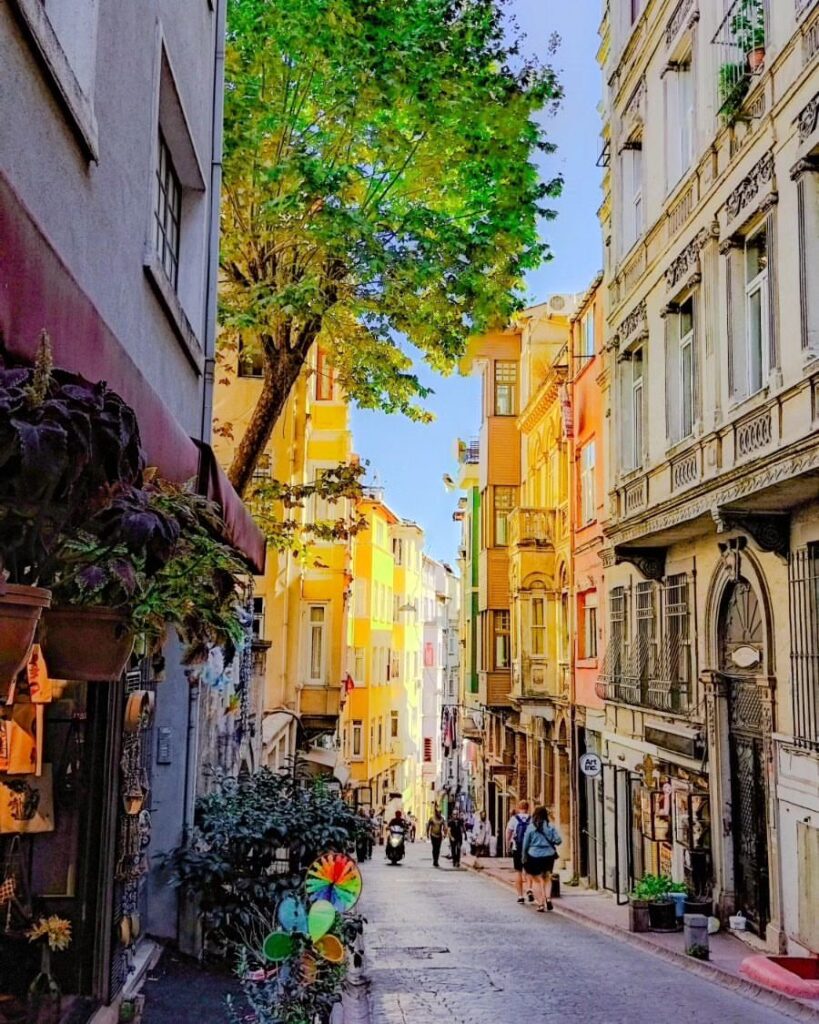
Founded in 1871 by Greek entrepreneur Kiryaki Hazzopulo, this arcade is arranged around a bright central courtyard. It once gathered notable non-Muslim tradespeople—renowned photographer Ara Güler’s father operated a pharmacy here—and a traditional milliner still crafts elegant hats. Today, around forty shops span perfumery, leather goods, jewelry, and books, linking Istiklal and Meşrutiyet Streets.
Hazzopulo Passage location
Aznavur Passage
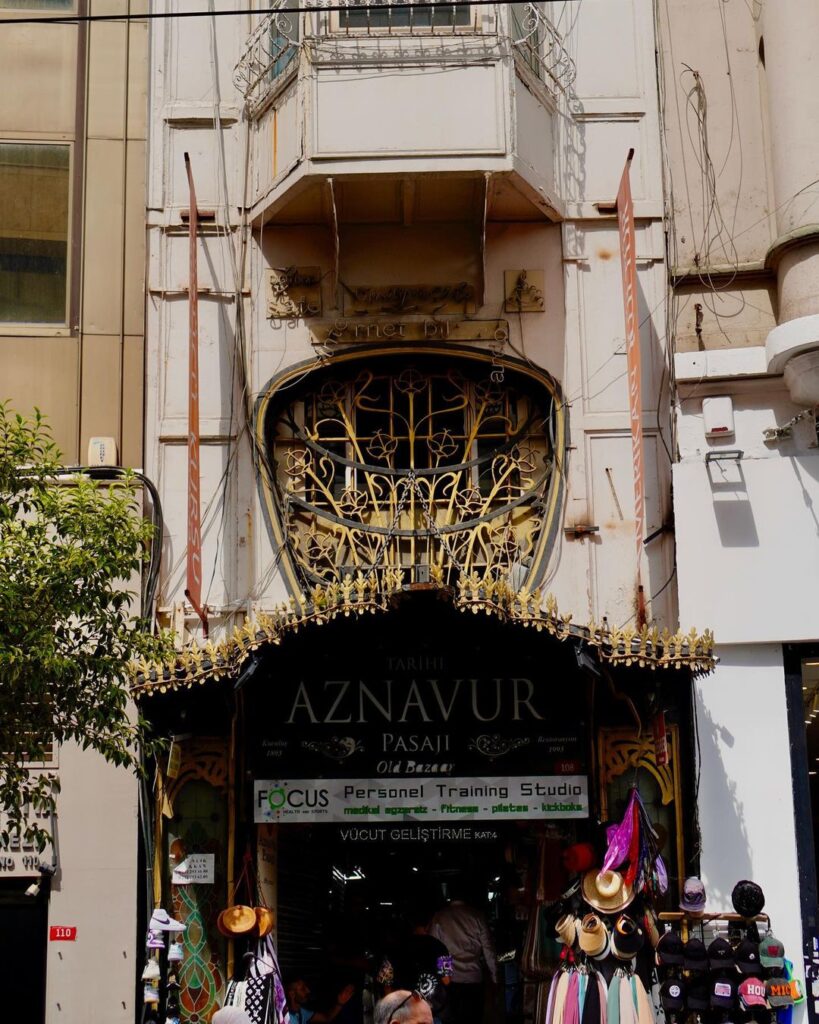
Completed in 1893 by the Aznavur family, this nine-storey building shows Italian influences and once drew writers and intellectuals. Today it houses jewelry, hat, toy, and bag shops, together with cafés and billiards rooms. It stands directly opposite Galatasaray High School.
Aznavur Passage location
European Passage (Avrupa Pasajı)
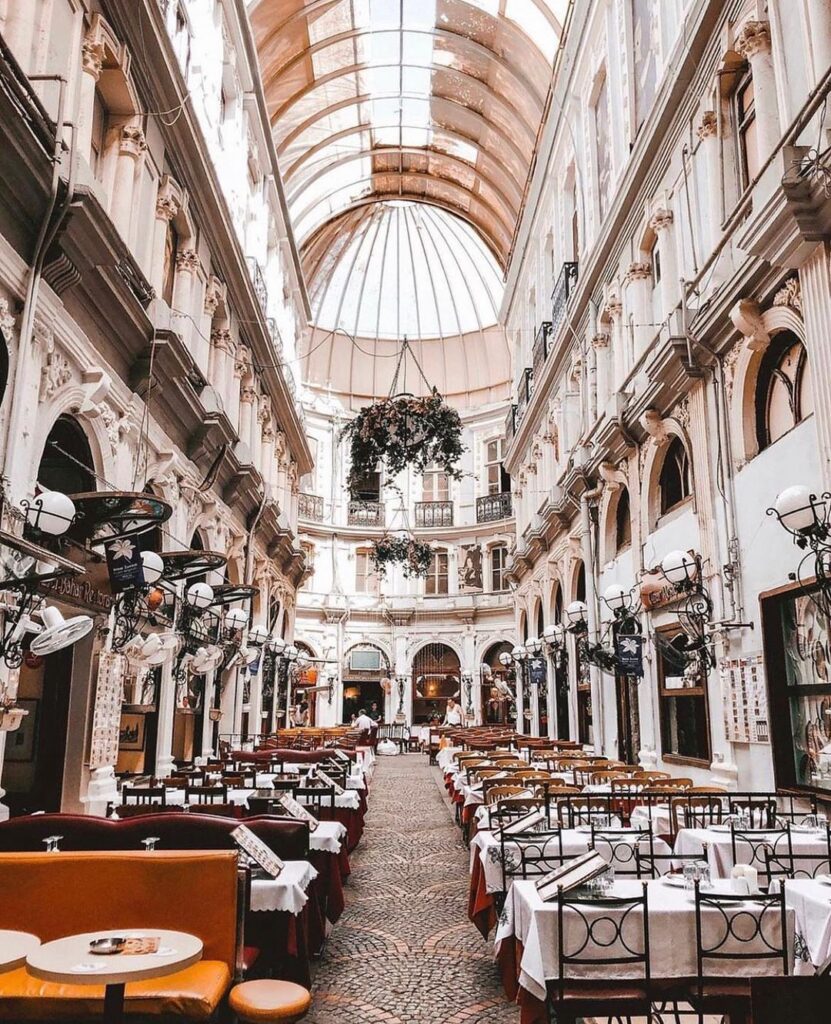
Many visitors miss this arcade because its entrance is reached through the Beyoğlu Fish Market. After the 1870 fire, reconstruction began, and in 1874 Austrian architect Domenico Pulgher opened this Renaissance-style, 56-meter passage with 22 shops. Note the stone sculptures above the storefronts. The passage links the Fish Market to Meşrutiyet Street.
Avrupa Passage location
Flower Passage (Çiçek Pasajı)
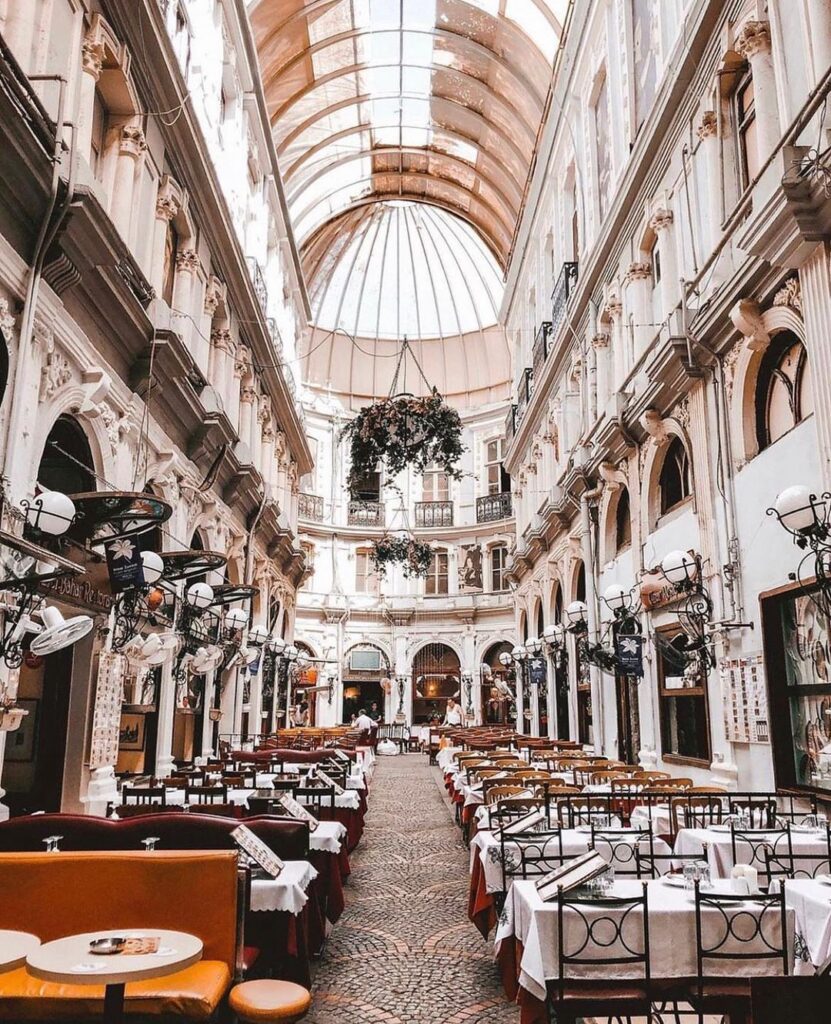
Çiçek Pasajı is the best-known of Beyoğlu’s passages, though it functions today primarily as a row of traditional restaurants and taverns. It is an atmospheric place for a meal before or after shopping in the nearby streets.
Çiçek Pasajı location
Beyoğlu Fish Market
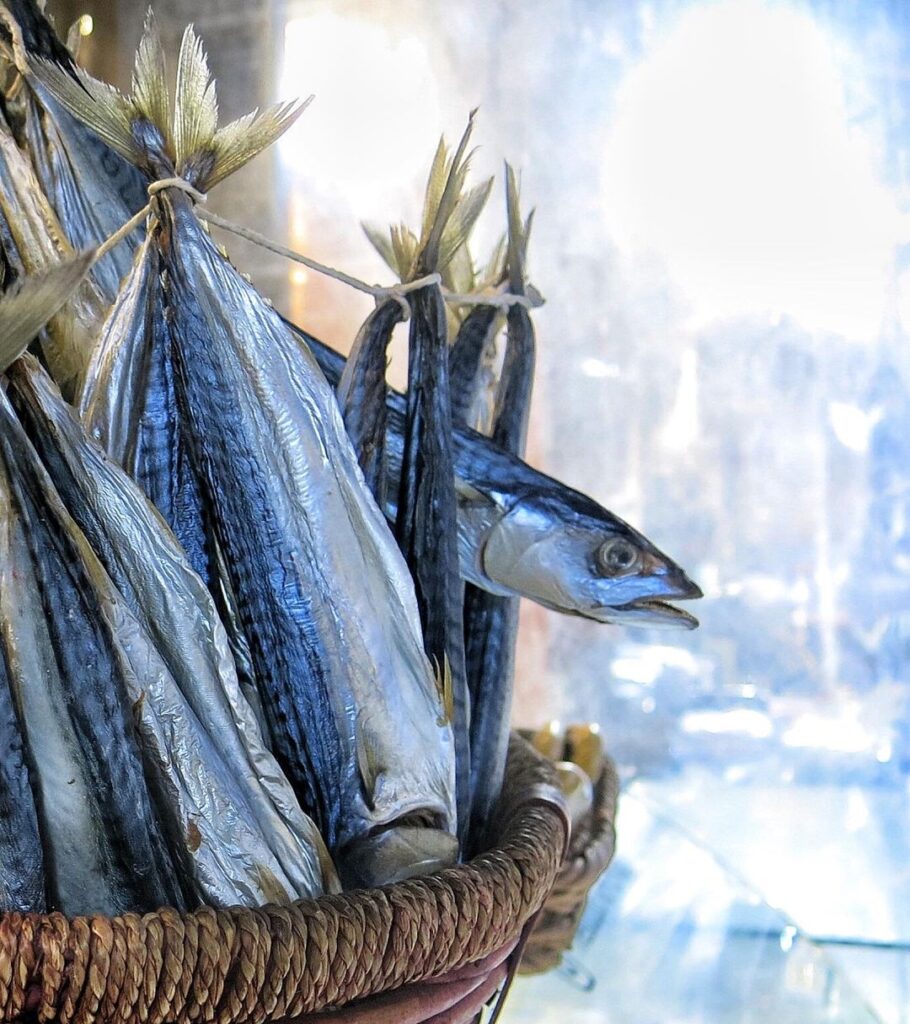
Close to Çiçek Pasajı, the Beyoğlu Fish Market preserves the neighborhood’s nostalgic character in a compact area. Visit Üç Yıldız Şekerleme, one of the district’s oldest confectioners, for a classic taste of Istanbul.
Beyoğlu Fish Market location
Beyoğlu Business Center (Beyoğlu İş Merkezi)

This passage opens into a network of corridors with more than 200 shops, many focused on surplus export goods. It is a practical stop for clothing, lingerie, accessories, bags, and shoes at competitive prices. Bring a spare bag if you plan to browse deeply.
Beyoğlu İş Merkezi location
Terkoz Çıkmazı
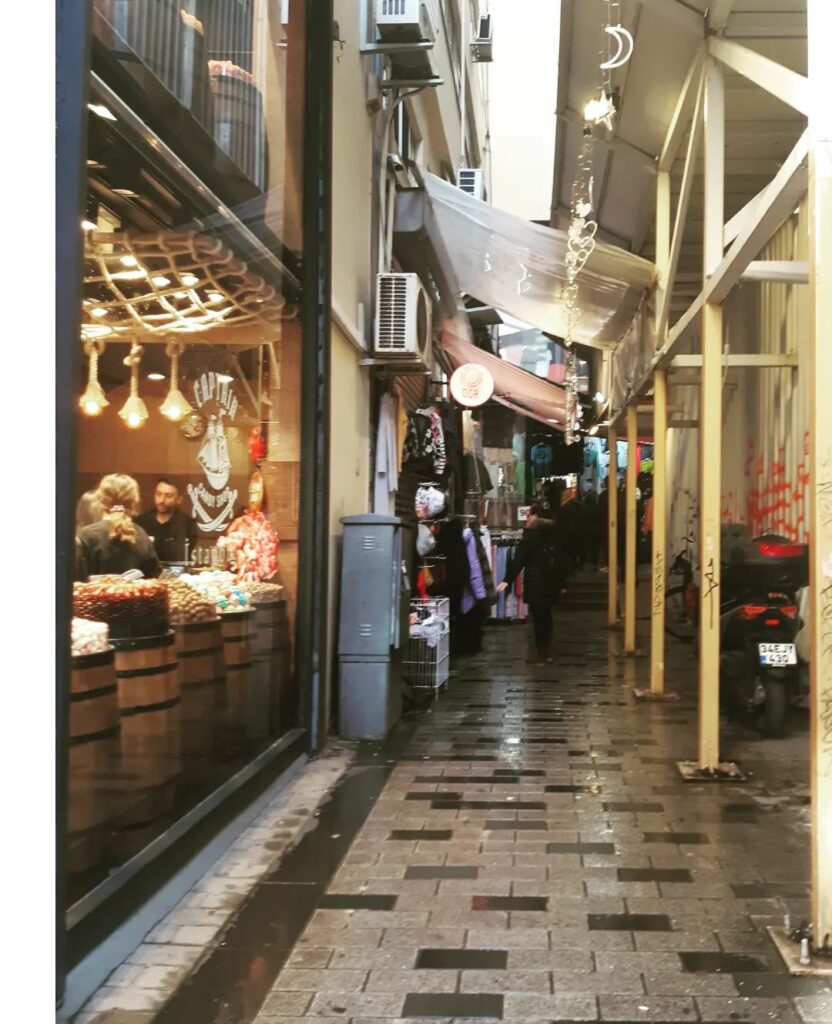
On the right as you head toward Tünel, Terkoz Çıkmazı functions like a permanent street market. Shops and stalls sell everything from denim to basics, and the 1882 D’Andria (Terkos) Passage gives the lane its familiar nickname. It is a good place for low-cost T-shirts and dresses.
Terkoz Çıkmazı location
2. Galata

Galata has developed rapidly in recent years. Design-focused souvenir stores and concept shops now surround the Galata Tower, offering thoughtful gifts and well-made pieces in a compact area.
Galata location
Galip Dede Caddesi

Running from Tünel to the tower, this slope gathers musical instrument shops used by amateurs and professionals alike. Tourism has added higher-quality souvenir stores to the mix, producing a colorful and engaging street scene.
Galip Dede Caddesi location
Serdar-ı Ekrem Caddesi
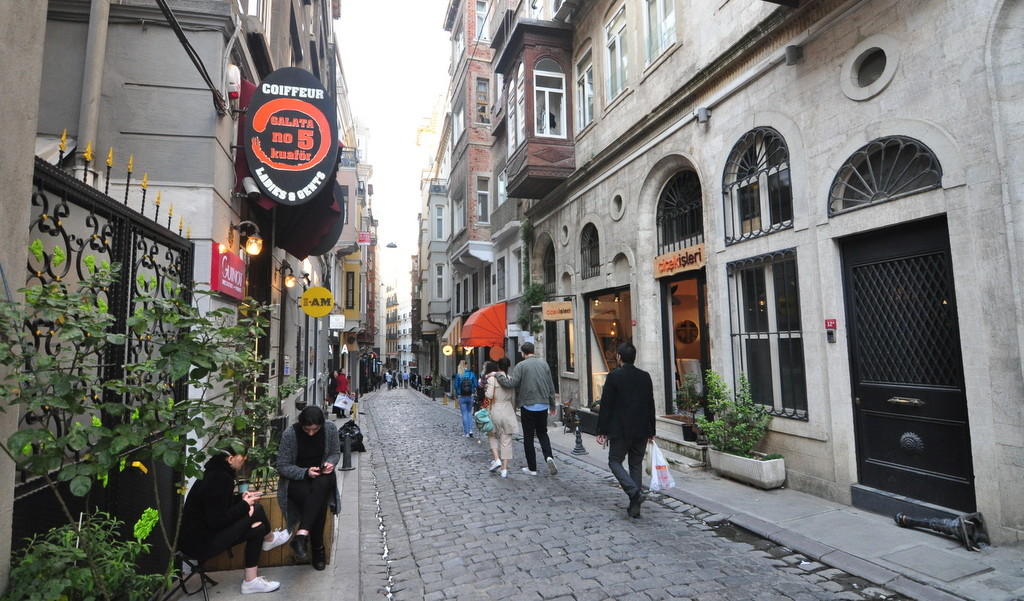
Climbing from the tower toward Cihangir, Serdar-ı Ekrem features small studios and boutiques with carefully designed everyday items. Excellent cafés along the street make it an enjoyable place to pause between shops.
Serdar-ı Ekrem Caddesi location
Büyük Hendek Caddesi
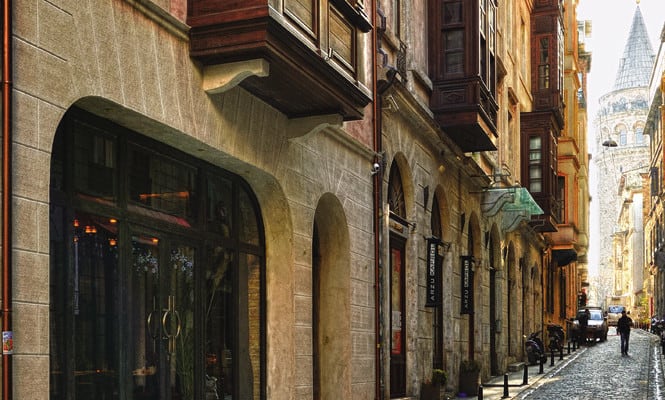
Following an Ottoman tradition of grouping similar trades, Büyük Hendek concentrates lighting stores near the Galata Tower. It is a focused area for lamps and fixtures.
Büyük Hendek Caddesi location
3. Çukurcuma

Çukurcuma combines literary heritage with vintage character. Beyond Orhan Pamuk’s Museum of Innocence, the area is known for antique shops and photography-friendly streets. Pair a walk here with neighboring Cihangir, and consider ending on Cezayir Street for an evening of music and dining.
Çukurcuma location
4. Karaköy
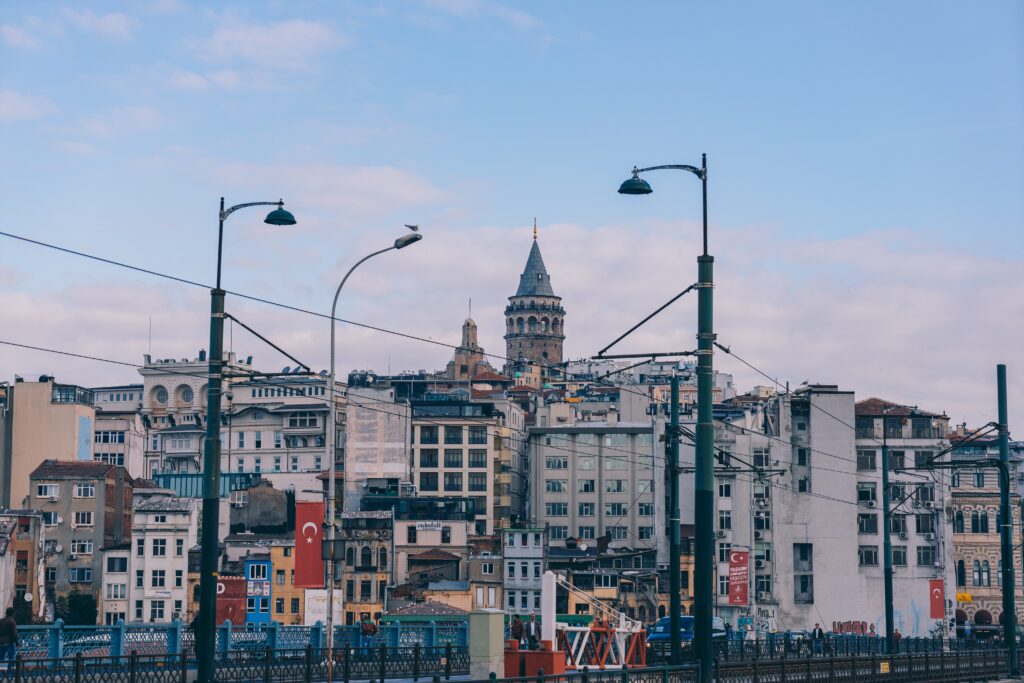
Karaköy has served as a port since Byzantine times. During the late Ottoman period, trade flourished and handsome commercial buildings appeared, including Minerva Han. Today, outdoor and hardware stores are prominent, with winter gear on Tersane Street and dive equipment along Kemeraltı toward Kabataş.
Karaköy location
5. Nişantaşı

This fashionable district centers on Abdi İpekçi Street and Mim Kemal Öke Street. International luxury labels line the main avenues, while side streets offer designer boutiques and contemporary eveningwear. Abdi İpekçi alone features more than fifty high-end stores between Maçka and Nişantaşı.
Nişantaşı location
6. Eminönü
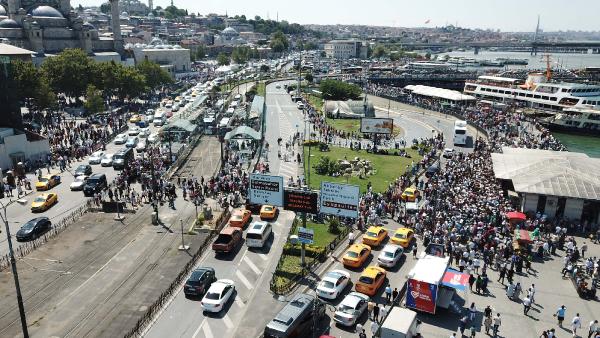
The busiest shopping routes here lie between the Spice Bazaar and the Grand Bazaar. On weekends, Uzunçarşı Street and Mahmutpaşa Hill can become very crowded, especially in peak seasons.
Eminönü location
The Egyptian Bazaar – Spice Bazaar (Mısır Çarşısı)
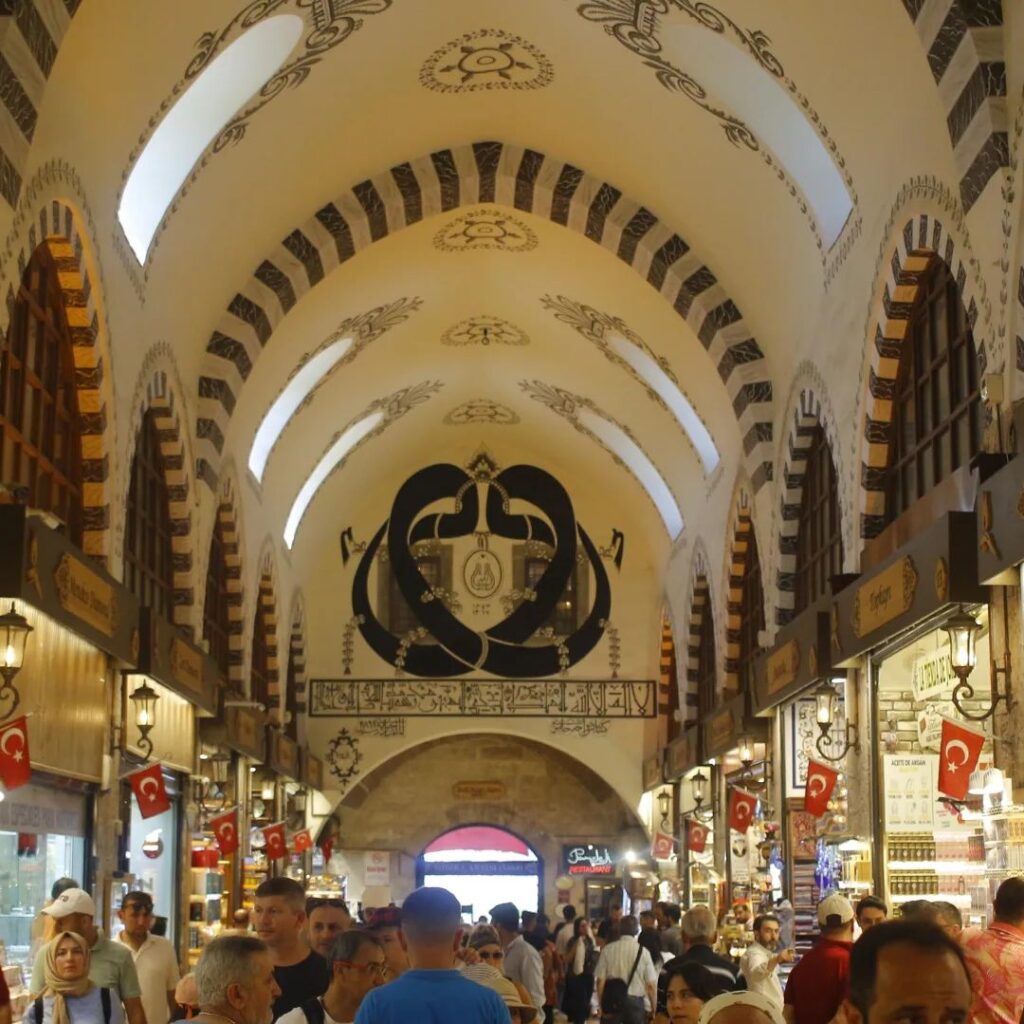
For centuries, silks from China and spices from India reached Istanbul via Egypt and then moved on to Europe with Venetian and Genoese merchants. Today, this history is tangible at the Spice Bazaar beside the New Mosque. It is particularly lively on weekends.
Uzunçarşı Caddesi

Rising from the waterfront toward the Grand Bazaar, Uzunçarşı brings together workshops, retail spaces, and many places to eat. It offers a traditional atmosphere, though prices may be lower elsewhere for similar items.
Uzunçarşı Street location
Mahmutpaşa Yokuşu

From the Grand Bazaar’s Mahmutpaşa Gate down to Eminönü’s back streets, this slope is a traditional destination for engagement and wedding shopping. Expect a broad range—children’s clothing, shirts, and lingerie—at notably modest prices.
Mahmutpaşa Yokuşu location
7. Sirkeci
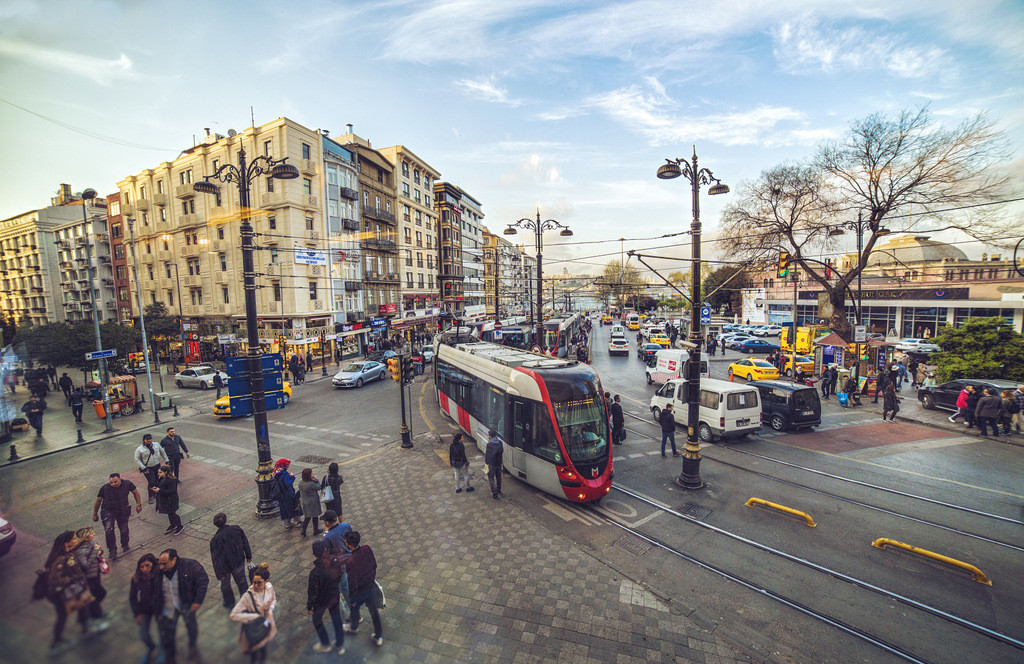
Sirkeci is a central address for technology purchases. Many camera, lens, and electronics shops concentrate here, making price comparisons straightforward.
Sirkeci location
Doğubank

A long-standing marketplace for mobile phones and consumer electronics, where it is common to trade in an old device toward a new purchase. Allow time to compare options across multiple sellers.
Doğubank location
Hayyam Pasajı
Adjacent to the tram stop, Hayyam Passage assembles specialist photography stores. It is a practical place to handle camera bodies and lenses in person and to compare prices across several retailers.
Hayyam Pasajı location
8. Sultanahmet
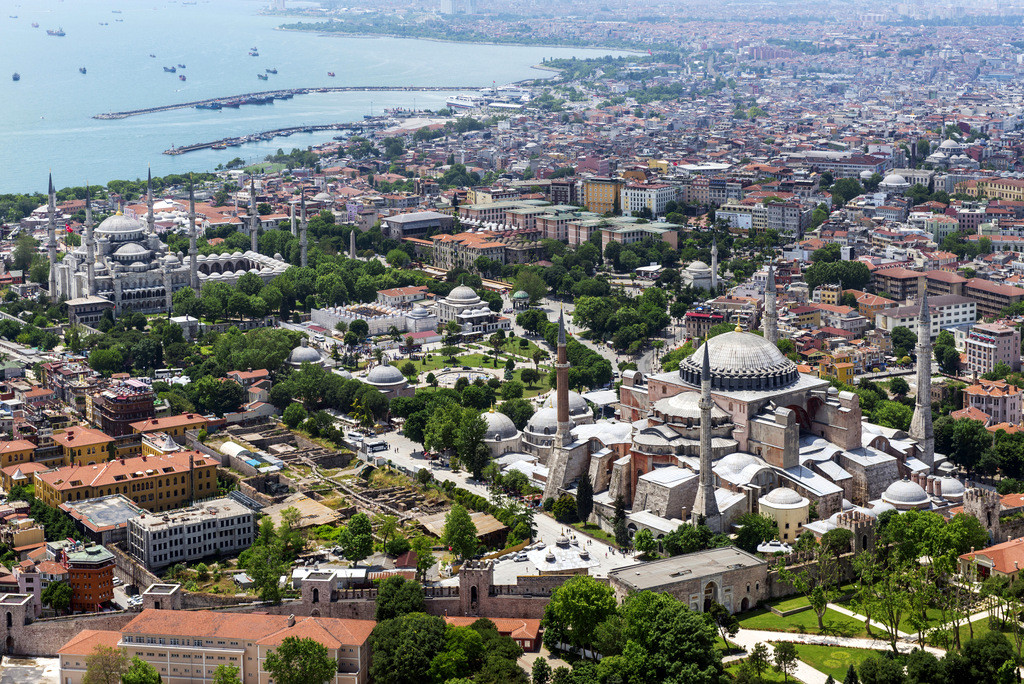
Sultanahmet has long been both a landmark district and a commercial hub. Historically, the surrounding neighborhoods—Beyazıt, Eminönü, and Unkapanı—hosted many of the city’s key markets, and that legacy remains visible.
Sultanahmet location
Arasta Bazaar

In the Ottoman period, many mosque complexes included an arasta—a small bazaar whose rents supported upkeep. The Sultanahmet Mosque’s arasta dates to the 17th century and today shares the site with the Great Palace Mosaics Museum. Shops such as Jennifer’s Hamam are widely featured in international travel media.
Nuru Osmaniye Caddesi

Connecting Sultanahmet with the Grand Bazaar, this street becomes especially active in spring. Carpet and jewelry shops predominate, accompanied by cafés and offices. Prices trend higher, but the setting and people-watching are appealing.
Nuru Osmaniye Street location
Grand Bazaar (Kapalıçarşı)

One of the world’s largest covered markets, the Grand Bazaar spans 67 streets and more than 3,000 shops, assembled over centuries. Nuruosmaniye Gate (Gate 1) is the principal entrance; Beyazıt Gate (Gate 7) is another key access point. The main axis between them is Kalpakçılar Caddesi, which helps with orientation.
Grand Bazaar location
9. Balat
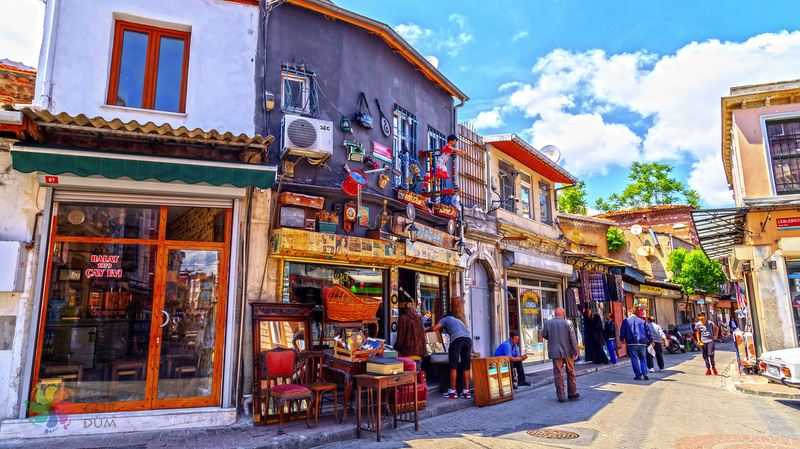
Balat has become a popular district for relaxed shopping and photography. One of the best routes links Fener and Balat along Vodina Street, where retro shops and cafés sit side by side.
Inside the bazaar area, small auctions sometimes appear, offering antique pieces at accessible prices and drawing lively crowds into the street.
Balat location
10. Kadıköy

Kadıköy on the Asian side offers a complete shopping circuit, extending from the waterfront and fish market through Bahariye Street toward Bağdat Street.
Visitors often note the atmosphere of the Kadıköy Fish Market, where neighborhood traditions, specialty food shops, and modern cafés coexist.
The wider Kadıköy Bazaar includes classic dessert makers such as Tatlıcı Erol, Baylan, and Ali Muhiddin Hacıbekir. Weekends bring a lively scene around beer halls, coffee shops, and seafood restaurants, together with second-hand clothing and souvenir stores on the way to the Tuesday Market and Moda.
Consider adding the cultural centers, the cafés and bars on Kadife Street, and the historic Rexx Cinema to your plan.
Kadıköy location
Tellalzade Street (Tellalzade Sokak)
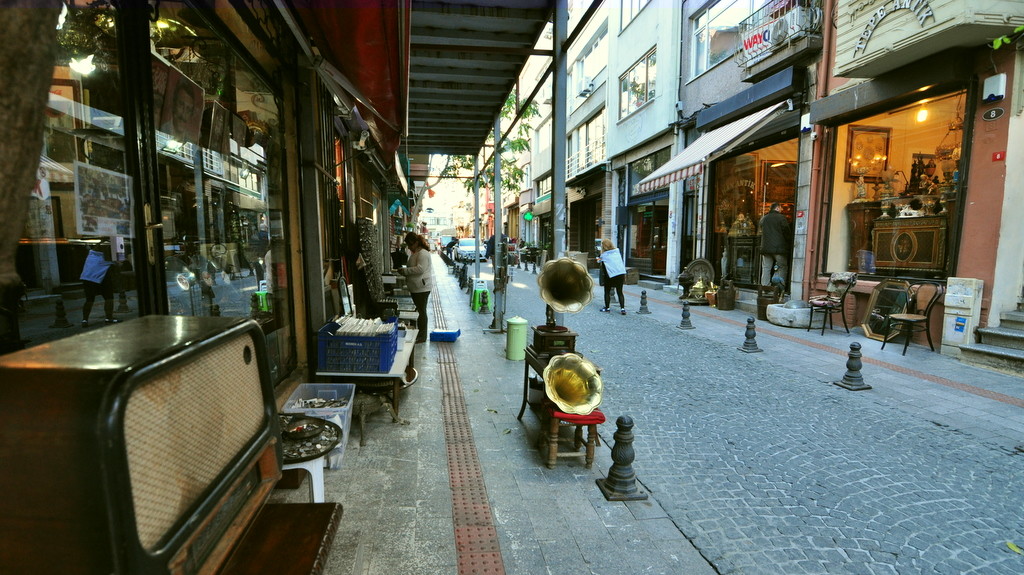
Tellalzade, positioned between Kadıköy and Moda, concentrates antique dealers along a short, walkable stretch. It is the main address for antiques on the Asian side, comparable to Horhor and Çukurcuma on the European side.
Tellalzade Sk. location
Çilek Sokak (Eski Salı Pazarı)
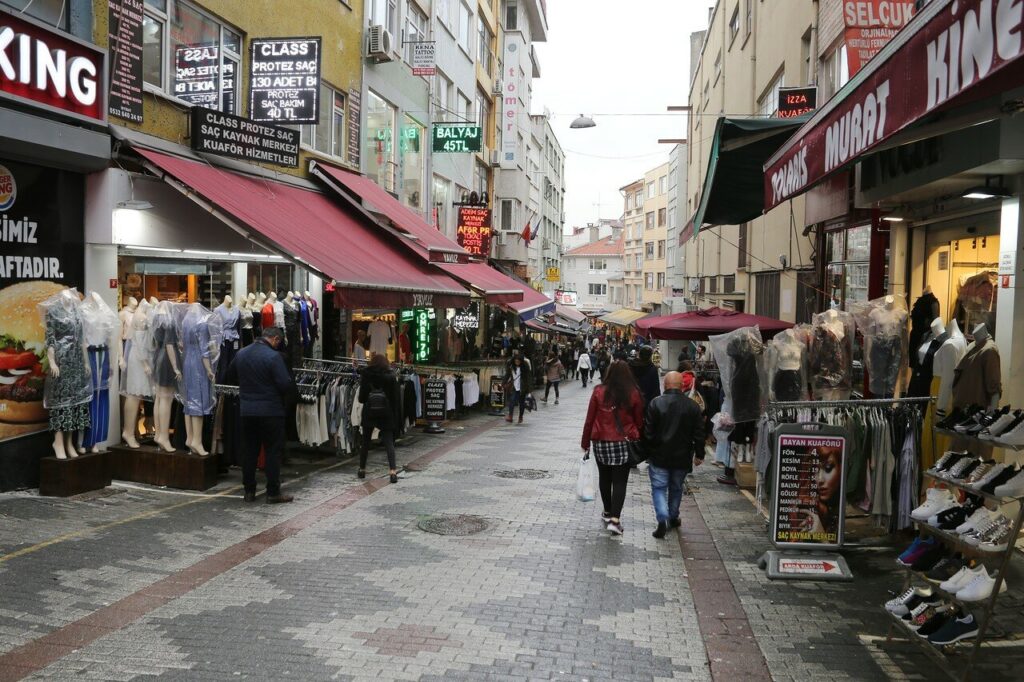
Formerly the site of the Tuesday Market, Çilek Sokak is now a busy retail street. Begin by Altıyol’s Bull statue at the long-running hat shop, then continue past beauty supply stores, footwear outlets, and current fashion boutiques. Weekend foot traffic is high.
Çilek Sokak location
Bahariye Caddesi
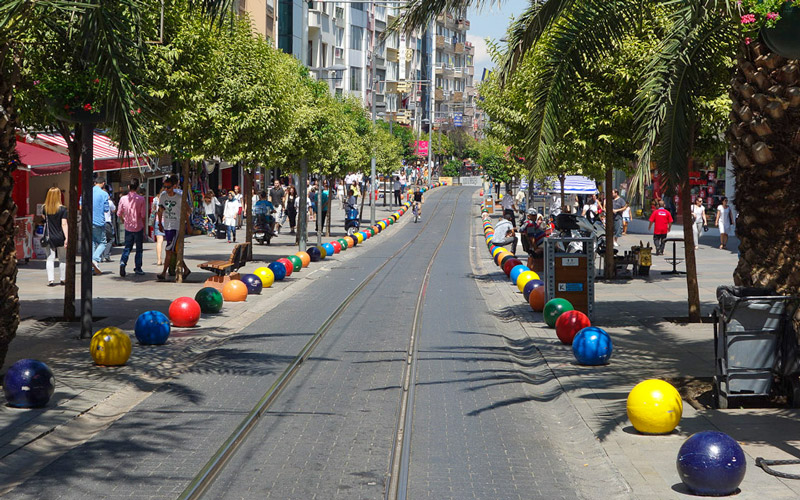
Bahariye Street is Kadıköy’s main promenade. The nostalgic tram runs the length of the avenue toward Moda, and landmarks such as the Süreyya Opera House provide a refined setting. For value shopping, Opera Onur Çarşısı offers contemporary styles inspired by high-end designs.
Bahariye Caddesi location
Bağdat Street (Bağdat Caddesi)

Bağdat Caddesi extends for approximately 7 km and continues to be a key destination for luxury brands, cafés, and leafy pavements. From Bostancı through Şaşkınbakkal, Caddebostan, Göztepe, and Selamiçeşme you will find parks, family-run boutiques, bridal and eveningwear salons, and fitness studios above street-level retail. Plan ample time if you intend to explore the full stretch.
Bağdat Caddesi location
| Planning to shop in Istanbul? Start with these guides: ➡️What to buy in Istanbul — the standout souvenirs, local specialties, and under-the-radar finds to look for. ➡️What to buy in Turkey — the best gifts and keepsakes, from edible treats to timeless crafts. ➡️Coolest gift shops in Istanbul– the best places to shop — from polished, practical finds to quirky little treasures with actual personality. ➡️Best malls in Istanbul — where to go for luxury brands, modern shopping, and all-weather retail therapy. ➡️Where to go cheap shopping in Istanbul — budget-friendly areas for deals, treasure hunts, and lower-key local shopping. |
FAQs: Shopping in Istanbul: Best Streets & Historic Passages
What are the best shopping streets in Istanbul?
Istiklal Avenue, Bağdat Street, Nişantaşı (Abdi İpekçi Street), and Sultanahmet-area streets for souvenirs.
Which historic passages should I visit for shopping?
The Grand Bazaar (Kapalıçarşı), Spice Bazaar (Mısır Çarşısı), Çiçek Pasajı (Flower Passage), and passages around Sirkeci and Çukurcuma.
What can I buy in Istanbul’s bazaars and passages?
Carpets and kilims, spices, Turkish delight, ceramics, textiles, antiques, leather goods, jewelry, and handmade souvenirs.
Are prices negotiable in Istanbul markets?
Yes — haggling is common in bazaars and small shops. Start lower than the asking price and negotiate politely.
What are typical opening hours?
Main streets and modern shops: roughly 09:30–19:30. Bazaars: often 09:00–19:00, with variations on Sundays. Check specific shop hours.
Is it safe to shop in Istanbul?
Yes — most shopping areas are safe for tourists. Take usual precautions against pickpocketing in crowded places and secure valuables.
How do I get to the major shopping streets and bazaars?
Use tram, metro, ferries, or taxis. Istiklal Avenue via Taksim/Karaköy; Grand Bazaar via Beyazıt/Çemberlitaş tram stops; Bağdat Street via Marmaray/Kadıköy or M4 metro.
Can I use credit cards everywhere?
Most modern shops and malls accept cards. Small stalls and some bazaar vendors may prefer cash (Turkish lira). Carry cash for bargaining.
Are there tax refunds for tourists?
Turkey offers VAT refunds for qualifying purchases at participating shops. Request a tax-free form at purchase and claim the refund at the airport with receipts and goods.
Best time of year to shop in Istanbul?
Spring (April–June) and autumn (September–November) offer pleasant weather and fewer crowds; major sales occur after New Year and during seasonal sale periods.
- What to Wear in a Turkish Bath (2026): Ultimate Hammam Dress Code & Massage Etiquette
- 2026 Turkey Travel Tips: Useful Things to Know From A Local
- 2026 Turkey Packing List: Essential Travel Items and Tips
- Where To Stay In Bodrum (2026): Best Neighborhood & Top Hotel Picks
- 22 Top Turkish Cosmetics Brands (2026 Edition)